
Let’s look more closely at each one.

Peppermint Tea
Peppermint tea is probably the first drink many people think of when looking for a tea for digestion after eating.
Its clean, cooling flavour makes it especially refreshing after rich, spicy or heavy food. Unlike black tea or green tea, pure peppermint tea is naturally caffeine-free, so it can also be enjoyed after an evening meal.
Peppermint also has a long history of traditional use for digestive complaints. Modern research has investigated peppermint extensively, although much of the clinical research relates to peppermint oil rather than ordinary peppermint tea. NCCIH notes evidence that enteric-coated peppermint oil may help some IBS symptoms in the short term, while evidence for herbal products more generally remains limited.
That distinction is important: a cup of peppermint tea should be enjoyed as a beverage and traditional herbal infusion, not treated as a medicine.
What does peppermint tea taste like?
Peppermint has:
- a cooling sensation
- a naturally fresh aroma
- a clean herbal flavour
- very little natural sweetness
- no caffeine when made purely from peppermint leaves
That refreshing character makes it a particularly good choice after a substantial lunch or dinner.
Try this peppermint tea
Our Organic Peppermint Tea – Refreshing Herbal Infusion contains organic peppermint in convenient tea bags and is naturally caffeine-free.
It is an easy choice when you want a simple cup of mint tea after eating without preparing a loose-leaf blend.
Best for: A fresh, cooling tea after a rich meal.

Ginger Tea
If peppermint is cooling, ginger tea is its warming counterpart.
Ginger has been used in food and traditional herbal preparations for centuries. Its distinctive spicy flavour works particularly well after heavier meals and makes a satisfying alternative to coffee or sweet desserts.
Ginger has also been widely studied, especially in relation to nausea. NCCIH notes that ginger has traditionally been used for indigestion and gastrointestinal discomfort, although research varies depending on the preparation and condition being studied.
Recent European Medicines Agency assessment material also documents traditional medicinal use of ginger preparations for mild spasmodic gastrointestinal complaints including bloating and flatulence. This refers to specific herbal medicinal preparations and doses rather than proving that any cup of ginger tea will have the same effect.
Why drink ginger tea after meals?
Quite simply, it tastes good after food.
The natural warmth of ginger pairs particularly well with:
- curries
- grilled food
- roasted vegetables
- rich sauces
- winter meals
- spicy dishes
- large weekend lunches
Ginger tea is generally caffeine-free when made only with ginger and other caffeine-free herbs.
Try this ginger tea
For a simple ingredient-focused infusion, try our Organic Ginger Root Infusion 50g.
It has a naturally spicy, warming character and can be enjoyed on its own or combined with lemon, mint or a little honey.
For something more complex, the Provence d’Antan Organic Apple, Ginger & Fennel Infusion combines ginger with two other ingredients that work beautifully in an after-meal tea: sweet apple and aromatic fennel.
Best for: People who prefer warm, spicy herbal tea rather than mint.

Fennel Tea
Fennel is one of the most interesting ingredients to explore if you are looking for herbal tea for bloating or an after-dinner tea.
Fennel seeds have a naturally sweet, aromatic flavour reminiscent of anise or liquorice. Because the flavour has a slight sweetness of its own, fennel tea can also be satisfying when you want something after dinner without reaching for a sugary drink.
Fennel has a particularly long history in European herbal traditions. The European Medicines Agency recognizes the traditional use of sweet fennel fruit herbal medicines for mild spasmodic gastrointestinal complaints including bloating and flatulence.
Again, this traditional medicinal recognition relates to defined herbal preparations rather than meaning that ordinary fennel tea should be considered a treatment.
What does fennel tea taste like?
Expect a flavour that is:
- gently sweet
- warming
- aromatic
- slightly liquorice-like
- softer than strong peppermint or ginger
Fennel is also excellent in blends because it combines well with mint, apple, ginger, lemon balm, cinnamon and anise.
Try a fennel tea blend
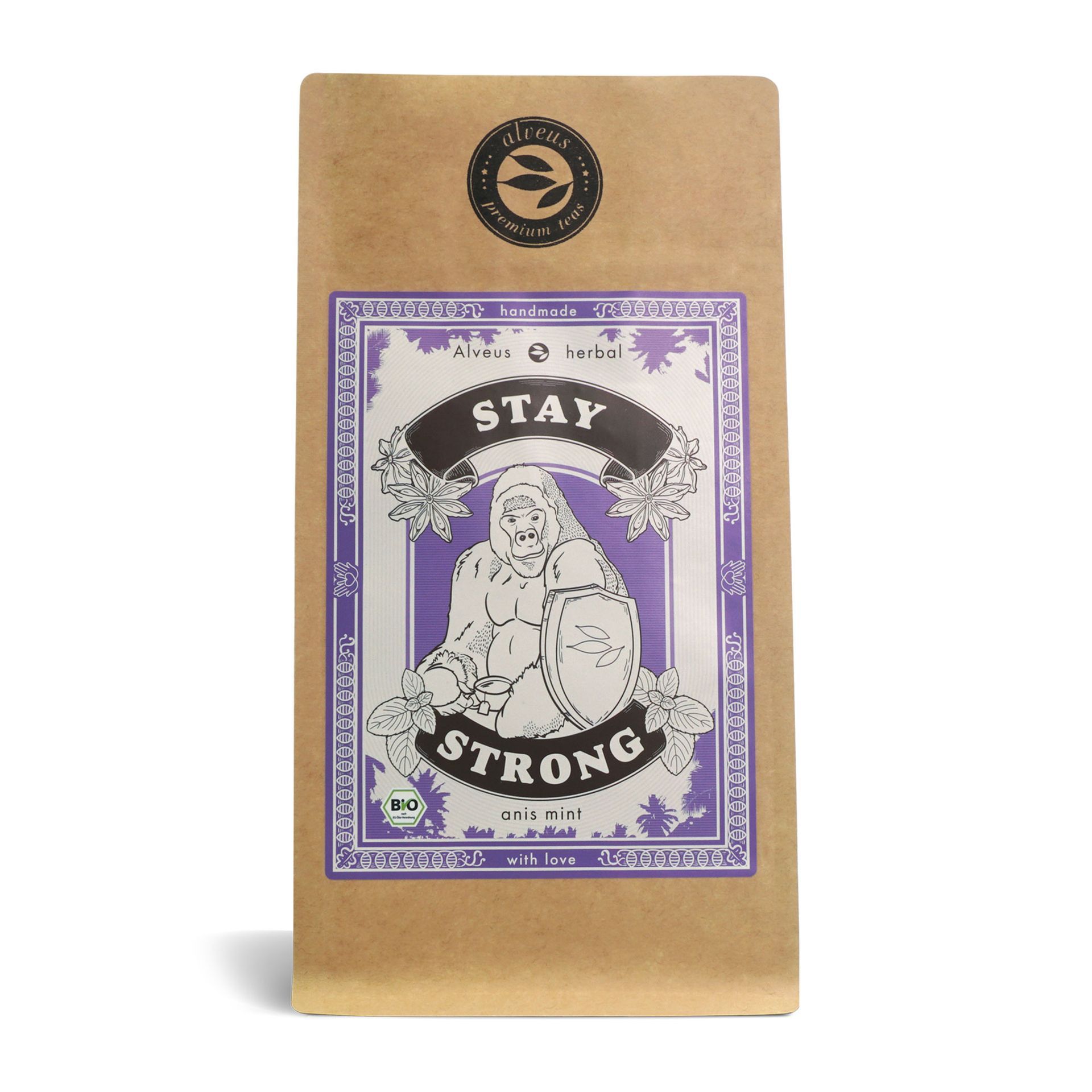
Our Stay Strong Organic Herbal Tea – Anise, Fennel, Apple & Mint combines several classic after-meal flavours in a single loose-leaf infusion.
You can also try the Organic Apple, Ginger & Fennel Infusion if you prefer the warmth of ginger alongside fennel.
Best for: A naturally sweet, caffeine-free tea after lunch or dinner.

Lemon Balm Tea
Lemon balm may sound strongly citrusy, but its flavour is generally much softer than lemon juice or lemon peel.
The herb has a light lemon-like aroma accompanied by a rounded herbal character. It works particularly well in blends designed for evening drinking.
Lemon balm also has a long history of traditional European herbal use. EMA documentation recognizes traditional lemon balm preparations for mild digestive disorders including bloating and flatulence.
Because lemon balm is naturally caffeine-free, it is particularly suitable when you’re searching for a tea to drink after dinner without introducing caffeine late in the day.
Lemon balm and the evening tea ritual
One of the advantages of lemon balm is versatility.
Peppermint can taste intensely fresh. Ginger can be fiery. Fennel has a distinctive anise flavour.
Lemon balm is softer.
That makes it a good choice if you want a gentle tea to slowly sip after dinner while reading, watching a film or winding down for the evening.
Our recommended lemon balm blend
Try the PROVENCE D’ANTAN Organic Lemon Digestion Herbal Tea.
The blend combines organic lemon balm and lemon verbena with additional botanical ingredients to create a light, refreshing herbal infusion.
For readers arriving at this guide specifically looking for an easy after-meal herbal tea, this would be our first recommendation.
Best for: A gentle, refreshing caffeine-free tea after dinner.

Lemon Verbena Tea
Lemon verbena is another excellent option for anyone who likes refreshing citrus flavours.
Unlike a fruit tea made with actual lemon, lemon verbena is a herb. Its leaves produce a fragrant cup with a clean lemon aroma and a lighter, more botanical character.
Lemon verbena also has a history of traditional use for digestive complaints. EMA’s herbal assessment recognizes traditional preparations of lemon verbena leaf for mild gastrointestinal complaints including bloating and flatulence.
Lemon verbena vs lemon balm
The names sound similar, but they are different plants.
Lemon balm tends to be softer, greener and more herbal.
Lemon verbena usually has a brighter, clearer lemon aroma.
They also work extremely well together, which is why you will often find both in herbal blends.
Try them together
The PROVENCE D’ANTAN Organic Lemon Digestion Herbal Tea brings lemon balm and lemon verbena together in one convenient infusion.
If you want to explore lemon verbena on its own, you can also try our Organic Lemon Verbena Herbal Infusion 50g.
Best for: Anyone who enjoys fresh lemon flavours but wants a caffeine-free herbal infusion.

Chamomile Tea
Chamomile is best known as an evening and relaxation tea, but it also has a long association with traditional herbal use after food.
Its soft floral flavour makes it very different from peppermint, ginger or fennel. If you dislike intense mint or spicy tea, chamomile can provide a much gentler alternative.
European herbal assessment material records traditional oral use of chamomile preparations for mild gastrointestinal complaints associated with minor spasms, bloating and flatulence.
Chamomile remains best thought of as a pleasant herbal drink rather than a treatment for persistent digestive symptoms.
Why chamomile works well after dinner
Chamomile is:
- naturally caffeine-free
- mild in flavour
- floral rather than spicy
- easy to combine with lemon verbena and other herbs
- particularly suited to the evening
If your ideal after-dinner tea is something gentle that transitions naturally into your evening routine, chamomile is difficult to beat.
Try this chamomile blend
Our Provence d’Antan Organic Serenity Herbal Tea – Chamomile & Verbena combines organic chamomile with lemon verbena, elderflower, lavender and rose.
For a different format, you can also discover our Chamomile Tea-Pop Instant Herbal Tea.
Best for: A gentle evening tea after dinner.

Anise Tea
Anise is another traditional after-meal herb worth knowing.
It has a sweet, highly aromatic flavour that resembles liquorice. If you enjoy fennel, there is a good chance you will enjoy anise too.
Aniseed preparations have also been recognized by the European Medicines Agency for traditional use in mild indigestion complaints including bloating and flatulence.
Anise and fennel make a natural combination
Because their flavours are related but not identical, anise and fennel are often combined.
Add mint and you get an especially refreshing herbal profile after food.
That is exactly the combination found in our Stay Strong Organic Herbal Tea – Anise, Fennel, Apple & Mint.
Apple brings gentle fruitiness, while mint makes the finish fresher.
Best for: Fans of fennel, liquorice-like flavours and aromatic herbal blends.
Which Tea Is Best for Digestion After a Meal?
If you are struggling to choose, use flavour as your starting point.


Best Overall After-Meal Tea Blend
You don’t necessarily need to choose a tea containing only one herb.
In fact, some of the most enjoyable after-meal teas combine complementary ingredients such as fennel, mint, ginger, anise, lemon balm and lemon verbena.
For an easy everyday option, our pick is:


When Should You Drink Tea for Digestion?
There is no strict rule saying that herbal tea must be consumed at a particular time.
For an after-meal ritual, a practical approach is simply to prepare a cup after you have finished eating and enjoy it slowly.
The best time can also depend on the tea.
After breakfast
Ginger or peppermint can provide a fresh start without needing another coffee.
After lunch
Peppermint, fennel and ginger are all excellent choices, particularly after a substantial meal.
After dinner
Choose caffeine-free teas such as:
- peppermint
- fennel
- ginger
- chamomile
- lemon balm
- lemon verbena
- anise
- rooibos
If you are sensitive to caffeine, herbal tea is generally a better evening choice than black, green, white or yerba mate tea.
Browse our Herbal Tea collection for more naturally caffeine-free options.
Hot or Cold: Which Is Better After Meals?
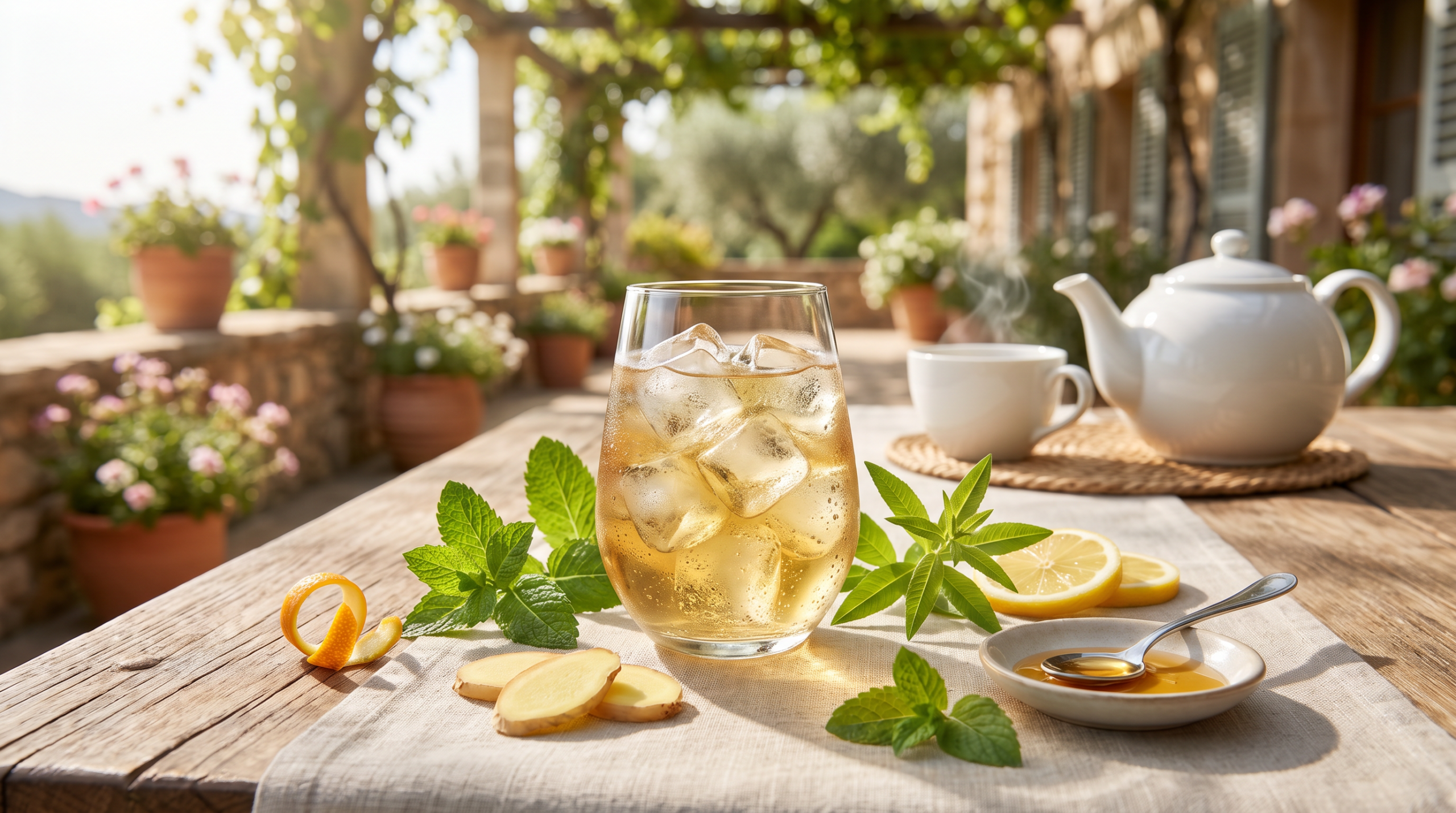
Most people associate digestive herbal teas with a warm cup, but there is no reason you cannot enjoy many of these herbs cold.
Peppermint, lemon verbena, lemon balm and ginger can all make refreshing chilled infusions.
In summer, brew the tea normally, allow it to cool and serve it over ice.
Avoid adding large amounts of sugar if your goal is a light drink after a heavy meal. Fresh lemon, orange peel, mint or a small amount of honey can add flavour instead.
If you enjoy cold tea, see our guide to How to Make Perfect Iced Tea at Home.

How to Make the Perfect After-Meal Herbal Tea
Always follow the preparation instructions for the tea you are using, particularly because ideal steeping times vary between ingredients.
As a general herbal-tea routine:
- Bring fresh water to the boil.
- Place your loose herbs or tea bag in a cup or teapot.
- Pour over the hot water.
- Cover the cup or teapot while steeping.
- Allow the herbs enough time to release their flavour.
- Remove the tea bag or strain the leaves.
- Sip slowly while the tea is comfortably warm.
Herbal teas are usually more forgiving than delicate green or white teas, so they can typically handle hotter water and longer steeping.
If you are new to loose-leaf tea, read our complete guide to How to Brew Loose Leaf Tea for more preparation tips.

Can You Combine Peppermint, Ginger and Fennel?
Yes. From a flavour perspective, these ingredients work particularly well together.
Ginger adds warmth.
Peppermint brings freshness.
Fennel contributes soft natural sweetness.
Anise, lemon balm and lemon verbena can also fit beautifully into an after-meal herbal blend.
If you don’t want to buy several separate herbs, a ready-made blend is the easiest solution.
Two good choices from Leaf & Spice are:

What Tea Is Best After a Heavy Meal?
For a heavy meal, many people prefer stronger, fresher flavours.
That makes peppermint, ginger and fennel particularly appealing.
After rich meat dishes, grilled foods or creamy sauces, peppermint provides a clean finish.
After spicy foods or winter dishes, ginger gives you a warming cup that continues the flavour of the meal.
Fennel sits somewhere between the two: aromatic and warm but also naturally sweet.
Our easiest choices are:

What Is the Best Caffeine-Free Tea After Dinner?
All seven main teas in this guide can be caffeine-free when made purely from the relevant herbs:
- peppermint
- ginger
- fennel
- lemon balm
- lemon verbena
- chamomile
- anise
That makes herbal tea particularly useful if you want a warm after-dinner drink but don’t want the caffeine found naturally in traditional tea leaves from Camellia sinensis.
For evening drinking, we particularly like:
For freshness: Peppermint
For warmth: Ginger
For gentle sweetness: Fennel
For a softer evening ritual: Chamomile
For light citrus flavour: Lemon balm and lemon verbena
You can explore more options in our Wellness Tea collection.