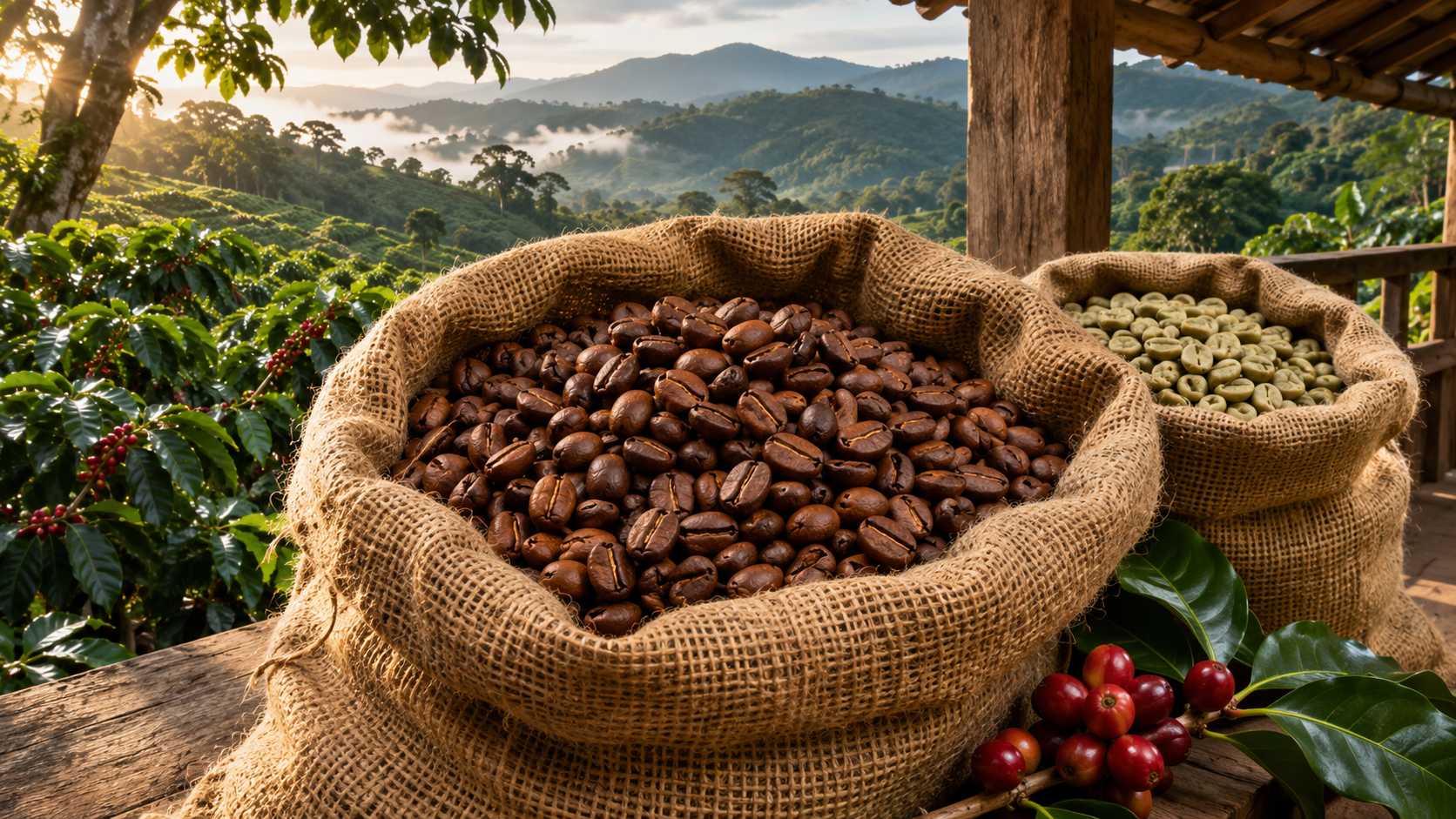
Coffee Origins Explained in 12 Cups
Open a bag of Brazil Santos and the aroma might remind you of a square of milk chocolate with hazelnuts. Open an Ethiopian Moka and you might think of jasmine tea. Both bags contain just ground Arabica coffee. So where does that difference come from?
We’ve picked 12 coffees from Les Torréfacteurs Normands, a roaster in Normandy, France, to explore that question. The beans come from 12 countries, and each bag gives you a particular coffee from that place. Follow the origins around the world, or start with a flavour you already know you love.
Which coffee origin suits your taste?
| If you like… | Start with… |
|---|---|
| Hazelnuts and milk chocolate | Brazil Santos |
| Caramel sweetness with a little lift | Colombian Excelso |
| A mellow cup with a woody finish | Mexico’s Chiapas Arabica |
| Citrus or blackberry | Burundi Kalico |
| Jasmine tea and delicate florals | Ethiopian Moka |
| Red fruit in a full-bodied cup | Sumatra Gayo Mountain |
Why does coffee taste different depending on where it grows?
The coffee bean starts life as a seed inside a cherry. The variety of the tree and the conditions on the farm affect how that cherry develops. On a cooler mountain slope, for example, cherries often ripen more slowly. After picking, a producer might dry the seeds inside the fruit (natural processing) or remove the skin, pulp and sticky coating before drying (washed processing). Two farms in the same country can produce very different coffees before the beans even reach the roaster.
Roasting adds another layer. Heat transforms compounds in the green beans, creating aromas we recognise as toasted nuts, bread crust or caramel. That’s why “grown in Colombia” and “roasted in Normandy” both tell you something about the same bag. For a closer look at the science, see this review of how growing and processing affect coffee flavour.
When comparing bags, look for three clues. Acidity is the brightness that makes you think of biting into a juicy apple. Body is how much weight the coffee seems to carry on your tongue. Finish is the flavour you can still pick out after you swallow. You might like a coffee that’s bright and full-bodied. Each word answers a different question.
South American coffee from Brazil, Colombia and Peru
If you enjoy chocolate notes, these three bags make a particularly good first comparison. The clue to telling them apart is what comes with the chocolate.
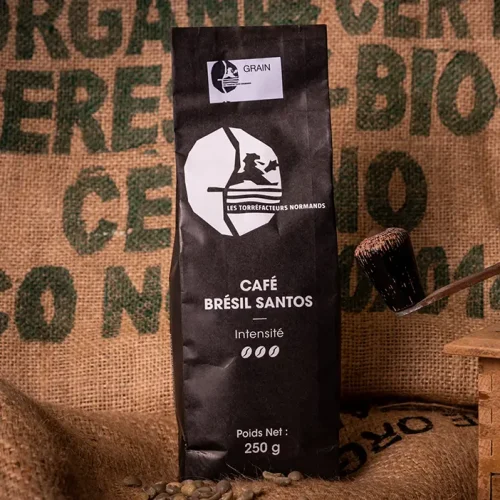
Brazil Santos brings hazelnut and milk chocolate
Think of the sweetness of the chocolate coating on a roasted hazelnut. That’s a good starting point for this mild Brazilian Arabica. Its low acidity makes it an easy breakfast choice, especially if you add milk. Taste a sip before and after adding a splash. Does the hazelnut still come through, or is it the milk chocolate you notice now?
Shop Brazil Santos ground coffee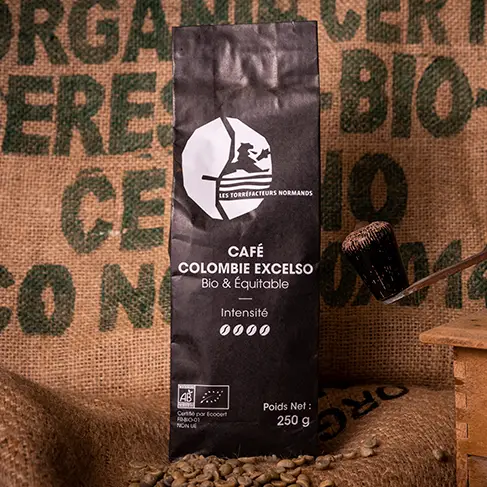
Colombian Excelso leans towards caramel
Beside Brazil Santos, this organic Colombian Excelso gives you a different kind of sweetness. Think caramel alongside chocolate, with a medium body and enough brightness to balance the two. Pick Colombia for someone who drinks their coffee black on weekdays and adds a splash of milk when there’s time for a second cup.
Shop organic Colombian ground coffee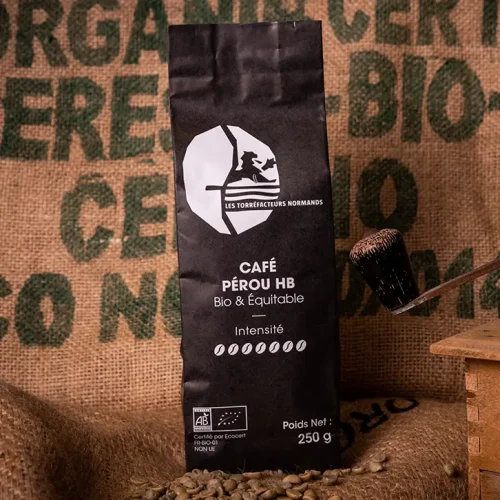
Peruvian Arabica adds a citrus finish
This washed Peruvian coffee is grown at around 1,000–1,500 metres and sun-dried. Chocolate and hazelnut give you familiar flavours to look for, then citrus brings some lift. Take a sip, put the cup down and see how long that citrus impression stays. It’s the bag we’d choose for someone torn between a chocolatey coffee and a fruity one.
Shop organic Peruvian ground coffeeMexico, Costa Rica and the Caribbean
A slice of chocolate cake, a bowl of citrus fruit and the smell of breakfast toast each suggest a different direction here. Mexico’s Chiapas, a Costa Rican Arabica and Cuba’s Serrano make those differences easy to explore.
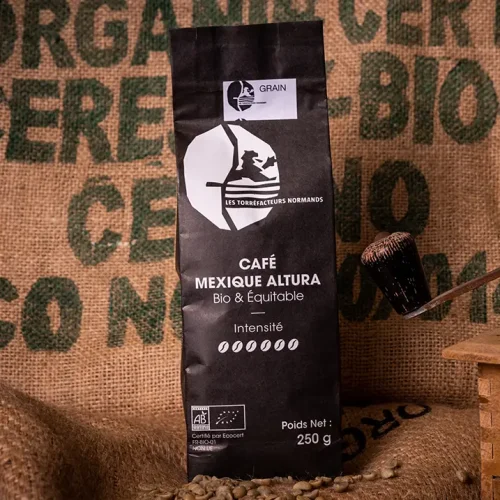
Mexico’s Chiapas coffee has a mellow, woody finish
This organic Altura coffee from Chiapas has low acidity and a woody aroma that lingers. Try it with a square of dark chocolate or a forkful of chocolate cake, a pairing the roaster recommends. The dessert supplies the sweetness while the coffee brings a drier aromatic note. If Brazil Santos feels a little too sweet-toned for you, start here.
Shop organic Mexican ground coffee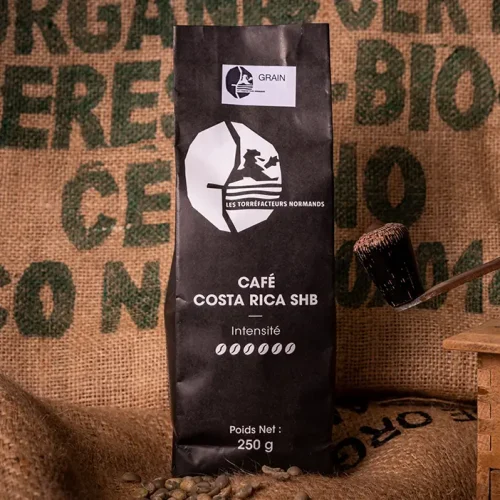
Costa Rican Arabica puts citrus up front
A good way to recognise this cup is to smell it before you take a sip. The citrus shows up in the aroma as well as in the lively acidity. A medium body gives the fruit some weight. For someone who likes the citrus finish of the Peruvian coffee and wants more of it, this is a natural second bag.
Shop Costa Rican ground coffee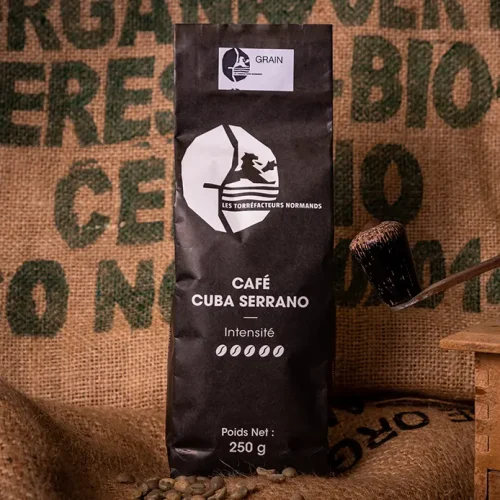
Cuba Serrano recalls freshly toasted bread
The roaster describes toasted bread, a little chocolate and an aroma reminiscent of blond tobacco in this washed Cuban Arabica. Imagine the smell of a freshly cut crust to get a sense of its savoury side. Its medium body makes the comparison with Costa Rica especially interesting. The two cups can feel similar on the tongue and smell entirely different.
Shop Cuba Serrano ground coffeeEast African coffee from Ethiopia, Kenya, Tanzania and Burundi
“Bright” only tells you so much about a coffee. In these four cups, it can come with the perfume of jasmine, the tang of citrus, or an earthy aroma that emerges as the coffee cools.

Ethiopian Moka from Sidamo has a jasmine-like aroma
If you drink jasmine tea, this is the first bag we’d open for you. The Sidamo coffee feels delicate on the tongue, with a floral fragrance and pronounced acidity. Smell the cup, take a small sip, then breathe out through your nose. See if you can pick up that jasmine fragrance again.
Shop organic Ethiopian Moka ground coffee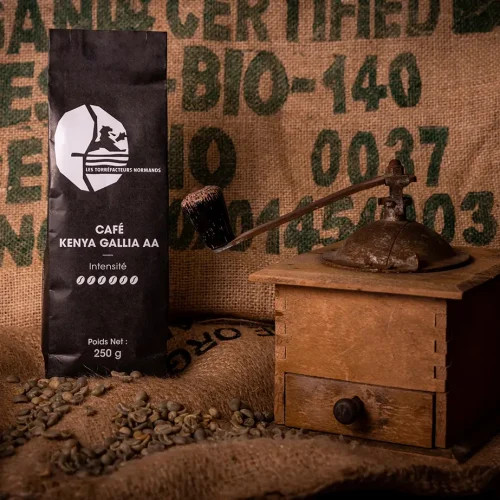
Kenya AA changes as the cup cools
This Kenyan Arabica pairs lively acidity with an intense aroma. The roaster picks out an earthier scent as the temperature falls, so save a little for a second taste. If the letters on the bag catch your eye, AA is a Kenyan bean-size grade. The clues to how this particular coffee tastes are in its aroma and acidity.
Shop Kenya AA ground coffee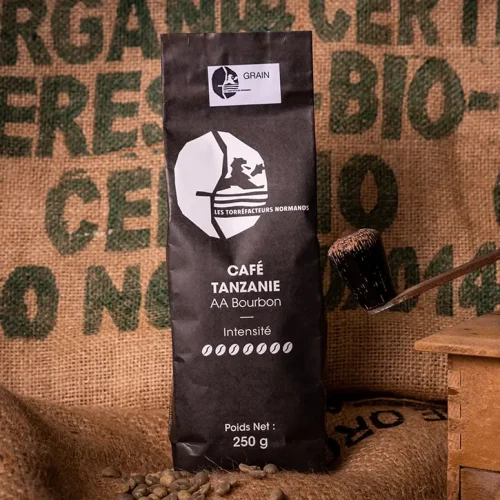
Tanzania AA combines flowers and fruit
Grown in northeastern Tanzania, this Bourbon variety of Arabica brings floral and fruity aromas together. Pronounced acidity gives the sip a lively start and the aromatics linger. Try it beside the Ethiopian Moka if you love fragrant coffees. With Tanzania, pay attention to the fruit that comes through alongside the flowers.
Shop Tanzania AA ground coffee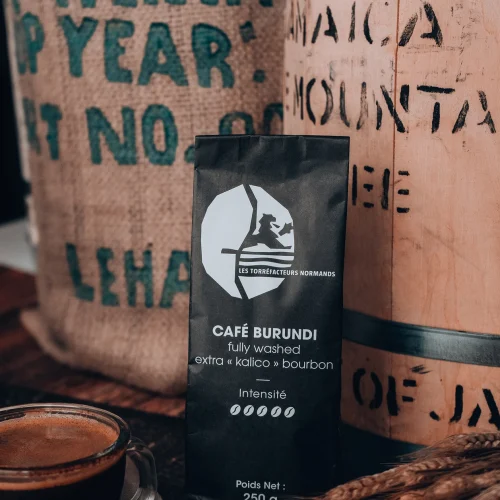
Burundi Kalico moves from citrus to blackberry
Kalico is another Bourbon Arabica, this time fully washed in Burundi. The producer dries it on trays for two weeks and rests it in parchment before export. The roaster’s description gives you a two-part tasting exercise. Look for citrus as you sip, then a softer impression of blackberry as you swallow.
Shop Burundi Kalico ground coffeeIsland coffees from Sumatra and Papua New Guinea
Fruit is the common thread in these two coffees. To choose between them, think about whether you want a weighty cup or a balanced one with a recognisable berry finish.
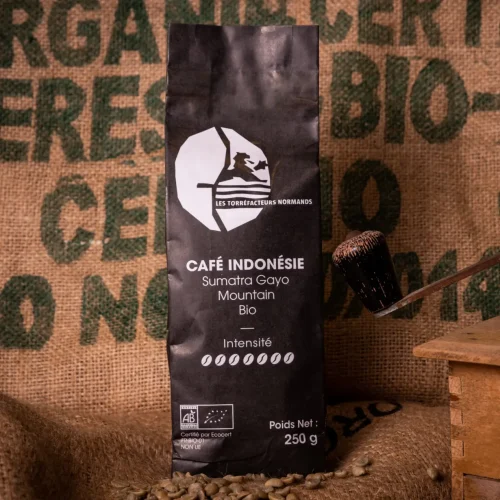
Sumatra Gayo Mountain pairs red fruit with a full body
The Gayo region on the Indonesian island of Sumatra gives this organic Arabica its name. Take a sip and notice how much weight the coffee carries on your tongue. Its red-fruit character lingers after you swallow. Drink it alongside Ethiopian Moka and you may notice the difference in body before you can name a single aroma.
Shop organic Gayo Mountain ground coffee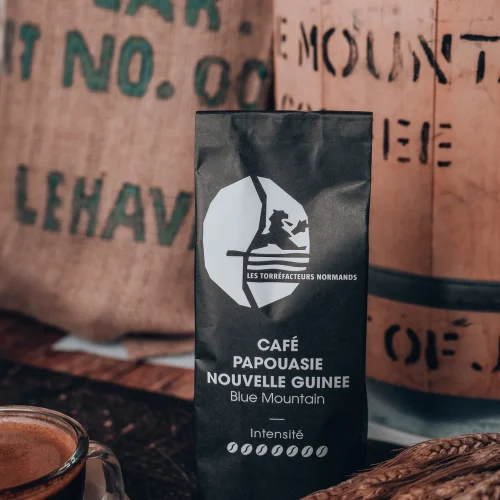
Papua New Guinea Typica finishes on redcurrant
Hand-picked at approximately 1,600 metres, this Typica Arabica is washed and sun-dried. The cup is balanced, with a fruity aroma and a redcurrant-like finish. If the taste you love is the little burst of tartness from a ripe redcurrant, try this one. If you’d like a broader red-fruit impression and more body, go for Gayo Mountain.
Shop Papua New Guinea ground coffeeTwo more ways to explore the roaster
A single-origin coffee lets you get to know one place at a time. For a pot to share, or a cup after dinner, two other coffees in the range offer a different starting point.
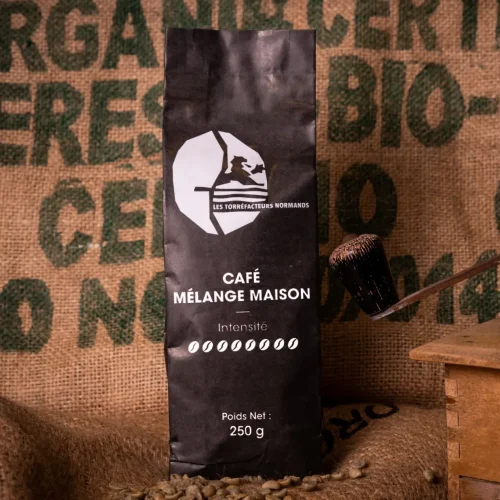
A House Blend for a shared breakfast pot
The Normandy roaster brings together Arabicas from Brazil, India, Ethiopia and Colombia in its Mélange Maison. The result is full-bodied, rounded and gently bright. It’s the one we’d put on a breakfast table where one person drinks their coffee black and another reaches for the milk.
Shop the Les Torréfacteurs Normands House Blend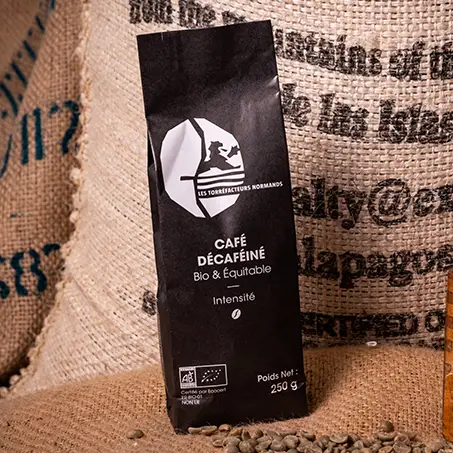
A mild Peruvian decaf for a late cup
This organic fair trade Arabica from Peru is decaffeinated using carbon dioxide before roasting. It’s mild and aromatic, with enough body to make a satisfying after-dinner cup. Choose it if you’d like to explore Peruvian coffee with less caffeine.
Shop organic Peruvian decaf ground coffeeHow to taste two coffee origins side by side
For a first tasting, put Brazil Santos next to Ethiopian Moka. Hazelnut and milk chocolate give you one end of the comparison, jasmine and lively acidity the other. For a closer call, compare Burundi Kalico with Papua New Guinea. Both have berry notes. Can you pick out the softer blackberry in one and the tart redcurrant finish in the other?
- Brew both the same way. Use a brewer suited to both grinds, the same water and the same coffee-to-water ratio. For compatible filter grinds, 15 g of coffee to 250 ml of water per cup is a simple starting point.
- Give each coffee two chances. Smell both cups, then take a sip of each when they’re comfortable to drink. Return to them a few minutes later. A second pass is especially worthwhile with Kenya AA.
- Write down one word of your own. “Toast”, “flowers” or “juicy” is enough. Then try the cups the way you normally drink them, milk included. The bag you want another cup of is the one worth remembering.
Tasting notes such as hazelnut and jasmine describe associations in these plain coffees. Your associations may be different. If you’d like to put a name to an unfamiliar aroma, the World Coffee Research Sensory Lexicon is a reference for the flavours, aromas and textures people perceive in coffee.
Which bag would you open first? Start with a flavour you recognise, then choose a second origin that tastes a little different. All the coffees featured here come ground in 250 g bags.
Explore ground coffees at Leaf & Spice