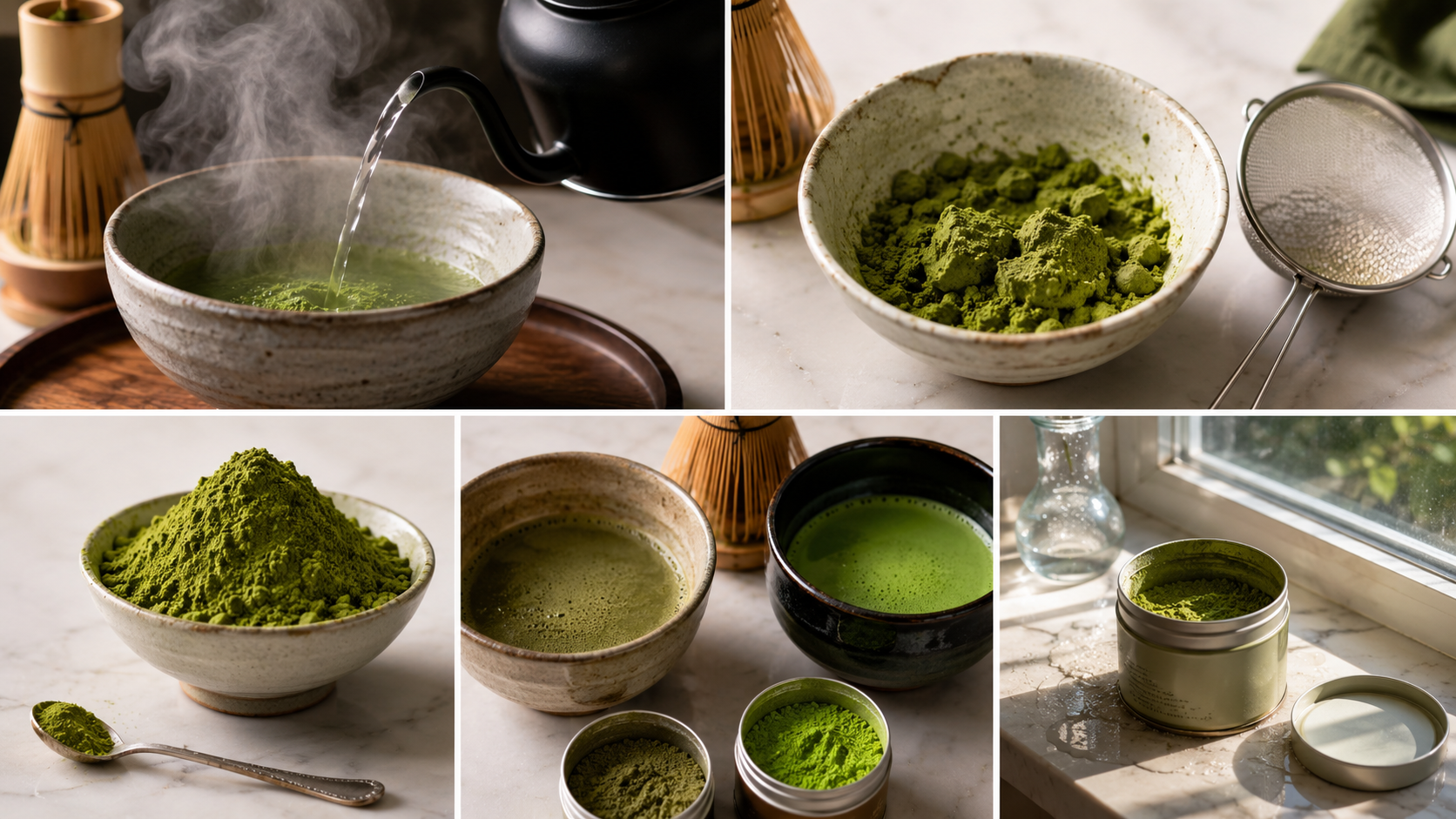
What Is Matcha Tea? A Complete Guide to Japan’s Vibrant Green Tea Powder
Matcha tea is one of the most popular green teas in the world, known for its bright green color, smooth taste, gentle energy boost, and rich cultural history. Unlike regular green tea, where tea leaves are steeped in hot water and then removed, matcha is made from finely ground green tea leaves that are whisked directly into water or milk. This means you consume the whole tea leaf, giving matcha its distinctive flavor, creamy texture, natural caffeine content, and concentrated plant compounds.
Today, matcha is enjoyed in many ways. Some people drink traditional matcha tea as part of a calm morning ritual. Others prefer a matcha latte, iced matcha, matcha smoothies, or desserts made with matcha powder. Whether you are new to green tea or already love Japanese teas, matcha is a unique ingredient that offers both flavor and function.
In this guide, we explain what matcha tea is, how it is made, what it tastes like, how much caffeine it contains, how to prepare it, and how to choose good-quality matcha powder.

What Is Matcha Tea?
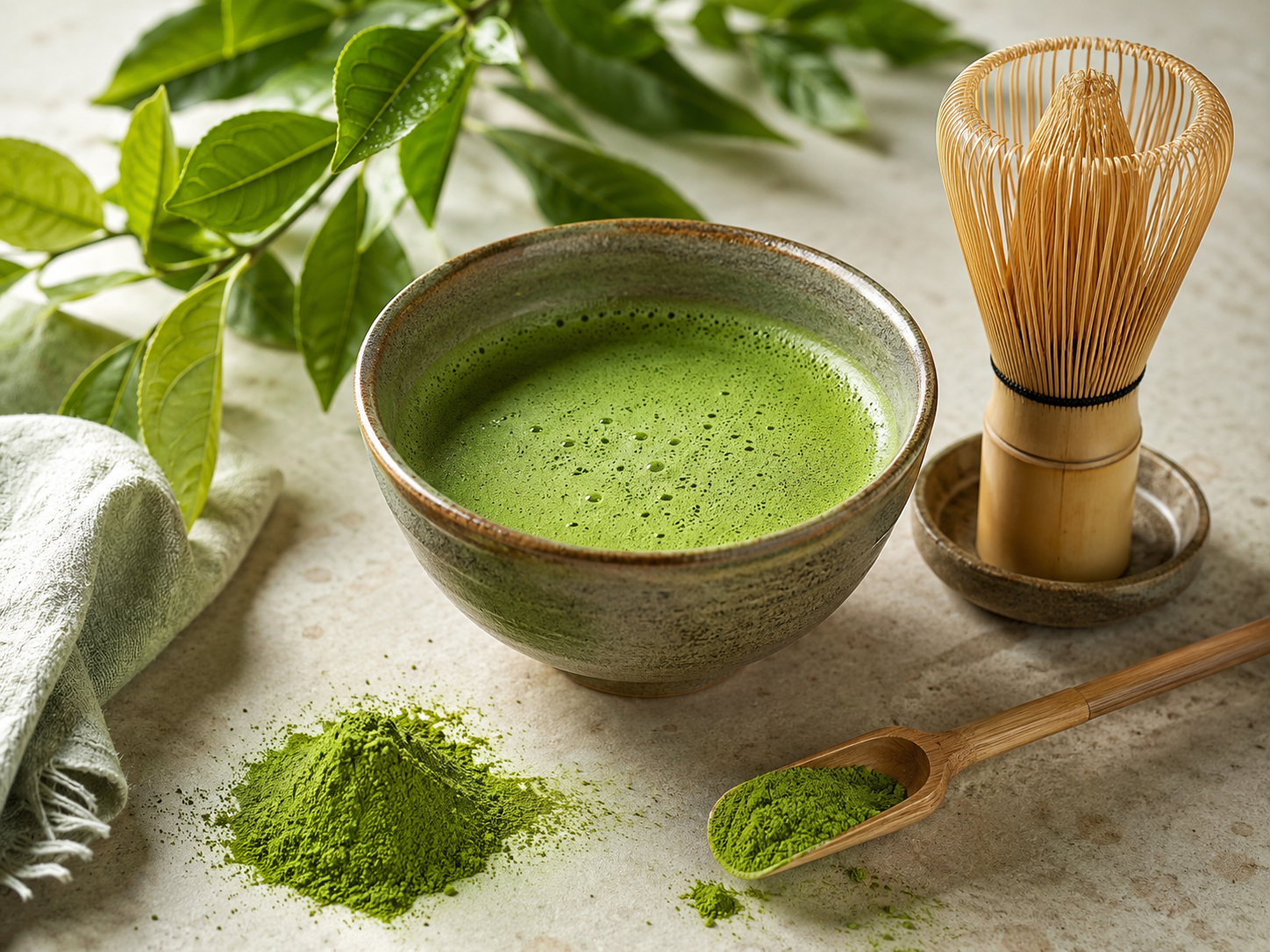
Matcha tea is a type of powdered Japanese green tea made from specially grown and processed tea leaves. The word “matcha” generally means finely ground tea powder. It is traditionally made from shade-grown tea leaves, which are harvested, steamed, dried, and ground into a very fine powder.
The biggest difference between matcha and regular green tea is how you drink it. With regular green tea, the leaves are infused in water and then removed. With matcha, the entire leaf is ground into powder and mixed into the drink. Because of this, matcha has a stronger flavor, thicker texture, deeper green color, and more concentrated nutrients than many standard green teas.
Matcha is most closely associated with Japan, where it has been used for centuries in tea ceremonies. However, it is now popular around the world as a daily wellness drink, coffee alternative, latte base, baking ingredient, and premium tea experience.

How Is Matcha Made?
High-quality matcha begins in the tea fields. The process is careful and detailed, which is one reason premium matcha is often more expensive than ordinary green tea.
1. The Tea Plants Are Shade-Grown
Several weeks before harvest, tea plants used for matcha are covered to reduce direct sunlight. This shading process encourages the leaves to produce more chlorophyll, which gives matcha its bright green color. It also helps develop a smoother, richer taste with more umami and less bitterness.
2. The Leaves Are Harvested
The youngest and most tender tea leaves are usually selected for higher-quality matcha. These leaves produce a smoother flavor and finer powder.
3. The Leaves Are Steamed
After harvesting, the tea leaves are quickly steamed. This stops oxidation and helps preserve the green color, fresh aroma, and delicate flavor of the leaves.
4. The Leaves Are Dried and Sorted
The stems and veins are usually removed, leaving behind the soft leaf material known as tencha. Tencha is the raw material used to make matcha.
5. The Leaves Are Ground Into Powder
The dried leaves are slowly ground into a very fine powder. Traditionally, stone mills are used to create an ultra-fine texture. The result is matcha powder: vibrant, smooth, aromatic, and easy to whisk into water.

What Does Matcha Taste Like?
Matcha has a rich and complex taste. Good-quality matcha is usually smooth, slightly sweet, grassy, creamy, and full of umami. Umami is the deep, savory taste often found in foods like miso, seaweed, mushrooms, and broth.
The taste of matcha depends strongly on quality. Premium matcha usually tastes fresh, soft, naturally sweet, and balanced. Lower-quality matcha can taste bitter, dull, dusty, or overly grassy.
A well-prepared bowl of matcha should feel smooth and pleasant, not harsh. It may have a gentle vegetal flavor, a creamy mouthfeel, and a clean finish. When mixed with milk, matcha becomes softer and more dessert-like, making it ideal for lattes.

Matcha Tea vs Green Tea: What Is the Difference?
Matcha and green tea come from the same plant, Camellia sinensis, but they are grown, processed, prepared, and consumed differently.
Regular green tea is usually made by steeping dried tea leaves in hot water. After steeping, the leaves are removed. Matcha is made by whisking powdered tea leaves directly into water, so you consume the whole leaf.
This gives matcha several unique qualities:
- It has a stronger and more concentrated flavor.
- It usually has more caffeine than standard brewed green tea.
- It has a thicker, creamier texture.
- It contains more concentrated tea compounds because the whole leaf is consumed.
- It is more versatile for lattes, smoothies, desserts, and recipes.
Regular green tea is lighter, more delicate, and often easier to drink throughout the day. Matcha is richer, more intense, and often chosen as a coffee alternative or focused morning drink.

Does Matcha Have Caffeine?
Yes, matcha contains caffeine. In general, matcha has more caffeine than many regular green teas because you consume the whole powdered leaf instead of only an infusion.
The exact caffeine content depends on the serving size, tea quality, growing conditions, and how much powder you use. A typical serving of matcha can contain less caffeine than a cup of coffee, but more caffeine than a light green tea.
Many people like matcha because the energy feels smoother than coffee. Matcha naturally contains L-theanine, an amino acid found in tea. L-theanine is often associated with a calmer, more balanced feeling. This is one reason matcha is popular among people who want focus without the sharp energy spike they sometimes get from coffee.
If you are sensitive to caffeine, start with a small serving and avoid drinking matcha late in the day.

Is Matcha Good for You?
Matcha is often considered a healthy drink because it contains naturally occurring plant compounds from green tea leaves. Since you consume the whole leaf, matcha can provide a more concentrated amount of these compounds than regular steeped green tea.
Matcha contains antioxidants, including catechins, which are plant compounds found in green tea. It also contains L-theanine, caffeine, chlorophyll, and small amounts of vitamins and minerals.
However, matcha should be seen as part of a balanced lifestyle, not as a miracle drink. It can be a great choice when replacing sugary drinks or excessive coffee, especially if you enjoy the taste and prepare it without too much added sugar.
Potential Benefits of Matcha Tea

Matcha Can Support Calm Focus
One of the main reasons people drink matcha is for calm, steady focus. The combination of caffeine and L-theanine may help create a smoother energy experience compared with coffee. Many people choose matcha before work, studying, writing, creative tasks, or meditation.

Matcha Is Rich in Antioxidants
Matcha is made from whole green tea leaves, so it naturally contains antioxidants. These plant compounds help protect the body from oxidative stress as part of a healthy diet.

Matcha May Be a Good Coffee Alternative
Matcha can be a useful alternative for people who want less intense caffeine than coffee. It still provides energy, but many drinkers find it gentler and less likely to cause jitters when prepared properly.

Matcha Can Support a Mindful Routine
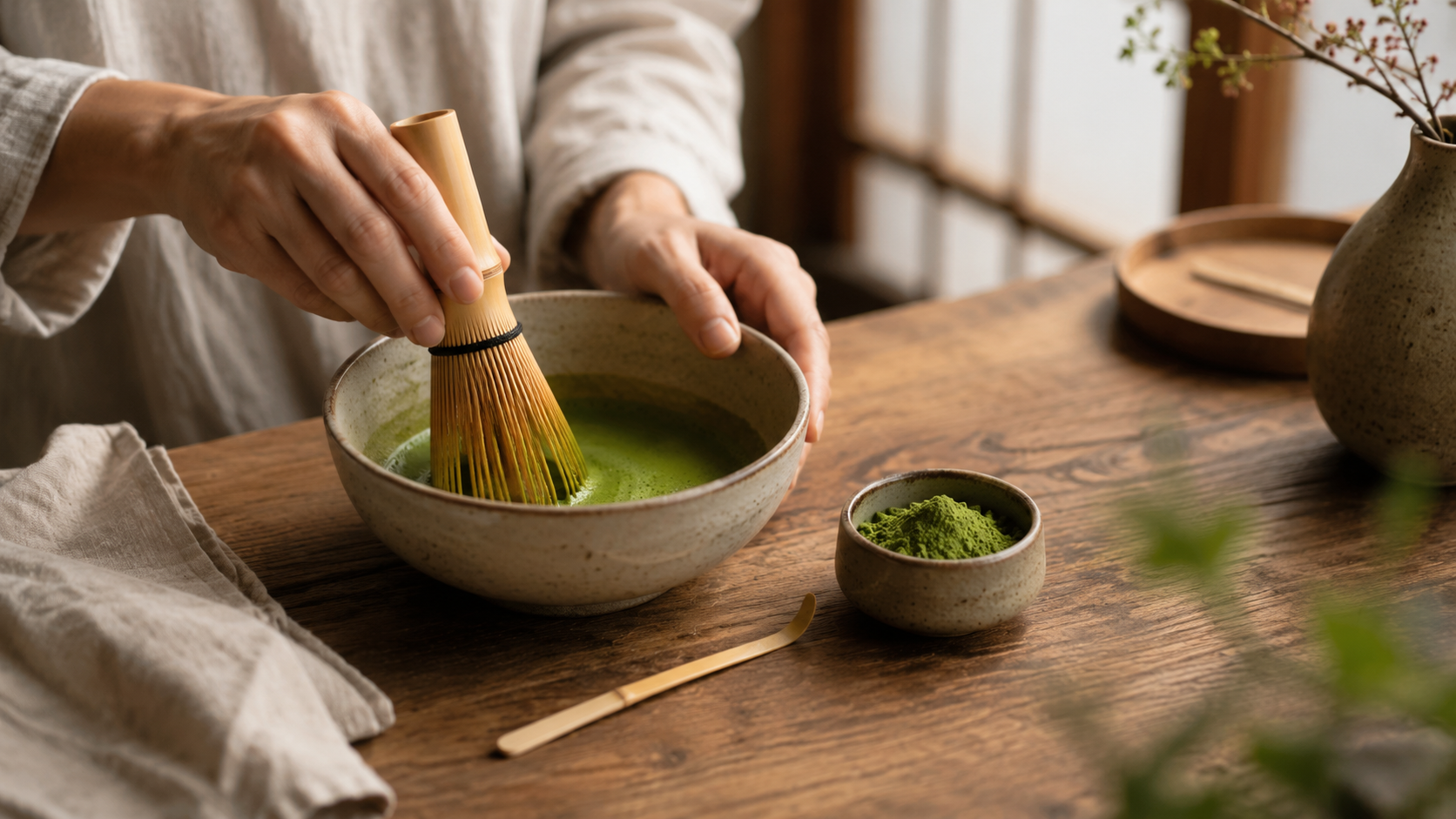
Traditional matcha preparation is slow and intentional. Measuring the powder, adding water, whisking, and enjoying the drink can become a calming daily ritual. This makes matcha more than just a beverage; it can become a small moment of focus in a busy day.

Matcha Is Versatile
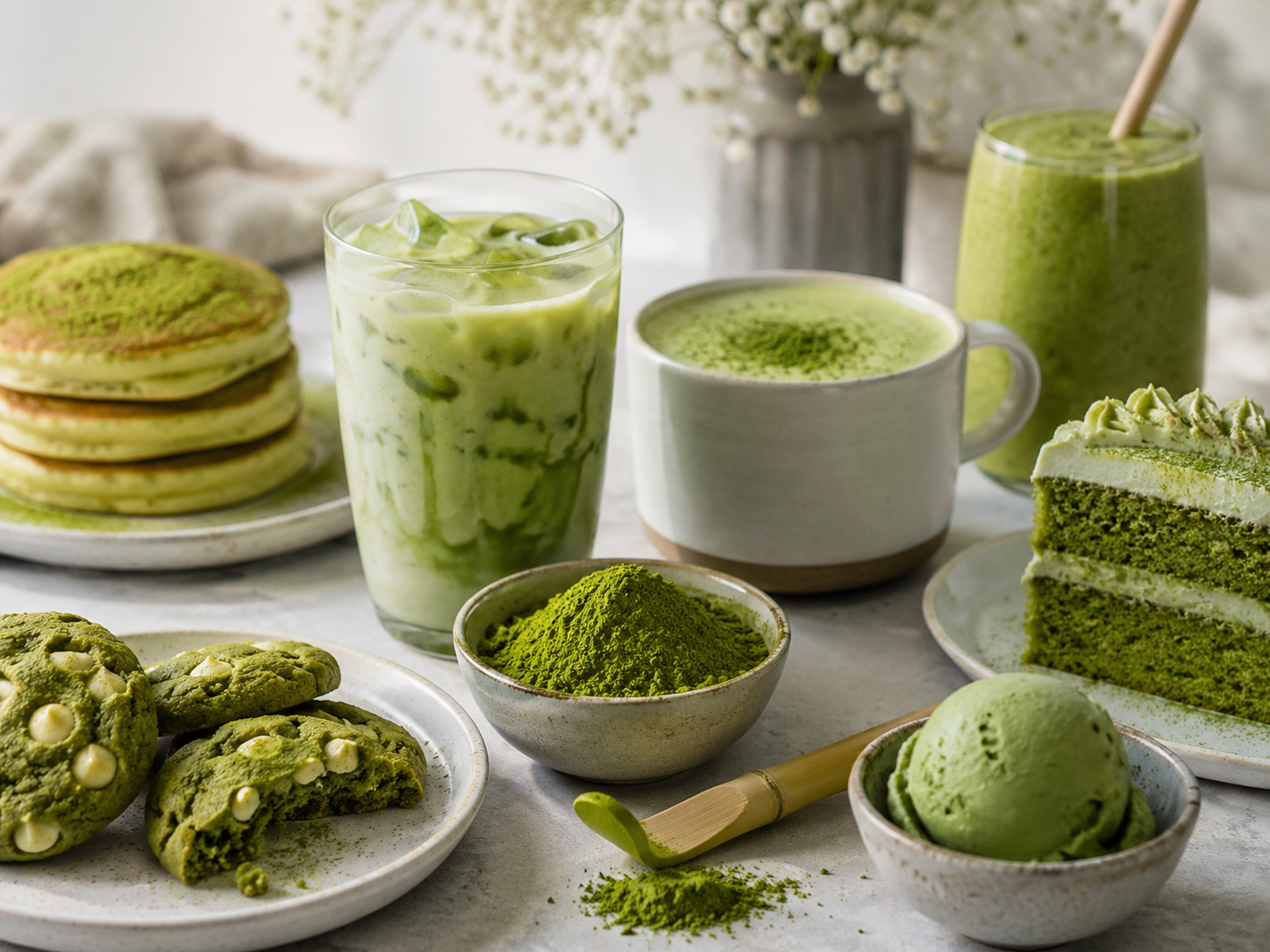
Matcha can be used in many recipes. You can drink it hot or iced, with water or milk, sweetened or unsweetened. You can also add it to smoothies, porridge, chia pudding, cakes, cookies, energy balls, and desserts.
Different Grades of Matcha
When shopping for matcha powder, you will often see terms like ceremonial grade, premium grade, and culinary grade. These grades are not always officially standardized, but they are commonly used to describe matcha quality and intended use.

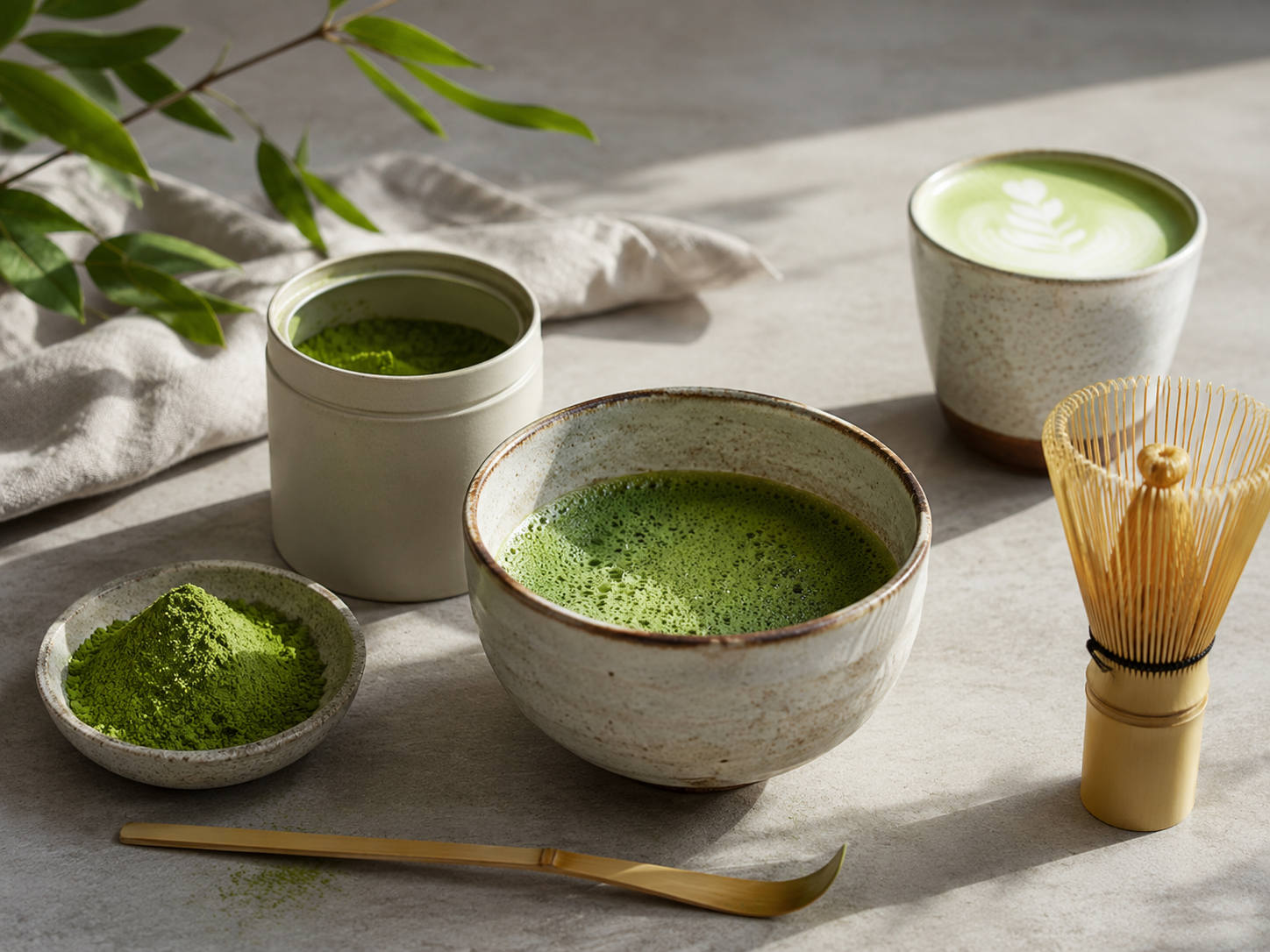
Ceremonial Grade Matcha
Ceremonial grade matcha is usually the highest quality. It is made from young, tender tea leaves and has a bright green color, fine texture, smooth taste, and low bitterness. It is best for traditional matcha tea prepared with water.
Choose ceremonial grade matcha if you want to drink matcha pure, without milk or sweeteners.

Premium Grade Matcha
Premium matcha is still high-quality, but it may be slightly less delicate than ceremonial matcha. It can be used for both traditional tea and matcha lattes. It is a good everyday option for people who drink matcha regularly.

Culinary Grade Matcha
Culinary grade matcha is designed for recipes, baking, smoothies, and lattes. It usually has a stronger flavor, which helps it stand out when mixed with milk, flour, sugar, or other ingredients. It may be more bitter than ceremonial matcha, but that is not always a problem when used in recipes.
Choose culinary grade matcha for matcha latte, cakes, cookies, pancakes, ice cream, and smoothies.
How to Choose Good Matcha Powder
Good matcha can make a big difference in both taste and drinking experience. Here are the most important things to look for.
Look for a Bright Green Color
High-quality matcha is usually vibrant green. A dull, yellowish, brownish, or grey-green powder may be older, lower quality, or poorly stored.
Check the Origin
Japanese matcha is highly respected, especially from well-known tea regions. If you want a traditional matcha experience, choose matcha from Japan.
Choose the Right Grade
For drinking with water, choose ceremonial or premium matcha. For lattes and recipes, culinary matcha is usually enough.
Check the Texture
Good matcha should be very fine and silky. A coarse or grainy powder may not whisk well and can create a rough texture.
Avoid Excessive Bitterness
Matcha should have some natural green tea intensity, but it should not taste unpleasantly bitter or stale. Quality matcha is balanced, smooth, and fresh.
Buy Smaller Amounts
Matcha is sensitive to air, light, heat, and moisture. It is better to buy smaller amounts and use them while fresh.

How to Store Matcha Tea
Matcha powder should be stored carefully to protect its color, flavor, and aroma. After opening, keep it in an airtight container away from light, heat, and moisture. A cool cupboard can work, but the refrigerator is also commonly used if the container is sealed well.
Always close the package immediately after use. Avoid leaving matcha exposed to air for long periods. Once opened, try to use it within a reasonable time for the best taste.
Fresh matcha should smell clean, green, and slightly sweet. If it smells stale, flat, or musty, it may no longer taste good.

How to Prepare Traditional Matcha Tea
Making matcha at home is simple, but the right technique helps create a smoother drink.
You Will Need
- 1 to 2 teaspoons of matcha powder
- 60 to 80 ml of hot water
- A matcha bowl or small cup
- A bamboo whisk or small electric frother
- A small sieve, optional but helpful
Step-by-Step Preparation
- Sift the matcha powder into a bowl to remove clumps.
- Add a small amount of hot water.
- Whisk quickly in a zigzag motion until the tea becomes smooth and slightly frothy.
- Add more water if desired.
- Drink immediately while fresh.
The water should be hot, but not boiling. Boiling water can make matcha taste more bitter. A temperature around 70–80°C is usually a good starting point.

How to Make a Matcha Latte
A matcha latte is one of the most popular ways to enjoy matcha. It is creamy, smooth, and easy to customize.
Ingredients
- 1 to 2 teaspoons of matcha powder
- 50 ml hot water
- 200 ml milk or plant-based milk
- Honey, maple syrup, or sugar, optional
Method
- Sift the matcha powder into a cup.
- Add hot water and whisk until smooth.
- Heat and froth your milk.
- Pour the milk over the matcha.
- Sweeten if desired.
For an iced matcha latte, use cold milk and pour the whisked matcha over ice.

Best Milk for Matcha Latte
Matcha works well with many types of milk. The best choice depends on your taste.
Dairy milk creates a creamy and balanced latte. Oat milk is one of the most popular plant-based options because it has a naturally sweet, smooth flavor. Almond milk gives a lighter taste, while coconut milk adds a tropical note. Soy milk creates a rich texture and pairs well with stronger matcha.
For the best flavor, choose milk that does not overpower the matcha. Unsweetened or lightly sweetened milk usually works best.

Common Matcha Mistakes to Avoid
Using Boiling Water
Boiling water can make matcha taste bitter. Let the water cool slightly before mixing.
Not Sifting the Powder
Matcha powder can clump easily. Sifting creates a smoother drink.
Using Too Much Powder
More matcha does not always mean better flavor. Too much powder can make the drink bitter and intense. Start with 1 teaspoon and adjust to taste.
Choosing the Wrong Grade
Ceremonial matcha is best for drinking with water. Culinary matcha is better for recipes and lattes. Using low-quality matcha for traditional tea may lead to a bitter experience.
Storing Matcha Incorrectly
Matcha loses freshness when exposed to air, light, heat, and moisture. Store it properly and use it while fresh.

Can You Drink Matcha Every Day?
Many people drink matcha daily as part of their morning or afternoon routine. For most healthy adults, moderate matcha consumption can fit well into a balanced diet. However, because matcha contains caffeine, it is important to pay attention to your personal tolerance.
If you are sensitive to caffeine, pregnant, breastfeeding, taking medication, or managing a medical condition, it is best to ask a healthcare professional for personal advice.
For everyday use, one serving per day is a common starting point. You can adjust the amount based on your energy levels, sleep quality, and taste preference.

Matcha Tea for Beginners: Where to Start
If you are new to matcha, start with a matcha latte. The milk softens the grassy flavor and makes the drink easier to enjoy. Once you become familiar with the taste, try traditional matcha prepared with water.
Choose a good-quality premium or ceremonial matcha if you want a smooth first experience. Avoid very cheap matcha for your first cup, as it may taste bitter and give you the wrong impression.
A simple beginner recipe is:
- 1 teaspoon matcha powder
- 60 ml hot water
- 150–200 ml milk
- A small amount of honey or maple syrup, optional
This creates a balanced matcha latte that is smooth, mild, and easy to drink.

Popular Ways to Use Matcha
Matcha is not only for tea. Its bright green color and earthy flavor make it a popular ingredient in many drinks and desserts.
Popular matcha ideas include:
- Hot matcha tea
- Iced matcha tea
- Matcha latte
- Iced matcha latte
- Matcha smoothie
- Matcha lemonade
- Matcha chia pudding
- Matcha overnight oats
- Matcha cookies
- Matcha cake
- Matcha ice cream
- Matcha energy balls
- Matcha pancakes
Culinary matcha is usually the best option for recipes because it has a stronger flavor and is more affordable than ceremonial matcha.

Matcha Tea and Japanese Tea Culture
Matcha has deep roots in Japanese tea culture. It is strongly connected with the Japanese tea ceremony, also known as chanoyu or sadō. This ceremony is about more than drinking tea. It focuses on presence, respect, simplicity, beauty, and mindful preparation.
In traditional settings, matcha is carefully measured, whisked, served, and enjoyed in a quiet atmosphere. Every movement has meaning. While modern matcha drinks are often casual, the traditional preparation reminds us that tea can be a moment of calm and connection.
This cultural background is one of the reasons matcha feels different from many everyday drinks. It is not just about taste or caffeine. It is also about ritual, balance, and appreciation.

Matcha Powder vs Matcha Tea Bags
Matcha powder and matcha tea bags are not the same.
Real matcha is a fine powder that is mixed directly into water. Tea bags labeled as matcha may contain green tea leaves with a small amount of matcha powder added. These products can still taste pleasant, but they do not offer the same texture, color, or full matcha experience.
If you want authentic matcha, choose pure matcha powder. If you want convenience and a lighter green tea taste, matcha tea bags can be a simple option.

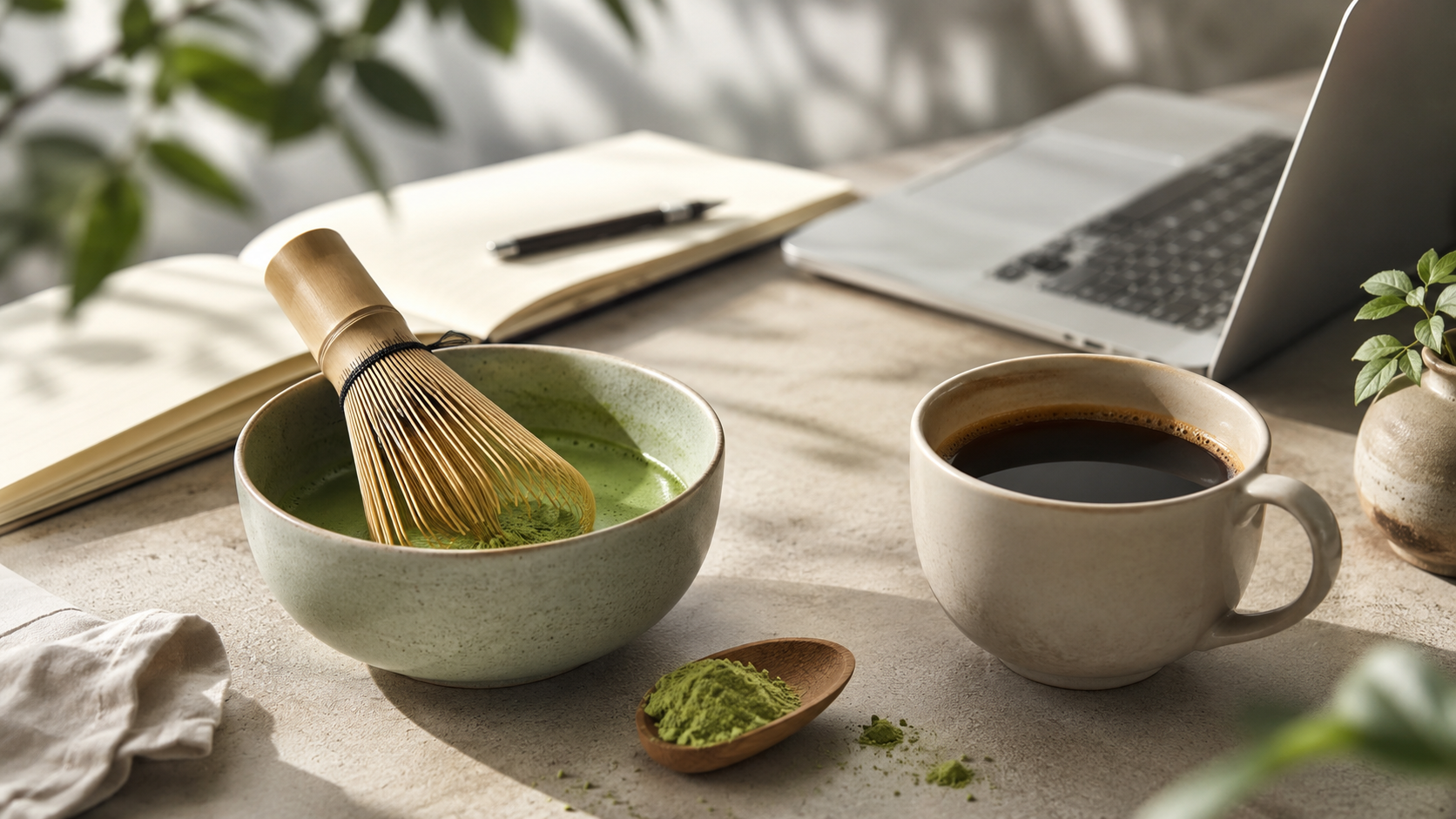
Is Matcha Better Than Coffee?
Matcha and coffee are different drinks, and the better choice depends on what you want.
Coffee usually has a stronger flavor and more intense caffeine effect. Matcha has a smoother green tea taste and often provides a gentler energy experience. Coffee is ideal for people who enjoy bold roasted flavors. Matcha is ideal for people who prefer a calmer drink with earthy, creamy, and slightly sweet notes.
Matcha can be a good coffee alternative if you want:
- A smoother energy boost
- Less acidity
- A calming tea ritual
- A drink that works hot or iced
- A latte without coffee flavor
- A versatile ingredient for recipes
Many people enjoy both. Coffee may be their morning drink, while matcha becomes an afternoon focus drink or a weekend ritual.

Who Should Try Matcha Tea?
Matcha is a great choice for people who enjoy green tea, gentle caffeine, natural flavors, and mindful daily routines. It is especially suitable for those who want a drink that feels energizing but not too heavy.
You may enjoy matcha if you:
- Like green tea
- Want an alternative to coffee
- Enjoy creamy lattes
- Prefer less sugary drinks
- Like Japanese tea culture
- Want a tea that can be used in recipes
- Enjoy earthy, fresh, and umami flavors
If you dislike grassy or vegetal flavors, start with a matcha latte instead of traditional matcha tea.
Frequently Asked Questions About Matcha Tea
Matcha tea is made from finely ground green tea leaves. The leaves are usually shade-grown, steamed, dried, sorted, and ground into a fine powder.
Matcha is a type of green tea, but it is different from regular steeped green tea. With matcha, you drink the whole powdered leaf mixed into water.
Yes, matcha contains caffeine. It usually has more caffeine than regular green tea but often less than coffee, depending on the serving size.
Matcha tastes earthy, grassy, creamy, slightly sweet, and rich in umami. High-quality matcha is smooth and balanced, while lower-quality matcha can taste bitter.
Yes. A bamboo whisk is traditional, but you can also use a small electric frother, shaker bottle, or blender.
Yes. Matcha is excellent for lattes. It pairs especially well with oat milk, dairy milk, soy milk, and almond milk.
A premium grade matcha is often best for beginners because it is smoother than basic culinary matcha but usually more affordable than ceremonial grade matcha.
Matcha can taste bitter if the powder is low quality, the water is too hot, you use too much powder, or the matcha is old and poorly stored.
Yes. Matcha is popular in cakes, cookies, pancakes, muffins, ice cream, and desserts. Culinary grade matcha is usually best for baking.
Store matcha in an airtight container away from light, heat, moisture, and strong odors. Use it while fresh for the best color and flavor.
Final Thoughts: Why Matcha Tea Is Worth Trying
Matcha tea is more than a trendy green drink. It is a unique form of Japanese green tea with a rich history, vibrant color, smooth flavor, and versatile use. Because matcha is made from finely ground whole tea leaves, it offers a more concentrated tea experience than regular green tea.
You can enjoy matcha in a traditional bowl, a creamy latte, an iced drink, or your favorite dessert recipe. The key is choosing good-quality matcha, preparing it with the right water temperature, and storing it properly.
If you are looking for a drink that combines flavor, ritual, gentle energy, and everyday versatility, matcha tea is a beautiful choice to explore.