
Essential Spices Every Kitchen Needs
Spices are one of the easiest ways to make everyday cooking more flavorful, aromatic, and exciting. A simple dish can taste completely different when you add the right spice blend, a pinch of heat, or a warm earthy note. Whether you cook quick weekday meals, traditional family recipes, healthy lunches, or more creative dishes, a well-stocked spice rack gives you more freedom in the kitchen.
You do not need dozens of rare spices to cook well. Most home kitchens only need a strong foundation of versatile spices that work across many cuisines. With the right essentials, you can season vegetables, soups, sauces, meat, fish, rice, pasta, stews, marinades, dressings, and roasted dishes with confidence.
This guide covers the essential spices every kitchen needs, how to use them, what they taste like, and why they deserve a permanent place in your pantry.
Why Every Kitchen Needs a Good Spice Collection
A good spice collection helps you cook better food without complicated techniques. Spices add depth, aroma, color, warmth, freshness, sweetness, smokiness, and heat. They also make simple ingredients taste more interesting.
A basic meal of rice, vegetables, and protein can become Mediterranean, Indian, Mexican, Middle Eastern, or Asian-inspired depending on the spices you use. This makes spices especially useful for home cooks who want variety without buying expensive ingredients every day.
Spices are also practical. They last much longer than fresh herbs, they are easy to store, and only a small amount is needed to change the flavor of a dish. Building a quality spice rack is one of the smartest investments for any kitchen.

Black Pepper
Black pepper is one of the most important spices in the world and belongs in every kitchen. It has a sharp, warm, slightly spicy flavor that improves both simple and complex dishes.
Freshly ground black pepper has a much stronger aroma than pre-ground pepper. It works well with almost everything, including eggs, salads, soups, sauces, roasted vegetables, pasta, meat, fish, and potatoes.
Best uses for black pepper
Use black pepper in everyday cooking, marinades, creamy sauces, grilled dishes, salad dressings, and roasted vegetables. It is also excellent in tomato-based sauces and cheese dishes.
Why you need it
Black pepper enhances flavor without overpowering food. It is one of the most versatile spices you can own.

Sea Salt or Quality Cooking Salt
Although salt is technically a mineral and not a spice, no kitchen is complete without it. Salt brings out the natural flavor of food and balances sweetness, bitterness, acidity, and richness.
A good kitchen should have everyday cooking salt and, ideally, a finishing salt for serving. Fine salt is useful for cooking, while flaky or coarse salt can add texture to finished dishes.
Best uses for salt
Use salt in soups, pasta water, roasted vegetables, sauces, meat, fish, eggs, salads, bread, and almost every savory recipe.
Why you need it
Salt is the foundation of seasoning. Even the best spices will taste flat if a dish is under-salted.

Paprika
Paprika is a must-have spice made from dried and ground peppers. It can be sweet, smoky, or hot, depending on the variety. Sweet paprika is the most versatile option for everyday cooking.
Paprika adds color, mild pepper flavor, and gentle warmth. It is commonly used in European, Mediterranean, Middle Eastern, and Mexican-inspired dishes.
Best uses for paprika
Use paprika in stews, soups, roasted potatoes, chicken, rice dishes, beans, marinades, sauces, and spice rubs. It is also excellent sprinkled over hummus, eggs, or roasted vegetables.
Why you need it
Paprika adds beautiful color and mild flavor without too much heat. It is ideal for family cooking and everyday meals.

Smoked Paprika
Smoked paprika has a deep, smoky, slightly sweet flavor. It is one of the best spices for adding richness to vegetarian and meat-based dishes.
A small amount can make food taste as if it has been grilled, roasted over fire, or slow-cooked. It is especially useful when cooking indoors and wanting a smoky flavor without using a barbecue.
Best uses for smoked paprika
Use smoked paprika in roasted vegetables, beans, stews, chili, grilled meats, chicken, potatoes, sauces, soups, and homemade spice rubs.
Why you need it
Smoked paprika gives dishes depth and warmth. It is perfect for making simple food taste richer and more satisfying.

Garlic Powder
Garlic powder is a practical kitchen essential. It has a savory, slightly sweet garlic flavor and blends easily into dry rubs, sauces, marinades, and dressings.
Fresh garlic is wonderful, but garlic powder is useful when you want garlic flavor without chopping, peeling, or adding moisture. It is also less likely to burn than fresh garlic in some recipes.
Best uses for garlic powder
Use garlic powder in roasted vegetables, fries, grilled meat, chicken, soups, dips, sauces, salad dressings, burgers, and homemade seasoning blends.
Why you need it
Garlic powder is quick, convenient, and very versatile. It is one of the best everyday spices for adding savory flavor.

Onion Powder
Onion powder adds sweet, savory onion flavor without the texture or moisture of fresh onions. It works especially well in seasoning blends and dry rubs.
It is a great spice for quick meals because it gives dishes a deeper base flavor without needing to sauté onions first.
Best uses for onion powder
Use onion powder in soups, sauces, marinades, roasted potatoes, burgers, meatballs, dips, salad dressings, and grilled vegetables.
Why you need it
Onion powder adds instant savory depth. It pairs beautifully with garlic powder, paprika, black pepper, and herbs.

Cumin
Cumin has a warm, earthy, slightly nutty flavor. It is essential in many cuisines, including Mexican, Indian, Middle Eastern, North African, and Mediterranean cooking.
Cumin can completely transform a dish. It gives warmth and depth to beans, lentils, rice, stews, roasted vegetables, and meat dishes.
Best uses for cumin
Use cumin in chili, tacos, curries, soups, lentil dishes, hummus, roasted carrots, rice, chickpeas, and spice rubs.
Why you need it
Cumin is one of the most useful spices for creating bold, comforting, and aromatic meals.
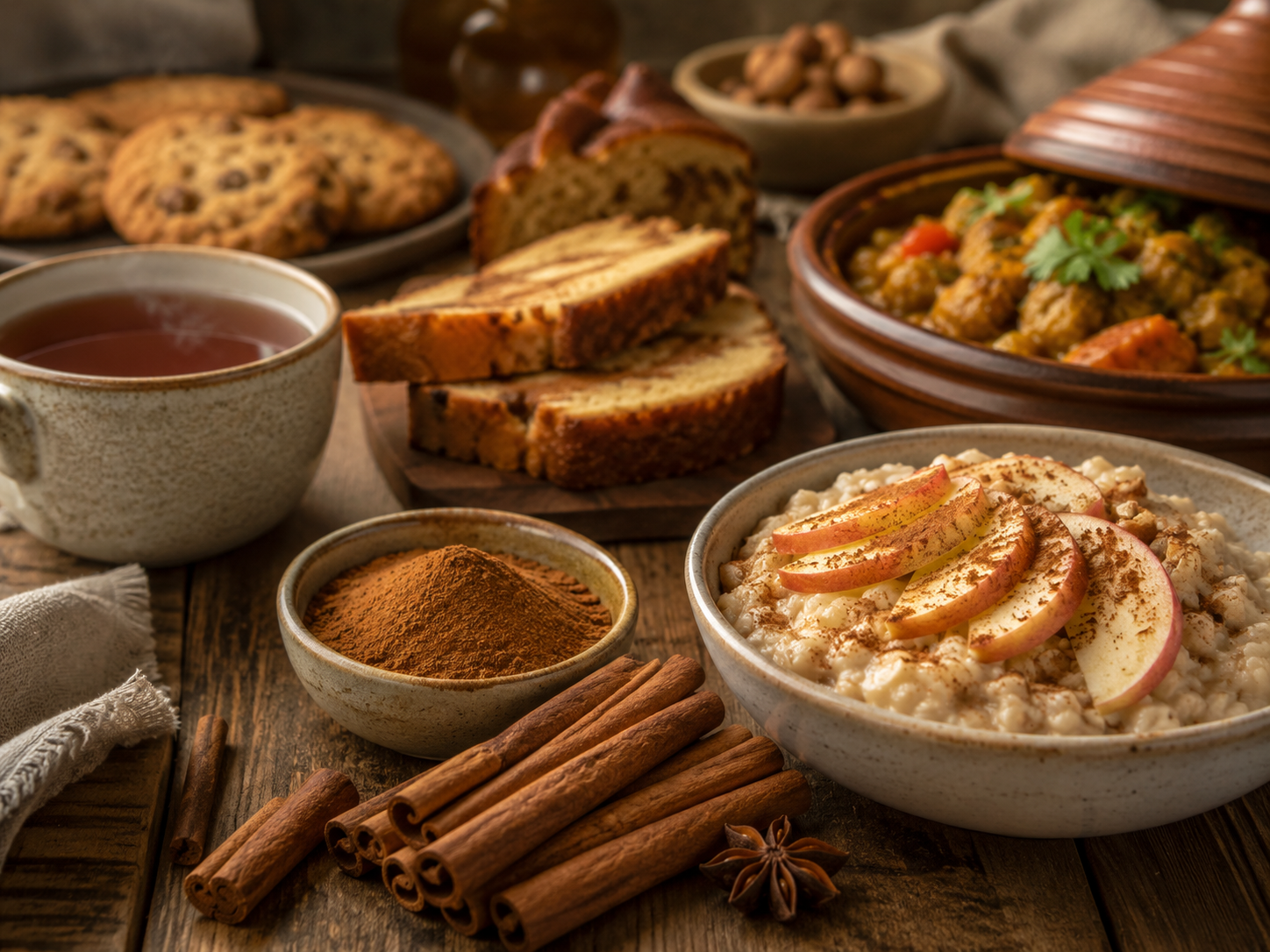
Cinnamon
Cinnamon is a sweet, warm, aromatic spice that works in both sweet and savory cooking. It is often used in baking, desserts, breakfast dishes, hot drinks, and festive recipes.
However, cinnamon is not only for sweet food. In many cuisines, it is also used in stews, rice dishes, meat recipes, and spice blends.
Best uses for cinnamon
Use cinnamon in oatmeal, cakes, cookies, fruit desserts, tea, coffee, mulled drinks, rice pudding, curries, tagines, and slow-cooked dishes.
Why you need it
Cinnamon adds warmth and natural sweetness. It is one of the most comforting spices for home cooking.
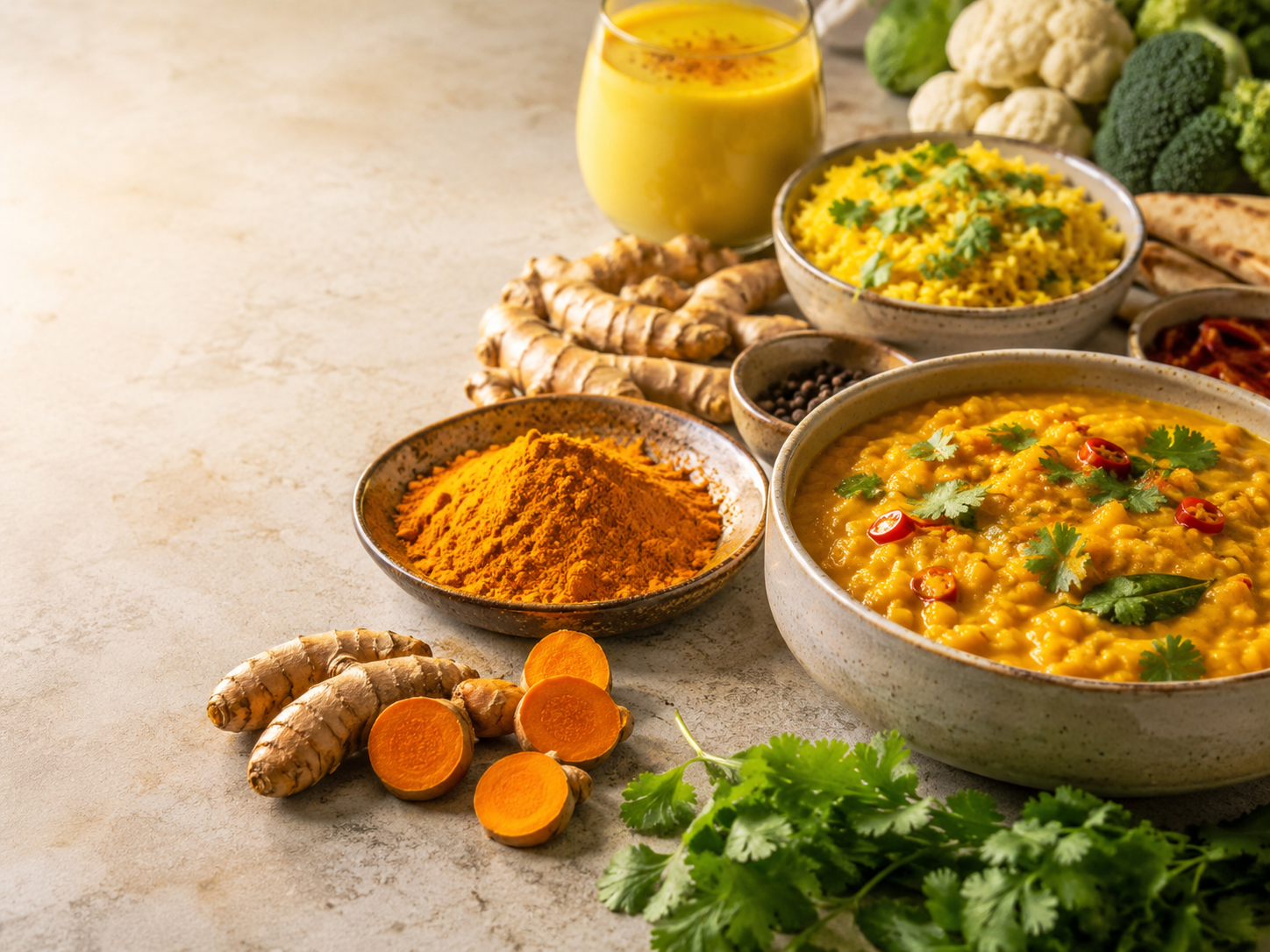
Turmeric
Turmeric is known for its bright golden color and earthy, slightly bitter flavor. It is widely used in Indian, Middle Eastern, and Southeast Asian cooking.
It is often used in curries, rice dishes, soups, lentils, sauces, and golden milk. Because turmeric has a strong color, a small amount is usually enough.
Best uses for turmeric
Use turmeric in curries, rice, lentil soup, vegetable dishes, stews, scrambled eggs, marinades, and warm drinks.
Why you need it
Turmeric adds color, earthiness, and warmth. It is especially useful in vegetarian, vegan, and plant-based cooking.

Chili Flakes
Chili flakes are perfect for adding controlled heat to food. They are made from dried crushed chili peppers and can range from mild to very spicy.
They are easy to sprinkle over finished dishes or add during cooking. A small pinch can brighten pasta, pizza, soups, roasted vegetables, and sauces.
Best uses for chili flakes
Use chili flakes in pasta sauces, pizza, stir-fries, soups, marinades, eggs, grilled vegetables, seafood, and spicy oils.
Why you need it
Chili flakes give you an easy way to add heat without changing the whole dish.

Cayenne Pepper
Cayenne pepper is hotter and more direct than chili flakes. It is usually used in small amounts to add strong heat.
Because cayenne is finely ground, it blends well into sauces, soups, marinades, and spice mixes. It is excellent when you want heat without visible chili pieces.
Best uses for cayenne pepper
Use cayenne in hot sauces, chili, curries, spicy soups, marinades, roasted nuts, grilled meat, and seasoning blends.
Why you need it
Cayenne is ideal when you want powerful heat in a small amount.

Oregano
Oregano is a dried herb rather than a spice, but it is essential for most kitchens. It has a bold, earthy, slightly bitter flavor that works especially well with tomato, olive oil, garlic, and lemon.
Oregano is strongly associated with Mediterranean cooking, especially Italian and Greek dishes.
Best uses for oregano
Use oregano in tomato sauces, pizza, pasta, roasted vegetables, grilled chicken, Greek salads, marinades, soups, and bread.
Why you need it
Oregano instantly gives dishes a Mediterranean flavor. It is one of the most useful dried herbs for everyday cooking.

Basil
Dried basil has a sweet, herbal flavor and is a useful pantry staple. While fresh basil has a brighter taste, dried basil is convenient for sauces, soups, and slow-cooked dishes.
It pairs especially well with tomatoes, garlic, olive oil, cheese, chicken, and vegetables.
Best uses for basil
Use basil in pasta sauces, tomato soup, pizza, casseroles, roasted vegetables, chicken dishes, and Mediterranean-style recipes.
Why you need it
Basil adds gentle herbal sweetness and works perfectly in many family-friendly meals.

Thyme
Thyme has a delicate earthy, floral, slightly minty flavor. It is a classic herb in European and Mediterranean cooking.
It works beautifully in slow-cooked dishes because its flavor becomes deeper over time. Thyme is especially good with potatoes, mushrooms, chicken, beans, and roasted vegetables.
Best uses for thyme
Use thyme in soups, stews, roasted potatoes, chicken, mushrooms, carrots, beans, casseroles, and sauces.
Why you need it
Thyme adds subtle depth and elegance. It is perfect for comforting home-cooked meals.

Rosemary
Rosemary has a strong pine-like, woody aroma. It is powerful, so it should be used carefully. A small amount can add a beautiful Mediterranean flavor.
Rosemary pairs especially well with potatoes, lamb, chicken, bread, olive oil, garlic, and roasted vegetables.
Best uses for rosemary
Use rosemary in roasted potatoes, focaccia, grilled meat, chicken, lamb, vegetable trays, marinades, and olive oil infusions.
Why you need it
Rosemary gives dishes a bold, rustic, aromatic flavor. It is perfect for roasted and baked recipes.

Bay Leaves
Bay leaves are used to add subtle depth to slow-cooked dishes. They are usually added whole during cooking and removed before serving.
Their flavor is not strong or obvious, but they help make soups, stews, sauces, beans, and broths taste more complete.
Best uses for bay leaves
Use bay leaves in soups, stocks, stews, tomato sauces, rice dishes, beans, lentils, and braised meat.
Why you need it
Bay leaves add background flavor and complexity, especially in long-cooked recipes.

Ginger Powder
Ground ginger has a warm, spicy, slightly sweet flavor. It is useful in both sweet and savory dishes.
It is common in baking, spice blends, Asian-inspired dishes, curries, marinades, tea, and winter drinks.
Best uses for ginger powder
Use ginger powder in cookies, cakes, tea, curries, stir-fries, marinades, soups, pumpkin dishes, and spice blends.
Why you need it
Ginger adds warmth and brightness. It is especially useful in baking and aromatic cooking.

Nutmeg
Nutmeg is a warm, sweet, slightly nutty spice. It is powerful, so a small pinch is usually enough.
It is commonly used in creamy sauces, mashed potatoes, baked goods, winter drinks, and desserts. It also works well with spinach, cheese, and pumpkin.
Best uses for nutmeg
Use nutmeg in béchamel sauce, mashed potatoes, spinach dishes, cakes, cookies, custards, hot chocolate, and festive drinks.
Why you need it
Nutmeg adds warmth and depth to creamy, sweet, and comforting dishes.

Curry Powder
Curry powder is a spice blend rather than a single spice. It usually contains turmeric, coriander, cumin, fenugreek, chili, and other spices.
It is not the same as traditional curry pastes or freshly blended Indian spice mixes, but it is very useful for quick home cooking.
Best uses for curry powder
Use curry powder in chicken curry, vegetable curry, lentils, rice, soups, roasted cauliflower, chickpeas, and sauces.
Why you need it
Curry powder is convenient and flavorful. It helps you create quick, aromatic meals with minimal effort.

Coriander
Ground coriander comes from the seeds of the coriander plant. It has a citrusy, slightly sweet, warm flavor.
It pairs well with cumin, turmeric, chili, garlic, ginger, and cinnamon. Coriander is common in Indian, Middle Eastern, Latin American, and Asian-inspired dishes.
Best uses for coriander
Use coriander in curries, soups, stews, marinades, roasted vegetables, lentils, chickpeas, and spice blends.
Why you need it
Coriander adds freshness and balance to warm spice blends. It is especially useful when cooking with cumin and turmeric.
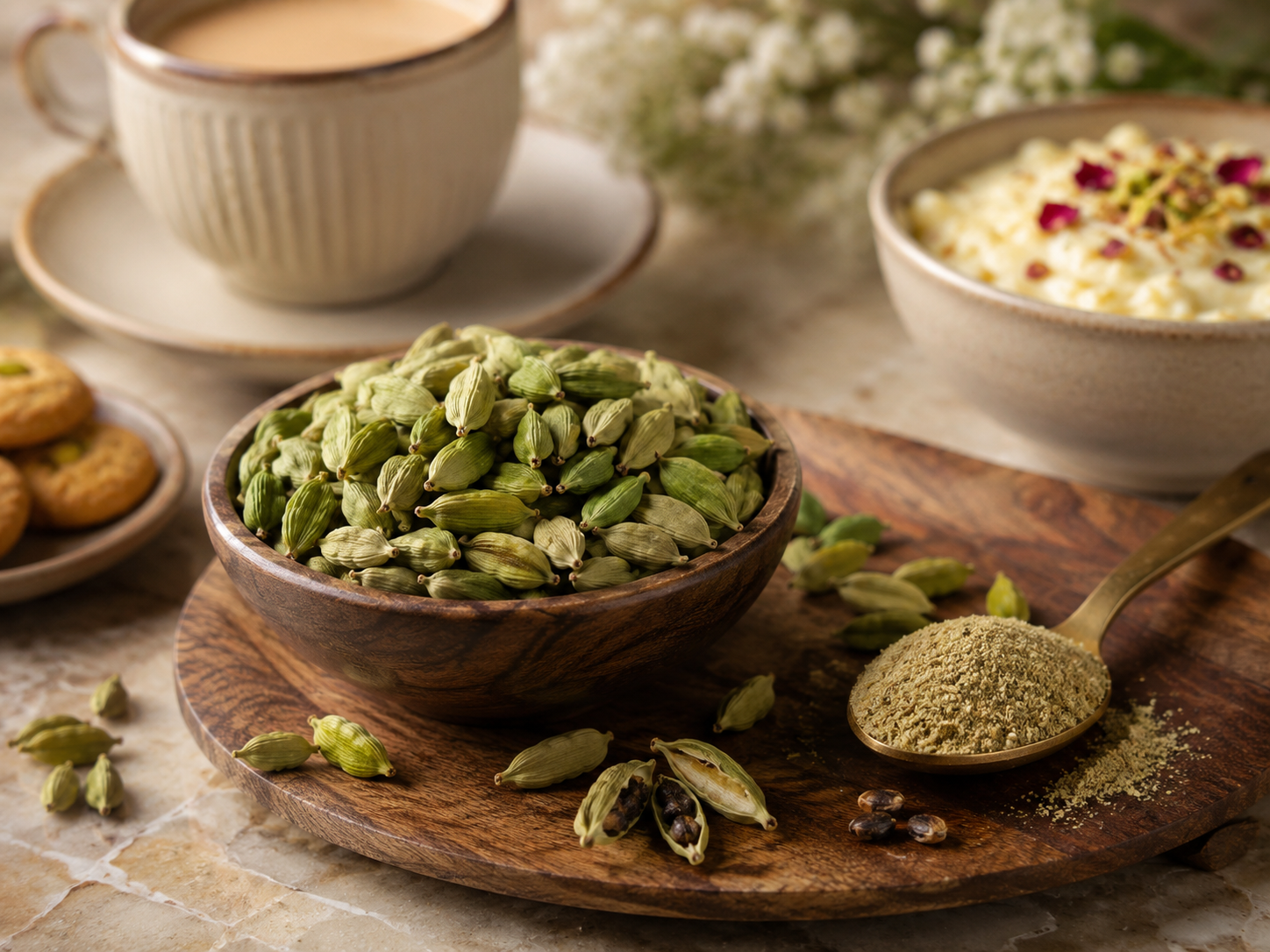
Cardamom
Cardamom is aromatic, sweet, floral, and slightly citrusy. It is one of the most distinctive spices and is often used in desserts, tea, coffee, rice dishes, and spice blends.
It is more special than some everyday spices, but it is worth having if you enjoy baking, chai, or Middle Eastern and Indian-inspired cooking.
Best uses for cardamom
Use cardamom in chai, coffee, rice pudding, cakes, cookies, curries, rice dishes, and warm desserts.
Why you need it
Cardamom adds a premium aromatic flavor that makes simple recipes feel more refined.

Cloves
Cloves have a strong, warm, sweet, slightly spicy flavor. They are very powerful, so they should be used in small amounts.
Whole cloves are often used in mulled drinks, stews, rice, and festive recipes. Ground cloves are common in baking and spice blends.
Best uses for cloves
Use cloves in mulled wine, chai, gingerbread, spice cakes, stews, rice dishes, marinades, and winter desserts.
Why you need it
Cloves add intense warmth and festive aroma. They are especially useful during autumn and winter cooking.

Mustard Seeds
Mustard seeds add mild heat, nuttiness, and texture. They are often used in Indian cooking, pickling, dressings, and spice blends.
When heated in oil, mustard seeds release a deeper, nuttier flavor. They are excellent for adding character to vegetables, potatoes, sauces, and legumes.
Best uses for mustard seeds
Use mustard seeds in pickles, curries, potato dishes, cabbage, lentils, salad dressings, marinades, and spice oils.
Why you need it
Mustard seeds add texture and sharpness. They are a great choice for cooks who want to expand beyond basic spices.
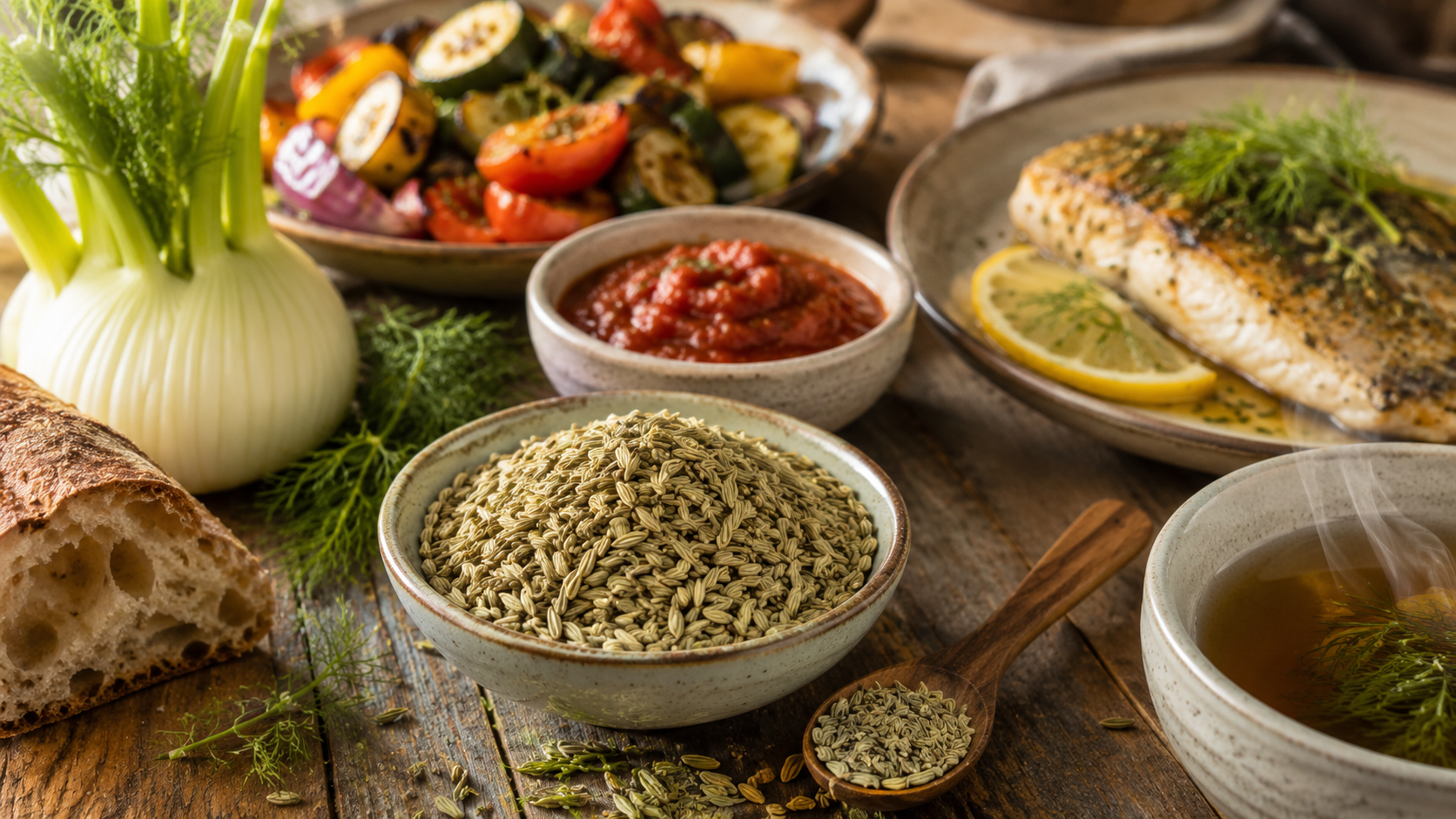
Fennel Seeds
Fennel seeds have a sweet, anise-like flavor. They are common in Mediterranean, Indian, and Middle Eastern cooking.
They pair well with pork, fish, bread, tomato sauces, roasted vegetables, and spice blends. They can be used whole, crushed, or toasted.
Best uses for fennel seeds
Use fennel seeds in sausages, tomato sauces, roasted vegetables, bread, fish dishes, curries, and herbal teas.
Why you need it
Fennel seeds add sweetness and aroma. They are especially good for rich or savory dishes that need balance.

Allspice
Allspice tastes like a combination of cinnamon, cloves, nutmeg, and pepper. Despite its name, it is a single spice.
It is common in Caribbean, Middle Eastern, and European cooking. It works in both sweet and savory recipes.
Best uses for allspice
Use allspice in stews, marinades, meat dishes, cakes, cookies, fruit desserts, pickles, and festive recipes.
Why you need it
Allspice is versatile and aromatic. It gives dishes warm complexity with just one ingredient.

Best Starter Spice Rack for Beginners
If you are building your spice collection from zero, start with the most versatile basics first. You can add more specialized spices later.
A good beginner spice rack should include:
- Black pepper
- Paprika
- Smoked paprika
- Garlic powder
- Onion powder
- Cumin
- Cinnamon
- Turmeric
- Chili flakes
- Oregano
- Basil
- Thyme
- Rosemary
- Bay leaves
- Curry powder
These spices cover a wide range of everyday meals, including pasta, soups, stews, roasted vegetables, meat dishes, rice dishes, sauces, curries, and marinades.

Best Spices for Mediterranean Cooking
Mediterranean cooking is fresh, aromatic, and full of simple ingredients. The most useful spices and herbs for Mediterranean recipes include oregano, basil, thyme, rosemary, paprika, garlic powder, black pepper, bay leaves, and fennel seeds.
These ingredients work beautifully with olive oil, tomatoes, lemon, fish, chicken, potatoes, beans, cheese, and grilled vegetables.
Use them for Greek salads, Italian tomato sauce, roasted vegetables, grilled meats, focaccia, pasta, soups, and seafood dishes.

Best Spices for Indian-Inspired Cooking
Indian-inspired cooking uses warm, layered, aromatic spices. The most useful options include cumin, coriander, turmeric, curry powder, chili powder, ginger, cinnamon, cardamom, cloves, mustard seeds, and black pepper.
These spices work especially well with lentils, chickpeas, rice, vegetables, chicken, yogurt sauces, and coconut milk.
For beginners, cumin, turmeric, coriander, and curry powder are the best starting point.

Best Spices for Mexican-Inspired Cooking
Mexican-inspired meals often use bold, earthy, smoky, and spicy flavors. Useful spices include cumin, smoked paprika, chili flakes, cayenne pepper, garlic powder, onion powder, oregano, black pepper, and coriander.
These spices are perfect for tacos, chili, beans, rice, roasted corn, grilled meat, chicken, sauces, and marinades.
Smoked paprika and cumin are especially important for creating deep, satisfying flavor.

Best Spices for Baking
Baking spices add warmth, sweetness, and aroma. The most important baking spices include cinnamon, ginger, nutmeg, cloves, cardamom, and allspice.
These spices work well in cakes, cookies, pies, muffins, pancakes, fruit desserts, porridge, hot drinks, and festive recipes.
Cinnamon is the best everyday baking spice, while nutmeg, cloves, and cardamom add more complexity.

Best Spices for Roasted Vegetables
Roasted vegetables become much more flavorful with the right spices. The best options include paprika, smoked paprika, garlic powder, onion powder, cumin, thyme, rosemary, chili flakes, turmeric, and black pepper.
For potatoes, use rosemary, garlic powder, paprika, and black pepper. For carrots, try cumin, thyme, and a touch of cinnamon. For cauliflower, use turmeric, curry powder, cumin, or smoked paprika.

Best Spices for Soups and Stews
Soups and stews need depth and balance. The best spices and herbs for slow-cooked dishes include bay leaves, thyme, black pepper, paprika, smoked paprika, cumin, coriander, garlic powder, onion powder, and rosemary.
Bay leaves and thyme are especially useful because they add subtle background flavor. Paprika and smoked paprika add color and warmth, while cumin and coriander add earthy complexity.
How to Store Spices Properly
Spices should be stored in a cool, dry, dark place. Heat, light, air, and moisture make spices lose their flavor faster.
Avoid storing spices next to the stove, above the oven, or near a sunny window. These places may look convenient, but they can reduce the quality of your spices over time.
Use airtight jars or containers and keep the lids closed tightly. If possible, label each jar with the purchase date so you know when it is time to replace older spices.
How Long Do Spices Last?
Spices do not usually spoil in the same way as fresh food, but they lose flavor over time. Ground spices usually have the best flavor within one to two years. Whole spices can last longer because they keep their essential oils better.
Dried herbs often lose aroma faster than whole spices. If a spice smells weak or dusty, it is probably time to replace it.
The easiest test is simple: smell the spice. If the aroma is still strong, it is still useful. If it has almost no smell, it will not add much flavor to your food.
How Long Do Spices Last?
Spices do not usually spoil in the same way as fresh food, but they lose flavor over time. Ground spices usually have the best flavor within one to two years. Whole spices can last longer because they keep their essential oils better.
Dried herbs often lose aroma faster than whole spices. If a spice smells weak or dusty, it is probably time to replace it.
The easiest test is simple: smell the spice. If the aroma is still strong, it is still useful. If it has almost no smell, it will not add much flavor to your food.
Whole Spices vs Ground Spices
Ground spices are convenient and easy to use. They are best for quick cooking, sauces, rubs, and everyday meals.
Whole spices usually have a stronger and fresher flavor because they keep their aroma longer. They can be toasted and ground before cooking for better taste.
For most home kitchens, a mix of both is ideal. Keep everyday spices like paprika, cumin, turmeric, cinnamon, and garlic powder in ground form. Choose whole spices for black pepper, cloves, cardamom, mustard seeds, fennel seeds, and bay leaves.
How to Use Spices Without Overpowering Food
The best way to use spices is to start small. You can always add more, but you cannot easily remove too much spice once it is in the dish.
For most recipes, begin with half a teaspoon of a strong spice and adjust from there. Powerful spices like cayenne, cloves, nutmeg, and cardamom should be used carefully.
It also helps to balance spices with salt, acid, fat, and sweetness. Lemon juice, vinegar, olive oil, butter, yogurt, honey, or tomatoes can soften strong flavors and make the dish taste more balanced.
How to Use Spices Without Overpowering Food
The best way to use spices is to start small. You can always add more, but you cannot easily remove too much spice once it is in the dish.
For most recipes, begin with half a teaspoon of a strong spice and adjust from there. Powerful spices like cayenne, cloves, nutmeg, and cardamom should be used carefully.
It also helps to balance spices with salt, acid, fat, and sweetness. Lemon juice, vinegar, olive oil, butter, yogurt, honey, or tomatoes can soften strong flavors and make the dish taste more balanced.
Simple Spice Combinations for Everyday Cooking
Once you understand basic spices, you can combine them to create quick homemade blends.
Mediterranean blend
Mix oregano, basil, thyme, rosemary, garlic powder, onion powder, and black pepper. Use it for pasta, chicken, vegetables, potatoes, and salads.
Smoky barbecue-style blend
Mix smoked paprika, garlic powder, onion powder, black pepper, chili flakes, and a little brown sugar. Use it for grilled meat, roasted vegetables, burgers, and marinades.
Curry-style blend
Mix turmeric, cumin, coriander, ginger, chili, and black pepper. Use it for lentils, chickpeas, rice, vegetables, and chicken.
Taco-style blend
Mix cumin, smoked paprika, chili flakes, garlic powder, onion powder, oregano, and black pepper. Use it for tacos, beans, rice, minced meat, and roasted vegetables.
Warm baking blend
Mix cinnamon, ginger, nutmeg, cloves, and cardamom. Use it for cookies, cakes, oatmeal, pancakes, and hot drinks.
Common Mistakes When Buying Spices
One common mistake is buying too many spices at once. It is better to start with a smaller selection of useful spices and use them regularly.
Another mistake is buying large packages that sit unused for years. Unless you cook with a spice often, smaller jars are usually better.
Many people also keep old spices for too long. While old spices may not be dangerous, they can make food taste dull. Fresh, aromatic spices make a noticeable difference.
Finally, avoid choosing spices only by price. Quality matters. Better spices usually have stronger aroma, better color, and more flavor, so you need less of them in your cooking.
Final Thoughts: Build a Spice Rack That Matches How You Cook
The best spice rack is not the biggest one. It is the one you actually use. Start with essential spices like black pepper, paprika, cumin, cinnamon, turmeric, garlic powder, onion powder, oregano, thyme, rosemary, chili flakes, and bay leaves. These spices will help you cook a wide range of meals with more flavor and confidence.
As you cook more, add spices that match your favorite cuisines. If you love Mediterranean food, focus on oregano, basil, thyme, rosemary, paprika, and fennel seeds. If you enjoy Indian-inspired dishes, add coriander, cardamom, cloves, mustard seeds, and ginger. If you like spicy food, keep chili flakes, cayenne, smoked paprika, and cumin close by.
A well-stocked spice collection makes cooking easier, more creative, and more enjoyable. With just a few essential spices, you can turn simple ingredients into flavorful meals every day.