Best Tea for Sleep and Relaxation

Best Tea for Sleep and Relaxation

Best Tea for Sleep and Relaxation

Best Tea for Sleep and Relaxation: Calming Herbal Teas for a Better Evening Routine

A calm evening often begins with a simple ritual. For many people, that ritual is a warm cup of tea. The right tea can help you slow down, step away from screens, relax after a busy day, and create a gentle bedtime routine that signals to your body: it is time to unwind.

When people search for the best tea for sleep and relaxation, they are usually looking for something caffeine-free, soothing, gentle on the stomach, and pleasant enough to enjoy every evening. Herbal teas are often the best choice because they are naturally caffeine-free and made from calming herbs, flowers, roots, fruits, and spices.

This guide explains which teas are best for sleep and relaxation, what ingredients to look for, when to drink them, and how to choose the right blend for your evening routine.

What Is the Best Tea for Sleep?

The best tea for sleep is usually a caffeine-free herbal tea made with calming ingredients such as lemon balm, lavender, chamomile, valerian, hops, fennel, mint, or other gentle botanicals.

Unlike black tea, green tea, white tea, oolong tea, or matcha, herbal tea is not made from the Camellia sinensis tea plant. This means most herbal infusions are naturally caffeine-free, making them a better choice in the evening.

A good bedtime tea should be:

  • Naturally caffeine-free
  • Gentle and comforting
  • Easy to drink without sugar
  • Pleasantly aromatic
  • Suitable for an evening ritual
  • Made with herbs traditionally associated with calm and relaxation

The goal is not to “knock you out” like a sleeping pill. A good relaxation tea works best as part of a consistent bedtime routine. It helps create a quiet moment, encourages slower breathing, and replaces stimulating evening habits such as coffee, alcohol, heavy snacks, or screen time.

Why Herbal Tea Is a Good Evening Drink

Herbal tea is one of the simplest drinks to add to your evening routine because it combines warmth, aroma, hydration, and ritual. Even before considering the specific herbs, the act of preparing tea can be relaxing.

Boiling water, measuring loose leaf tea, waiting for it to steep, holding a warm cup, and drinking slowly all help create a natural pause in the day. This is one of the reasons tea works so well as an evening habit. It gives your mind and body a clear transition from activity to rest.

Herbal tea is also a good alternative to drinks that may interfere with sleep. Coffee, energy drinks, green tea, black tea, matcha, and some soft drinks contain caffeine. Alcohol may make you feel sleepy at first, but it can disturb sleep quality later in the night. A caffeine-free herbal tea is a gentler option when you want something warm and comforting before bed.

Best Tea Ingredients for Sleep and Relaxation

Different herbs have different flavour profiles and traditional uses. Some are floral and calming, some are sweet and warming, and others are fresh and soothing. The best tea for you depends on whether you prefer a soft floral tea, a naturally sweet herbal blend, a stronger botanical infusion, or a mild everyday evening tea.

Lemon Balm Tea

1. Lemon Balm Tea

Lemon balm is one of the most popular herbs in calming herbal blends. It has a soft lemony aroma without the sharpness of citrus fruit. The flavour is gentle, fresh, and slightly sweet, which makes it easy to enjoy in the evening.

Lemon balm works well in bedtime blends because it pairs beautifully with lavender, fennel, valerian, hops, mint, and other herbs. It is a good choice if you want a tea that feels light and calming rather than heavy or medicinal.

Best for: evening relaxation, after-work tea, screen-free wind-down time, gentle herbal blends.

Lavender Tea

2. Lavender Tea

Lavender is strongly associated with calm, rest, and relaxation. It has a floral aroma that many people connect with spa treatments, pillows, bath products, and evening routines.

As a tea ingredient, lavender is aromatic and distinctive. A little goes a long way. When blended well, it adds a soft floral note without becoming too perfumed. Lavender pairs especially well with lemon balm, rosemary, chamomile, mint, and mild fruit notes.

Best for: relaxing evenings, self-care rituals, floral tea lovers, slow bedtime routines.

Chamomile Tea

3. Chamomile Tea

Chamomile is one of the classic bedtime herbs. It has a gentle floral taste with a soft apple-like note. Many people enjoy chamomile tea because it is mild, familiar, and naturally caffeine-free.

Chamomile is often used in simple bedtime teas and relaxation blends. It is a good starting point if you are new to herbal tea because the flavour is not too intense. It can be enjoyed alone or blended with lavender, lemon balm, fennel, honeybush, rooibos, or mild spices.

Best for: beginners, simple bedtime tea, light floral flavour, caffeine-free evening drinking.

Lavender Tea

4. Valerian Tea

Valerian is a stronger herbal ingredient often found in teas designed specifically for sleep and deep relaxation. It has a more earthy, root-like flavour, so it is usually blended with more pleasant herbs such as lemon balm, lavender, fennel, licorice root, or hops.

Valerian is best suited to people who already enjoy herbal teas and want a more traditional bedtime blend. Because it is a stronger botanical ingredient, it is important to use it responsibly. People who are pregnant, breastfeeding, taking medication, using sedatives, drinking alcohol, or managing health conditions should check with a healthcare professional before regular use.

Best for: stronger evening blends, occasional bedtime rituals, experienced herbal tea drinkers.

Hops Flower Tea

5. Hops Flower Tea

Hops are best known as an ingredient in beer, but hops flowers are also used in herbal infusions. Their flavour is herbal, slightly bitter, and deeply botanical. In sleep-focused teas, hops are usually blended with lemon balm, valerian, lavender, or fennel.

Hops can add depth to a relaxation tea and make the blend feel more grounded. Because the flavour can be strong, it is usually better in a balanced blend than as a single-herb infusion.

Best for: botanical bedtime blends, deeper herbal flavour, evening relaxation teas.

Lavender Tea

6. Fennel Tea

Fennel has a naturally sweet, warming flavour with a soft anise-like note. It is often used in digestive herbal teas, but it also works beautifully in evening blends because it makes the tea feel smooth and comforting.

Fennel is a good choice after dinner, especially if you want a tea that feels warm, rounded, and naturally sweet without added sugar. It blends well with lemon balm, licorice root, lavender, chamomile, and mint.

Best for: after-dinner tea, naturally sweet herbal blends, gentle evening comfort.

Mint Tea

7. Mint Tea

Mint is fresh, cooling, and refreshing. While it is not always thought of as a bedtime herb, it can be very useful in the evening, especially after a heavy meal or when you want a clean, light herbal infusion.

Peppermint and spearmint teas are naturally caffeine-free and can be enjoyed after dinner. Mint is especially good for people who dislike floral teas or want something fresh rather than sweet.

Best for: after-dinner tea, fresh taste, non-floral herbal tea, light evening drinking.

Rooibos Tea

8. Rooibos Tea

Rooibos is naturally caffeine-free and has a smooth, slightly sweet, earthy taste. It is not technically a true tea, but it is one of the best evening drinks for people who want something fuller than a light herbal infusion.

Rooibos works well with vanilla, cinnamon, orange peel, cocoa, spices, fruit, honeybush, and other warming ingredients. It is a great option if you want a caffeine-free alternative to black tea in the evening.

Best for: caffeine-free black tea alternative, cosy evenings, naturally sweet blends, milk-friendly tea.

Recommended Leaf & Spice Teas for Sleep and Relaxation

Here are some relevant products from the Leaf & Spice herbal tea and wellness tea collections that fit naturally into a sleep and relaxation article.

Chamomile Tea

Alveus Calm Down Organic Herbal Tea

Alveus Calm Down Organic Herbal Tea is one of the most relevant choices for an evening relaxation routine. It is a caffeine-free organic herbal blend with lemon balm, fennel, licorice root, rosemary, sage, lavender, hops flower, and valerian.

This makes it especially suitable for people who want a more traditional calming herbal tea with several classic relaxation ingredients in one blend. Lemon balm and lavender bring a softer aromatic character, while fennel and licorice root add natural sweetness. Hops flower and valerian give the blend a deeper herbal profile.

Best for: evening routines, slow nights, reading time, post-work relaxation, people looking for a more complete calming herbal blend.

Shop Alveus Calm Down Organic Herbal Tea

Chamomile Tea

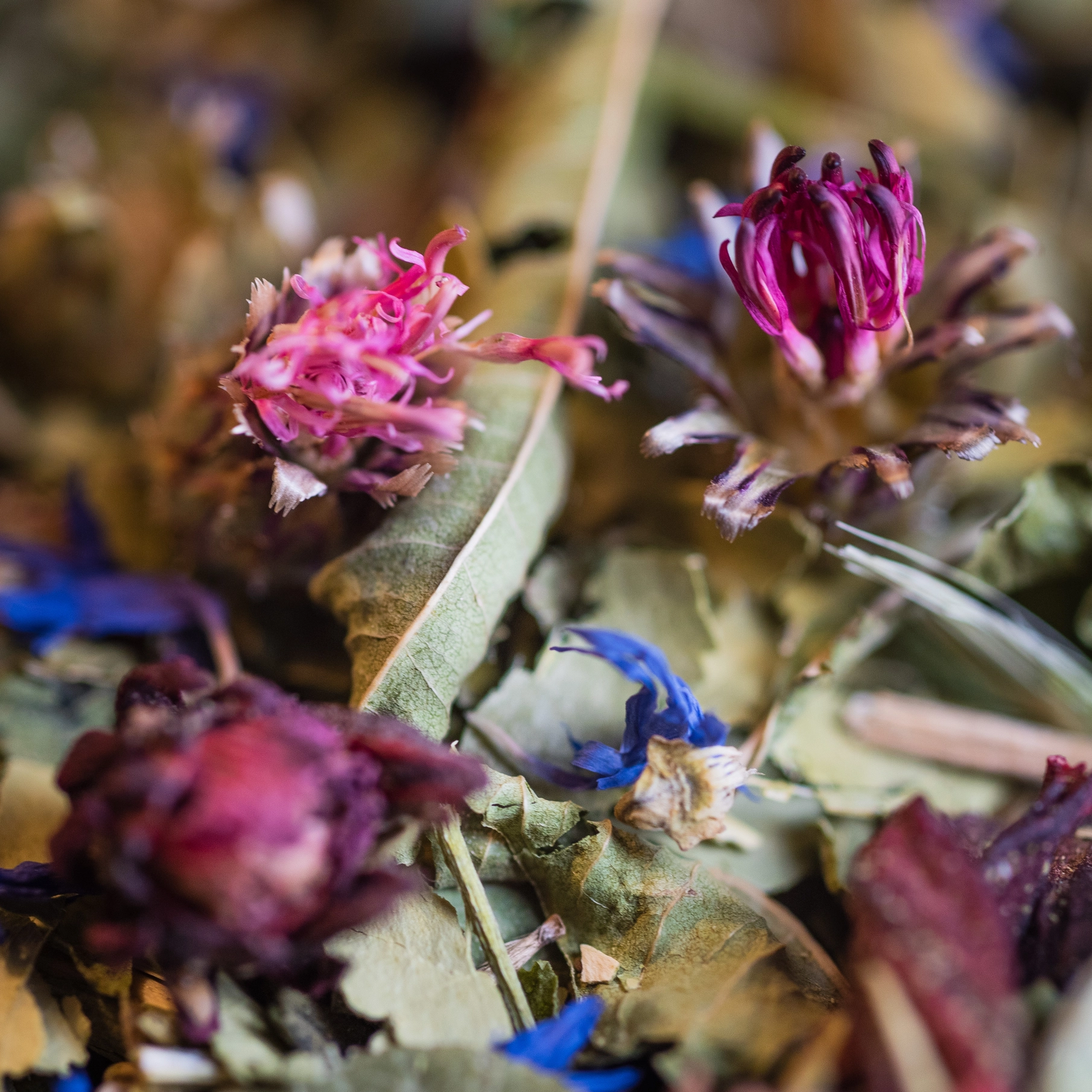
Dream & Relax Organic Herbal Tea Selection

Dream & Relax Organic Herbal Tea Selection is a good option for customers who want variety instead of one single tea. A tea selection can work well for people who are still discovering what type of bedtime tea they prefer.

Some evenings may call for a soft floral infusion, while others may suit a deeper herbal blend or a naturally sweet tea. A relaxation tea selection makes the evening ritual more flexible and also works well as a gift.

Best for: gifting, trying different bedtime teas, evening tea variety, wellness routines.
Shop Dream & Relax Organic Herbal Tea Selection

Chamomile Tea

Organic Bonne Soirée Evening Herbal Tea

Organic Bonne Soirée Evening Herbal Tea is positioned perfectly for night-time tea content because the name itself suggests a pleasant evening ritual. This type of tea is ideal for readers who want something simple, elegant, and specifically suited to the end of the day.

It can be recommended as a gentle cup after dinner, during reading, before journaling, or as part of a screen-free bedtime routine.

Best for: evening tea, bedtime ritual, elegant herbal tea, relaxed nights.

Shop Organic Bonne Soirée Evening Herbal Tea

Chamomile Tea

Organic Lavender Flower Infusion

Organic Lavender Flower Infusion is a great choice for people who love floral teas and want a simple, aromatic herbal infusion. Lavender is strongly associated with relaxation, and a pure lavender infusion can be used alone or blended at home with other herbs.

Because lavender has a distinctive flavour, it is best for people who enjoy floral aromas. It can also be used creatively in tea lattes, evening infusions, or as a small addition to other herbal blends.

Best for: lavender lovers, floral tea, self-care routines, calming evening moments.

Shop Organic Lavender Flower Infusion

Chamomile Tea

Creano Organic Soft Mood Herbal Tea

Creano Organic Soft Mood Herbal Tea is a good recommendation for readers who want a light, approachable herbal tea for relaxation rather than a strong bedtime blend. The name and format make it suitable for everyday calm moments, not only right before sleep.

This can be a good tea for late afternoon, after work, or early evening when customers want to shift into a calmer mood without choosing something too intense.

Best for: gentle relaxation, afternoon calm, daily self-care, easy herbal tea.

Shop Creano Organic Soft Mood Herbal Tea

Chamomile Tea

Amour Provence Organic Herbal Tea with Lavender, Rosemary & Lemon

Amour Provence Organic Herbal Tea is a beautiful choice for readers who enjoy Mediterranean flavours and aromatic herbs. Lavender brings a floral note, rosemary adds a fragrant herbal depth, and lemon gives brightness.

This tea is especially suitable for people who want a relaxing herbal tea that still feels fresh and elegant. It is less about being a heavy sleep tea and more about creating a calm, enjoyable evening moment.

Best for: aromatic herbal tea, Mediterranean-inspired flavour, floral and citrus notes, relaxed evenings.

Shop Amour Provence Organic Herbal Tea

Best Tea for Sleep: Quick Comparison

Tea TypeBest ForFlavour Profile
Lemon balm teaGentle relaxation

Fresh, lemony, herbal

Lavender teaCalm evening rituals

Floral, aromatic

Chamomile teaSimple bedtime tea

Soft, floral, mild

Valerian blendsStronger bedtime routine

Earthy, herbal

Hops blendsDeep botanical relaxation

Herbal, slightly bitter

Fennel teaAfter-dinner comfort

Naturally sweet, warming

Mint teaFresh evening tea

Cooling, clean, refreshing

Rooibos teaCaffeine-free black tea alternative

Smooth, earthy, slightly sweet

What Tea Should You Avoid Before Bed?

Not every tea is ideal before sleep. Some teas contain caffeine and are better enjoyed earlier in the day.

Avoid these teas close to bedtime if you are sensitive to caffeine:

  • Black tea
  • Green tea
  • White tea
  • Oolong tea
  • Matcha
  • Yerba mate
  • Chai blends with black tea or matcha
  • Some wellness blends that include green tea

This does not mean these teas are unhealthy. In fact, many of them are excellent daytime teas. But if your goal is better sleep, relaxation, and a calmer evening, caffeine-free herbal tea is usually the better choice.

A simple rule: enjoy caffeinated tea in the morning or early afternoon, and switch to herbal tea in the evening.

When Is the Best Time to Drink Tea for Sleep?

The best time to drink tea for sleep is usually 30 to 60 minutes before bed. This gives you enough time to enjoy the tea slowly without drinking too much liquid immediately before lying down.

A good evening tea routine could look like this:

  1. Finish dinner.
  2. Dim the lights slightly.
  3. Put away work, emails, and stimulating tasks.
  4. Prepare a caffeine-free herbal tea.
  5. Let it steep properly.
  6. Drink slowly while reading, journaling, stretching, or relaxing.
  7. Avoid screens or bright light where possible.
  8. Go to bed at a consistent time.

Tea works best when it becomes part of a repeated ritual. Your body starts to associate the warm drink, aroma, and quiet moment with the transition to sleep.

How to Prepare Bedtime Tea Properly

Herbal teas often need a longer steeping time than green or black tea. This is because herbs, roots, flowers, seeds, and spices release their flavour more slowly.

For most herbal teas:

  • Use freshly boiled water.
  • Use 1–2 teaspoons of loose herbal tea per cup.
  • Steep for 5–8 minutes.
  • Cover the cup while steeping to keep the aroma inside.
  • Drink plain, or add a small amount of honey if desired.
  • Avoid adding too much sugar before bed.

If the tea contains stronger roots or herbs, a slightly longer steeping time may create a fuller flavour. If the tea tastes too intense, use less tea next time or steep for a shorter time.

Loose Leaf Tea or Tea Bags: Which Is Better for Sleep?

Both loose leaf tea and tea bags can be good for sleep and relaxation. The better choice depends on your lifestyle.

Loose leaf herbal tea is ideal if you enjoy a slower ritual and want a fuller sensory experience. You can see the herbs, smell the blend, and adjust the strength more easily.

Tea bags are convenient when you want something quick, simple, and easy to prepare. They are also practical for travel, office use, and gifting.

For a bedtime routine, loose leaf tea can feel more calming because the preparation itself becomes part of the ritual. But if convenience helps you stay consistent, tea bags are also a good choice.

How to Choose the Best Sleep Tea for Your Taste

The best bedtime tea is the one you will actually enjoy drinking regularly. A tea can contain all the right herbs, but if you dislike the taste, it will not become part of your evening routine.

Choose based on flavour:

  • If you like floral teas: try lavender or chamomile blends.
  • If you like fresh teas: try lemon balm or mint.
  • If you like naturally sweet teas: try fennel, licorice root, or rooibos.
  • If you like deep herbal teas: try blends with valerian or hops.
  • If you dislike strong herbal flavours: start with a softer mood tea or an evening herbal selection.
  • If you want variety: choose a relaxation tea selection or gift box.

Best Tea for Relaxation During the Day

Sleep tea is usually for bedtime, but relaxation tea can also be enjoyed during the day. If you feel stressed, overstimulated, or mentally tired, a caffeine-free herbal tea can help you pause for a few minutes.

For daytime relaxation, choose lighter blends such as lemon balm, mint, soft herbal mood teas, or lavender blends with citrus. Stronger valerian blends are usually better saved for the evening.

A relaxing tea break during the day can be especially useful:

  • After a long meeting
  • During a work break
  • Before meditation or stretching
  • After lunch
  • When replacing an extra coffee
  • During a quiet afternoon reset

Can Tea Really Help You Sleep?

Tea is not a cure for insomnia, and herbal teas should not be presented as medical treatments. However, tea can support better evening habits. The warmth, aroma, lack of caffeine, and calming ritual can all help create a more sleep-friendly routine.

A bedtime tea may be especially helpful when combined with good sleep habits, such as:

  • Going to bed at a consistent time
  • Avoiding caffeine late in the day
  • Reducing screen time before bed
  • Keeping the bedroom cool and dark
  • Avoiding heavy meals late at night
  • Creating a relaxing evening routine
  • Managing stress during the day

Think of herbal tea as a supportive ritual, not a medical solution. If sleep problems are frequent, severe, or long-lasting, it is best to speak with a healthcare professional.

Safety Notes for Herbal Sleep Teas

Most herbal teas are gentle when consumed in normal food-like amounts, but some herbs require extra care.

Be cautious with herbal sleep teas if you:

  • Are pregnant or breastfeeding
  • Take medication
  • Use sedatives or sleep medication
  • Drink alcohol in the evening
  • Have high blood pressure
  • Have liver disease
  • Have allergies to certain plants
  • Are buying tea for children
  • Plan to drive or operate machinery after drinking stronger herbal blends

Blends containing valerian, licorice root, hops, or other stronger botanicals should be used responsibly. Always read the product ingredients and preparation notes before regular use.

Best Evening Routine with Tea

A relaxing tea routine does not need to be complicated. The simpler it is, the easier it becomes to repeat.

Try this routine:

  • 60 minutes before bed

    Turn down bright lights, stop work tasks, and avoid checking emails. Choose a caffeine-free herbal tea.

  • 45 minutes before bed

    Prepare your tea slowly. Let it steep fully and enjoy the aroma before drinking.

  • 30 minutes before bed

    Drink your tea while doing something calm: reading, journaling, listening to soft music, or preparing for the next day.

  • 15 minutes before bed

    Brush your teeth, put your phone away, and keep the room quiet and cool.

  • Bedtime

    Go to bed at a consistent time and let the routine repeat the next evening.

    The power of bedtime tea is consistency. One cup may feel pleasant, but a repeated evening ritual can become a strong signal for relaxation.

Best Tea for Sleep and Relaxation: Final Recommendation

The best tea for sleep and relaxation is a caffeine-free herbal tea that you enjoy drinking in the evening. Look for calming ingredients such as lemon balm, lavender, chamomile, valerian, hops, fennel, mint, or rooibos.

For a stronger bedtime blend, choose a tea with lemon balm, lavender, hops, and valerian. For a gentler everyday tea, choose chamomile, lavender, lemon balm, mint, or a soft herbal mood blend. For variety, a dream and relaxation tea selection is a great choice.

If you are shopping at Leaf & Spice, good options to explore include:

A warm cup of herbal tea will not solve every sleep problem, but it can make your evenings calmer, more intentional, and more enjoyable. Choose a blend you love, prepare it slowly, and let your nightly tea become a small ritual of rest.

FAQ: Best Tea for Sleep and Relaxation

  • What is the best tea to drink before bed?

    The best tea before bed is usually a caffeine-free herbal tea. Popular choices include chamomile, lavender, lemon balm, valerian blends, fennel, mint, and rooibos.

  • Is herbal tea good for sleep?

    Herbal tea can support a relaxing bedtime routine, especially when it is caffeine-free and enjoyed consistently before bed. It should not be treated as medicine, but it can be a helpful part of a calm evening ritual.

  • Is chamomile tea good before bed?

    Chamomile tea is one of the most popular bedtime teas. It is naturally caffeine-free, mild, floral, and easy to drink in the evening.

  • Is lavender tea good for relaxation?

    Lavender tea is a good choice for relaxation if you enjoy floral flavours. It has a calming aroma and works well alone or blended with lemon balm, chamomile, rosemary, or citrus notes.

  • Does valerian tea help with sleep?

    Valerian is traditionally used in bedtime blends, but evidence is mixed and it may not be suitable for everyone. People taking medication, using sedatives, drinking alcohol, pregnant or breastfeeding, or managing health conditions should ask a healthcare professional before using valerian regularly.

  • What tea should I avoid before sleep?

    Avoid caffeinated teas close to bedtime, especially black tea, green tea, white tea, oolong tea, matcha, yerba mate, and chai blends that contain black tea or matcha.

  • When should I drink bedtime tea?

    A good time to drink bedtime tea is around 30 to 60 minutes before sleep. This gives you time to enjoy the tea slowly and make it part of your evening routine.

  • Can I drink herbal tea every night?

    Many people drink herbal tea every night as part of a relaxing routine. However, check the ingredients if the tea contains stronger herbs such as valerian, licorice root, or hops, especially if you have health conditions or take medication.

Continue reading

What Is Matcha Tea?

What Is Matcha Tea?

What Is Matcha Tea?

What Is Matcha Tea? A Complete Guide to Japan’s Vibrant Green Tea Powder

Matcha tea is one of the most popular green teas in the world, known for its bright green color, smooth taste, gentle energy boost, and rich cultural history. Unlike regular green tea, where tea leaves are steeped in hot water and then removed, matcha is made from finely ground green tea leaves that are whisked directly into water or milk. This means you consume the whole tea leaf, giving matcha its distinctive flavor, creamy texture, natural caffeine content, and concentrated plant compounds.

Today, matcha is enjoyed in many ways. Some people drink traditional matcha tea as part of a calm morning ritual. Others prefer a matcha latte, iced matcha, matcha smoothies, or desserts made with matcha powder. Whether you are new to green tea or already love Japanese teas, matcha is a unique ingredient that offers both flavor and function.

In this guide, we explain what matcha tea is, how it is made, what it tastes like, how much caffeine it contains, how to prepare it, and how to choose good-quality matcha powder.

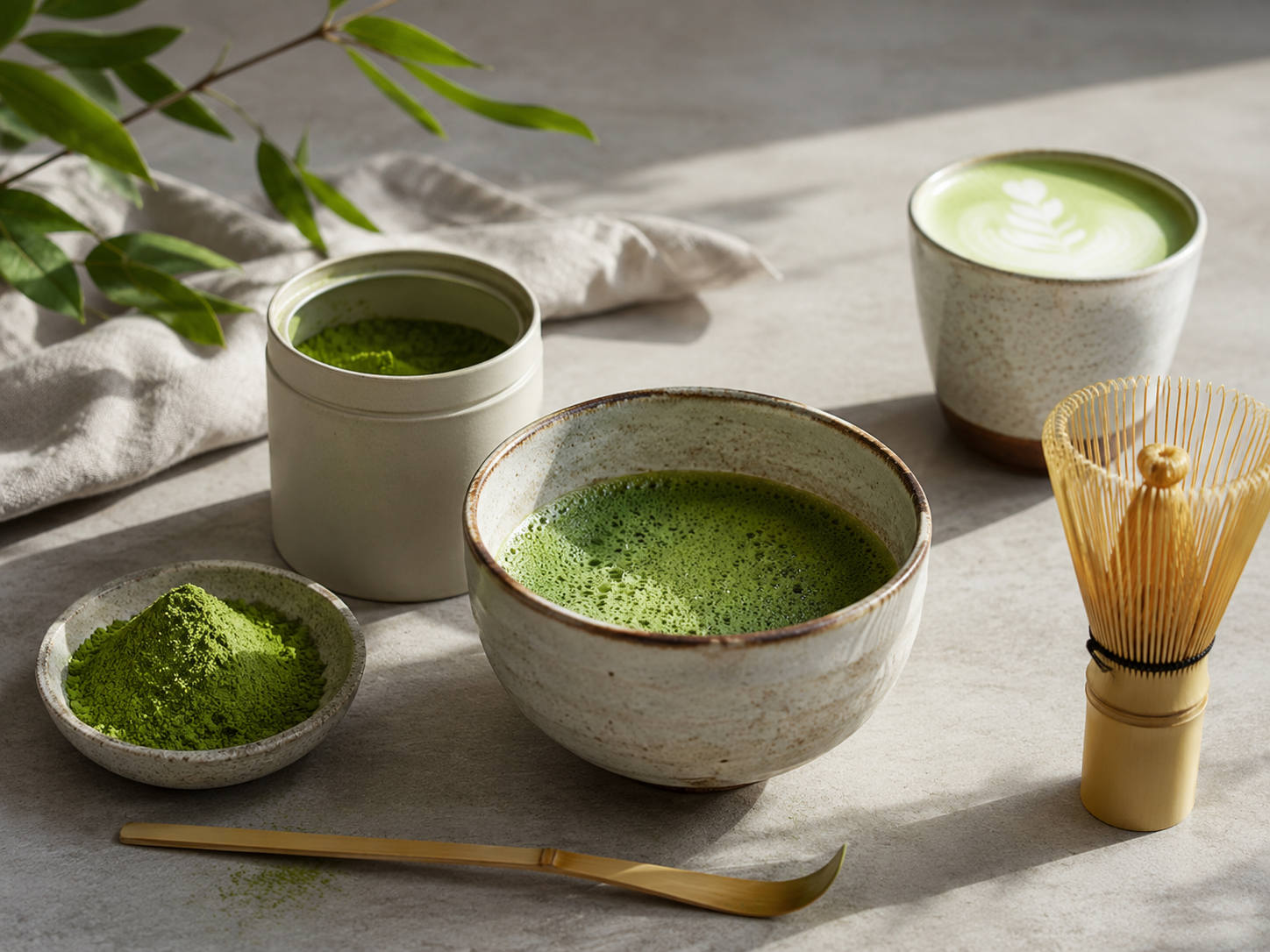
Matcha Tea

What Is Matcha Tea?

Matcha tea is a type of powdered Japanese green tea made from specially grown and processed tea leaves. The word “matcha” generally means finely ground tea powder. It is traditionally made from shade-grown tea leaves, which are harvested, steamed, dried, and ground into a very fine powder.

The biggest difference between matcha and regular green tea is how you drink it. With regular green tea, the leaves are infused in water and then removed. With matcha, the entire leaf is ground into powder and mixed into the drink. Because of this, matcha has a stronger flavor, thicker texture, deeper green color, and more concentrated nutrients than many standard green teas.

Matcha is most closely associated with Japan, where it has been used for centuries in tea ceremonies. However, it is now popular around the world as a daily wellness drink, coffee alternative, latte base, baking ingredient, and premium tea experience.

How Is Matcha Made?

How Is Matcha Made?

High-quality matcha begins in the tea fields. The process is careful and detailed, which is one reason premium matcha is often more expensive than ordinary green tea.

1. The Tea Plants Are Shade-Grown

Several weeks before harvest, tea plants used for matcha are covered to reduce direct sunlight. This shading process encourages the leaves to produce more chlorophyll, which gives matcha its bright green color. It also helps develop a smoother, richer taste with more umami and less bitterness.

2. The Leaves Are Harvested

The youngest and most tender tea leaves are usually selected for higher-quality matcha. These leaves produce a smoother flavor and finer powder.

3. The Leaves Are Steamed

After harvesting, the tea leaves are quickly steamed. This stops oxidation and helps preserve the green color, fresh aroma, and delicate flavor of the leaves.

4. The Leaves Are Dried and Sorted

The stems and veins are usually removed, leaving behind the soft leaf material known as tencha. Tencha is the raw material used to make matcha.

5. The Leaves Are Ground Into Powder

The dried leaves are slowly ground into a very fine powder. Traditionally, stone mills are used to create an ultra-fine texture. The result is matcha powder: vibrant, smooth, aromatic, and easy to whisk into water.

What Does Matcha Taste Like?

What Does Matcha Taste Like?

Matcha has a rich and complex taste. Good-quality matcha is usually smooth, slightly sweet, grassy, creamy, and full of umami. Umami is the deep, savory taste often found in foods like miso, seaweed, mushrooms, and broth.

The taste of matcha depends strongly on quality. Premium matcha usually tastes fresh, soft, naturally sweet, and balanced. Lower-quality matcha can taste bitter, dull, dusty, or overly grassy.

A well-prepared bowl of matcha should feel smooth and pleasant, not harsh. It may have a gentle vegetal flavor, a creamy mouthfeel, and a clean finish. When mixed with milk, matcha becomes softer and more dessert-like, making it ideal for lattes.

Matcha Tea vs Green Tea: What Is the Difference

Matcha Tea vs Green Tea: What Is the Difference?

Matcha and green tea come from the same plant, Camellia sinensis, but they are grown, processed, prepared, and consumed differently.

Regular green tea is usually made by steeping dried tea leaves in hot water. After steeping, the leaves are removed. Matcha is made by whisking powdered tea leaves directly into water, so you consume the whole leaf.

This gives matcha several unique qualities:

  • It has a stronger and more concentrated flavor.
  • It usually has more caffeine than standard brewed green tea.
  • It has a thicker, creamier texture.
  • It contains more concentrated tea compounds because the whole leaf is consumed.
  • It is more versatile for lattes, smoothies, desserts, and recipes.

Regular green tea is lighter, more delicate, and often easier to drink throughout the day. Matcha is richer, more intense, and often chosen as a coffee alternative or focused morning drink.

Does Matcha Have Caffeine

Does Matcha Have Caffeine?

Yes, matcha contains caffeine. In general, matcha has more caffeine than many regular green teas because you consume the whole powdered leaf instead of only an infusion.

The exact caffeine content depends on the serving size, tea quality, growing conditions, and how much powder you use. A typical serving of matcha can contain less caffeine than a cup of coffee, but more caffeine than a light green tea.

Many people like matcha because the energy feels smoother than coffee. Matcha naturally contains L-theanine, an amino acid found in tea. L-theanine is often associated with a calmer, more balanced feeling. This is one reason matcha is popular among people who want focus without the sharp energy spike they sometimes get from coffee.

If you are sensitive to caffeine, start with a small serving and avoid drinking matcha late in the day.

Is Matcha Good for You

Is Matcha Good for You?

Matcha is often considered a healthy drink because it contains naturally occurring plant compounds from green tea leaves. Since you consume the whole leaf, matcha can provide a more concentrated amount of these compounds than regular steeped green tea.

Matcha contains antioxidants, including catechins, which are plant compounds found in green tea. It also contains L-theanine, caffeine, chlorophyll, and small amounts of vitamins and minerals.

However, matcha should be seen as part of a balanced lifestyle, not as a miracle drink. It can be a great choice when replacing sugary drinks or excessive coffee, especially if you enjoy the taste and prepare it without too much added sugar.

Potential Benefits of Matcha Tea

Matcha Can Support Calm Focus

Matcha Can Support Calm Focus

One of the main reasons people drink matcha is for calm, steady focus. The combination of caffeine and L-theanine may help create a smoother energy experience compared with coffee. Many people choose matcha before work, studying, writing, creative tasks, or meditation.

Matcha Is Rich in Antioxidants

Matcha Is Rich in Antioxidants

Matcha is made from whole green tea leaves, so it naturally contains antioxidants. These plant compounds help protect the body from oxidative stress as part of a healthy diet.

Matcha May Be a Good Coffee Alternative

Matcha May Be a Good Coffee Alternative

Matcha can be a useful alternative for people who want less intense caffeine than coffee. It still provides energy, but many drinkers find it gentler and less likely to cause jitters when prepared properly.

Matcha Can Support a Mindful Routine

Matcha Can Support a Mindful Routine

Traditional matcha preparation is slow and intentional. Measuring the powder, adding water, whisking, and enjoying the drink can become a calming daily ritual. This makes matcha more than just a beverage; it can become a small moment of focus in a busy day.

Matcha Is Versatile

Matcha Is Versatile

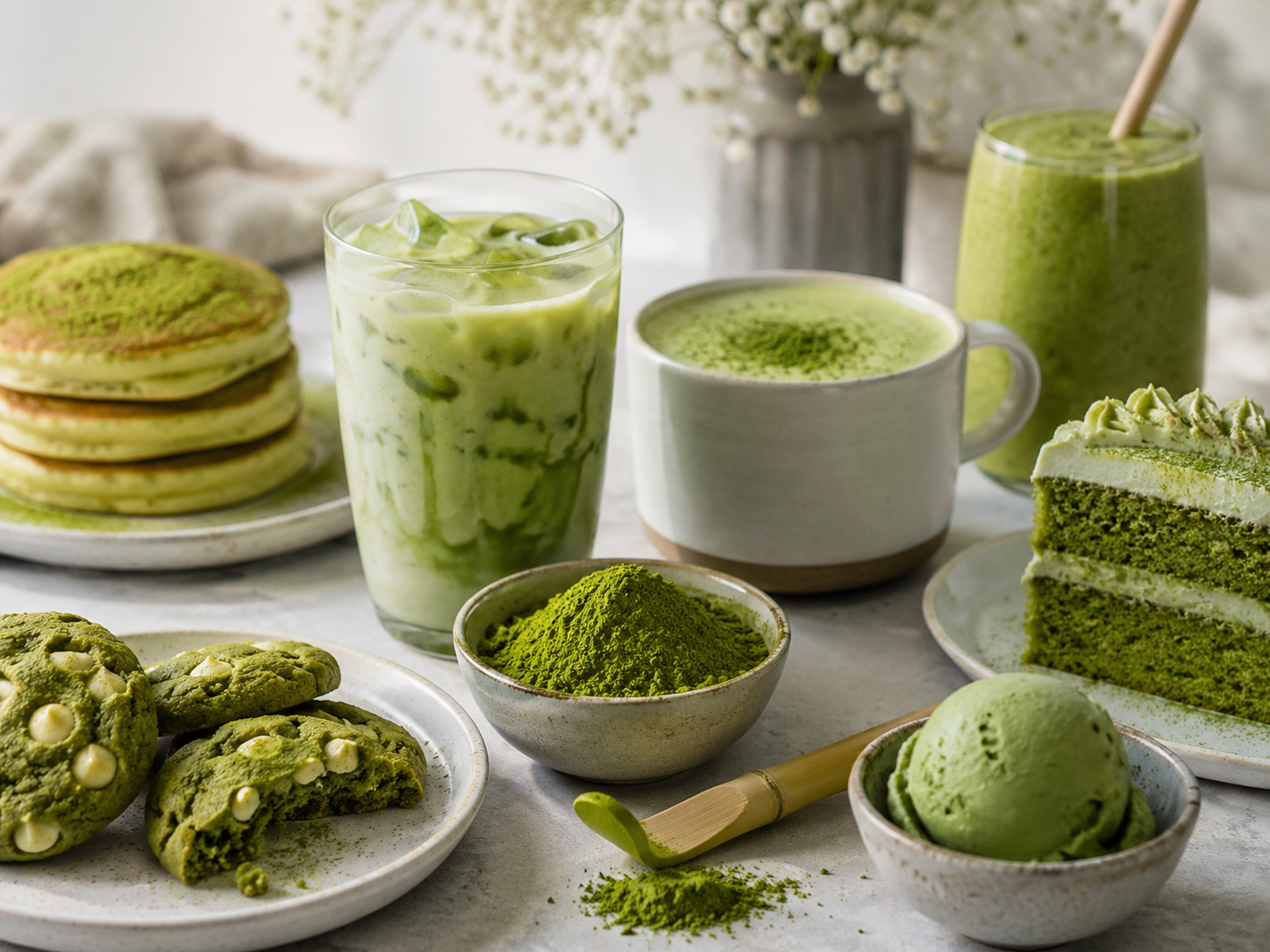
Matcha can be used in many recipes. You can drink it hot or iced, with water or milk, sweetened or unsweetened. You can also add it to smoothies, porridge, chia pudding, cakes, cookies, energy balls, and desserts.

Different Grades of Matcha

When shopping for matcha powder, you will often see terms like ceremonial grade, premium grade, and culinary grade. These grades are not always officially standardized, but they are commonly used to describe matcha quality and intended use.

Ceremonial Grade Matcha

Ceremonial Grade Matcha

Ceremonial grade matcha is usually the highest quality. It is made from young, tender tea leaves and has a bright green color, fine texture, smooth taste, and low bitterness. It is best for traditional matcha tea prepared with water.

Choose ceremonial grade matcha if you want to drink matcha pure, without milk or sweeteners.

Premium Grade Matcha

Premium Grade Matcha

Premium matcha is still high-quality, but it may be slightly less delicate than ceremonial matcha. It can be used for both traditional tea and matcha lattes. It is a good everyday option for people who drink matcha regularly.

Culinary Grade Matcha

Culinary Grade Matcha

Culinary grade matcha is designed for recipes, baking, smoothies, and lattes. It usually has a stronger flavor, which helps it stand out when mixed with milk, flour, sugar, or other ingredients. It may be more bitter than ceremonial matcha, but that is not always a problem when used in recipes.

Choose culinary grade matcha for matcha latte, cakes, cookies, pancakes, ice cream, and smoothies.

How to Choose Good Matcha Powder

Good matcha can make a big difference in both taste and drinking experience. Here are the most important things to look for.

Look for a Bright Green Color

High-quality matcha is usually vibrant green. A dull, yellowish, brownish, or grey-green powder may be older, lower quality, or poorly stored.

Check the Origin

Japanese matcha is highly respected, especially from well-known tea regions. If you want a traditional matcha experience, choose matcha from Japan.

Choose the Right Grade

For drinking with water, choose ceremonial or premium matcha. For lattes and recipes, culinary matcha is usually enough.

Check the Texture

Good matcha should be very fine and silky. A coarse or grainy powder may not whisk well and can create a rough texture.

Avoid Excessive Bitterness

Matcha should have some natural green tea intensity, but it should not taste unpleasantly bitter or stale. Quality matcha is balanced, smooth, and fresh.

Buy Smaller Amounts

Matcha is sensitive to air, light, heat, and moisture. It is better to buy smaller amounts and use them while fresh.

How to Store Matcha Tea

How to Store Matcha Tea

Matcha powder should be stored carefully to protect its color, flavor, and aroma. After opening, keep it in an airtight container away from light, heat, and moisture. A cool cupboard can work, but the refrigerator is also commonly used if the container is sealed well.

Always close the package immediately after use. Avoid leaving matcha exposed to air for long periods. Once opened, try to use it within a reasonable time for the best taste.

Fresh matcha should smell clean, green, and slightly sweet. If it smells stale, flat, or musty, it may no longer taste good.

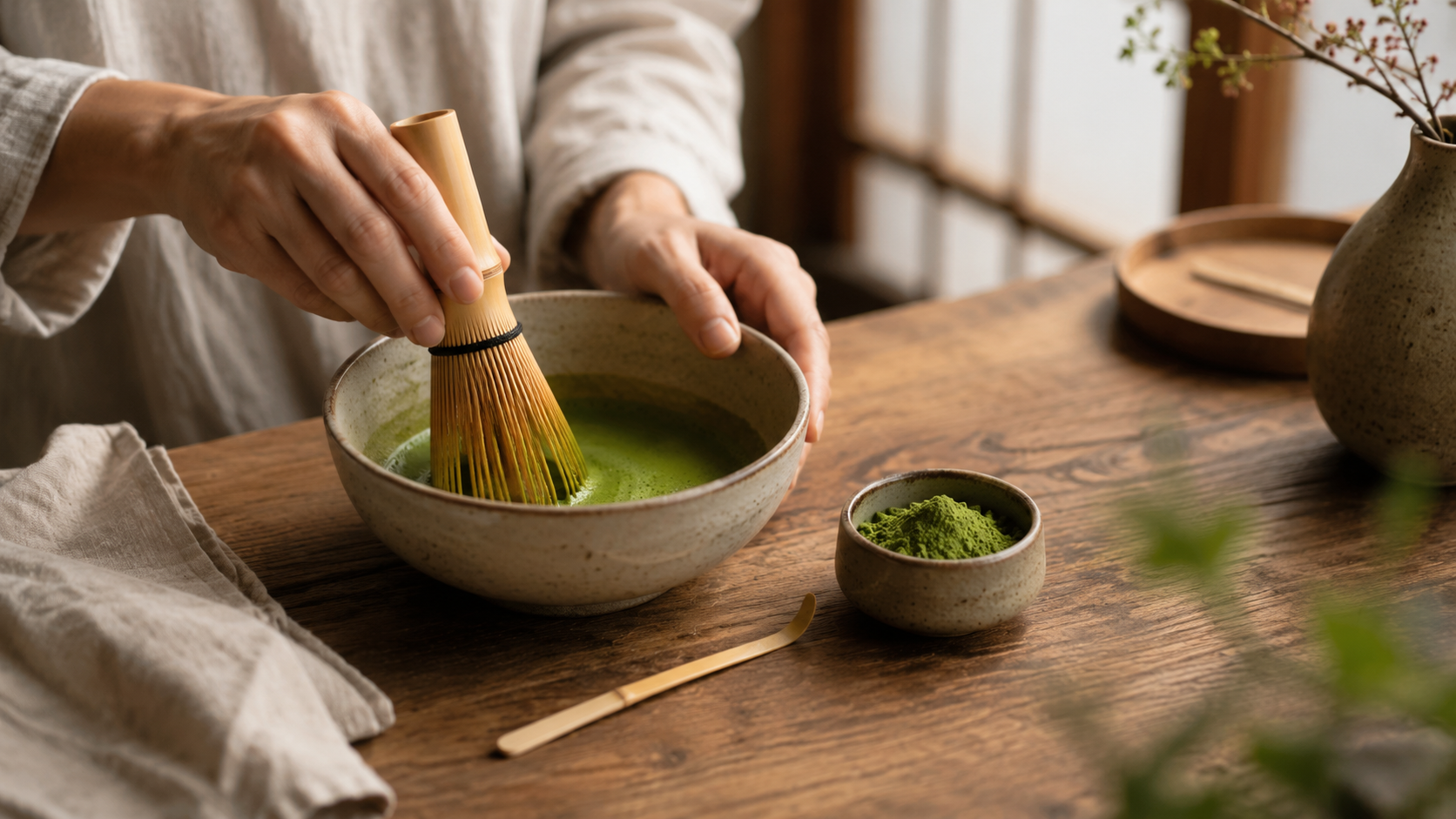
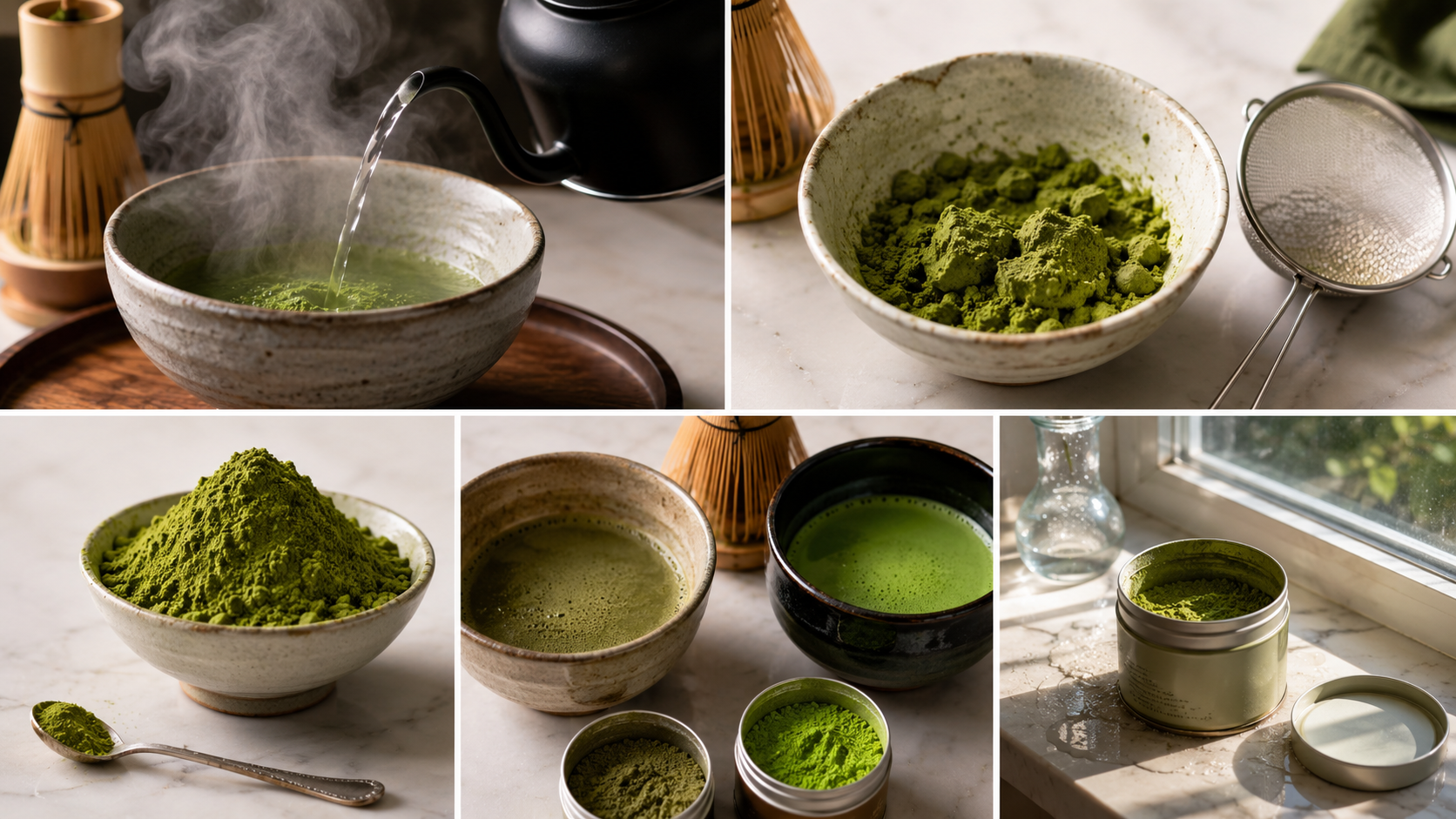
How to Prepare Traditional Matcha Tea

How to Prepare Traditional Matcha Tea

Making matcha at home is simple, but the right technique helps create a smoother drink.

You Will Need

  • 1 to 2 teaspoons of matcha powder
  • 60 to 80 ml of hot water
  • A matcha bowl or small cup
  • A bamboo whisk or small electric frother
  • A small sieve, optional but helpful

Step-by-Step Preparation

  1. Sift the matcha powder into a bowl to remove clumps.
  2. Add a small amount of hot water.
  3. Whisk quickly in a zigzag motion until the tea becomes smooth and slightly frothy.
  4. Add more water if desired.
  5. Drink immediately while fresh.

The water should be hot, but not boiling. Boiling water can make matcha taste more bitter. A temperature around 70–80°C is usually a good starting point.

How to Make a Matcha Latte

How to Make a Matcha Latte

A matcha latte is one of the most popular ways to enjoy matcha. It is creamy, smooth, and easy to customize.

Ingredients

  • 1 to 2 teaspoons of matcha powder
  • 50 ml hot water
  • 200 ml milk or plant-based milk
  • Honey, maple syrup, or sugar, optional

Method

  1. Sift the matcha powder into a cup.
  2. Add hot water and whisk until smooth.
  3. Heat and froth your milk.
  4. Pour the milk over the matcha.
  5. Sweeten if desired.

For an iced matcha latte, use cold milk and pour the whisked matcha over ice.

Best Milk for Matcha Latte

Best Milk for Matcha Latte

Matcha works well with many types of milk. The best choice depends on your taste.

Dairy milk creates a creamy and balanced latte. Oat milk is one of the most popular plant-based options because it has a naturally sweet, smooth flavor. Almond milk gives a lighter taste, while coconut milk adds a tropical note. Soy milk creates a rich texture and pairs well with stronger matcha.

For the best flavor, choose milk that does not overpower the matcha. Unsweetened or lightly sweetened milk usually works best.

Common Matcha Mistakes to Avoid

Common Matcha Mistakes to Avoid

Using Boiling Water

Boiling water can make matcha taste bitter. Let the water cool slightly before mixing.

Not Sifting the Powder

Matcha powder can clump easily. Sifting creates a smoother drink.

Using Too Much Powder

More matcha does not always mean better flavor. Too much powder can make the drink bitter and intense. Start with 1 teaspoon and adjust to taste.

Choosing the Wrong Grade

Ceremonial matcha is best for drinking with water. Culinary matcha is better for recipes and lattes. Using low-quality matcha for traditional tea may lead to a bitter experience.

Storing Matcha Incorrectly

Matcha loses freshness when exposed to air, light, heat, and moisture. Store it properly and use it while fresh.

Can You Drink Matcha Every Day

Can You Drink Matcha Every Day?

Many people drink matcha daily as part of their morning or afternoon routine. For most healthy adults, moderate matcha consumption can fit well into a balanced diet. However, because matcha contains caffeine, it is important to pay attention to your personal tolerance.

If you are sensitive to caffeine, pregnant, breastfeeding, taking medication, or managing a medical condition, it is best to ask a healthcare professional for personal advice.

For everyday use, one serving per day is a common starting point. You can adjust the amount based on your energy levels, sleep quality, and taste preference.

Matcha Tea for Beginners: Where to Start

Matcha Tea for Beginners: Where to Start

If you are new to matcha, start with a matcha latte. The milk softens the grassy flavor and makes the drink easier to enjoy. Once you become familiar with the taste, try traditional matcha prepared with water.

Choose a good-quality premium or ceremonial matcha if you want a smooth first experience. Avoid very cheap matcha for your first cup, as it may taste bitter and give you the wrong impression.

A simple beginner recipe is:

  • 1 teaspoon matcha powder
  • 60 ml hot water
  • 150–200 ml milk
  • A small amount of honey or maple syrup, optional

This creates a balanced matcha latte that is smooth, mild, and easy to drink.

Popular Ways to Use Matcha

Popular Ways to Use Matcha

Matcha is not only for tea. Its bright green color and earthy flavor make it a popular ingredient in many drinks and desserts.

Popular matcha ideas include:

  • Hot matcha tea
  • Iced matcha tea
  • Matcha latte
  • Iced matcha latte
  • Matcha smoothie
  • Matcha lemonade
  • Matcha chia pudding
  • Matcha overnight oats
  • Matcha cookies
  • Matcha cake
  • Matcha ice cream
  • Matcha energy balls
  • Matcha pancakes

Culinary matcha is usually the best option for recipes because it has a stronger flavor and is more affordable than ceremonial matcha.

Matcha Tea and Japanese Tea Culture

Matcha Tea and Japanese Tea Culture

Matcha has deep roots in Japanese tea culture. It is strongly connected with the Japanese tea ceremony, also known as chanoyu or sadō. This ceremony is about more than drinking tea. It focuses on presence, respect, simplicity, beauty, and mindful preparation.

In traditional settings, matcha is carefully measured, whisked, served, and enjoyed in a quiet atmosphere. Every movement has meaning. While modern matcha drinks are often casual, the traditional preparation reminds us that tea can be a moment of calm and connection.
This cultural background is one of the reasons matcha feels different from many everyday drinks. It is not just about taste or caffeine. It is also about ritual, balance, and appreciation.
Matcha Powder vs Matcha Tea Bags

Matcha Powder vs Matcha Tea Bags

Matcha powder and matcha tea bags are not the same.

Real matcha is a fine powder that is mixed directly into water. Tea bags labeled as matcha may contain green tea leaves with a small amount of matcha powder added. These products can still taste pleasant, but they do not offer the same texture, color, or full matcha experience.

If you want authentic matcha, choose pure matcha powder. If you want convenience and a lighter green tea taste, matcha tea bags can be a simple option.

Is Matcha Better Than Coffee

Is Matcha Better Than Coffee?

Matcha and coffee are different drinks, and the better choice depends on what you want.

Coffee usually has a stronger flavor and more intense caffeine effect. Matcha has a smoother green tea taste and often provides a gentler energy experience. Coffee is ideal for people who enjoy bold roasted flavors. Matcha is ideal for people who prefer a calmer drink with earthy, creamy, and slightly sweet notes.

Matcha can be a good coffee alternative if you want:

  • A smoother energy boost
  • Less acidity
  • A calming tea ritual
  • A drink that works hot or iced
  • A latte without coffee flavor
  • A versatile ingredient for recipes

Many people enjoy both. Coffee may be their morning drink, while matcha becomes an afternoon focus drink or a weekend ritual.

Who Should Try Matcha Tea?

Who Should Try Matcha Tea?

Matcha is a great choice for people who enjoy green tea, gentle caffeine, natural flavors, and mindful daily routines. It is especially suitable for those who want a drink that feels energizing but not too heavy.

You may enjoy matcha if you:

  • Like green tea
  • Want an alternative to coffee
  • Enjoy creamy lattes
  • Prefer less sugary drinks
  • Like Japanese tea culture
  • Want a tea that can be used in recipes
  • Enjoy earthy, fresh, and umami flavors

If you dislike grassy or vegetal flavors, start with a matcha latte instead of traditional matcha tea.

Frequently Asked Questions About Matcha Tea

  • What is matcha tea made from?

    Matcha tea is made from finely ground green tea leaves. The leaves are usually shade-grown, steamed, dried, sorted, and ground into a fine powder.

  • Is matcha the same as green tea?

    Matcha is a type of green tea, but it is different from regular steeped green tea. With matcha, you drink the whole powdered leaf mixed into water.

  • Does matcha contain caffeine?

    Yes, matcha contains caffeine. It usually has more caffeine than regular green tea but often less than coffee, depending on the serving size.

  • What does matcha taste like?

    Matcha tastes earthy, grassy, creamy, slightly sweet, and rich in umami. High-quality matcha is smooth and balanced, while lower-quality matcha can taste bitter.

  • Can I make matcha without a bamboo whisk?

    Yes. A bamboo whisk is traditional, but you can also use a small electric frother, shaker bottle, or blender.

  • Is matcha good for lattes?

    Yes. Matcha is excellent for lattes. It pairs especially well with oat milk, dairy milk, soy milk, and almond milk.

  • What is the best matcha for beginners?

    A premium grade matcha is often best for beginners because it is smoother than basic culinary matcha but usually more affordable than ceremonial grade matcha.

  • Why is my matcha bitter?

    Matcha can taste bitter if the powder is low quality, the water is too hot, you use too much powder, or the matcha is old and poorly stored.

  • Can matcha be used in baking?

    Yes. Matcha is popular in cakes, cookies, pancakes, muffins, ice cream, and desserts. Culinary grade matcha is usually best for baking.

  • How should I store matcha?

    Store matcha in an airtight container away from light, heat, moisture, and strong odors. Use it while fresh for the best color and flavor.

Final Thoughts: Why Matcha Tea Is Worth Trying

Matcha tea is more than a trendy green drink. It is a unique form of Japanese green tea with a rich history, vibrant color, smooth flavor, and versatile use. Because matcha is made from finely ground whole tea leaves, it offers a more concentrated tea experience than regular green tea.

You can enjoy matcha in a traditional bowl, a creamy latte, an iced drink, or your favorite dessert recipe. The key is choosing good-quality matcha, preparing it with the right water temperature, and storing it properly.

If you are looking for a drink that combines flavor, ritual, gentle energy, and everyday versatility, matcha tea is a beautiful choice to explore.

Continue reading

Essential Spices Every Kitchen Needs

Essential Spices Every Kitchen Needs

Essential Spices Every Kitchen Needs

Essential Spices Every Kitchen Needs

Spices are one of the easiest ways to make everyday cooking more flavorful, aromatic, and exciting. A simple dish can taste completely different when you add the right spice blend, a pinch of heat, or a warm earthy note. Whether you cook quick weekday meals, traditional family recipes, healthy lunches, or more creative dishes, a well-stocked spice rack gives you more freedom in the kitchen.

You do not need dozens of rare spices to cook well. Most home kitchens only need a strong foundation of versatile spices that work across many cuisines. With the right essentials, you can season vegetables, soups, sauces, meat, fish, rice, pasta, stews, marinades, dressings, and roasted dishes with confidence.

This guide covers the essential spices every kitchen needs, how to use them, what they taste like, and why they deserve a permanent place in your pantry.

Why Every Kitchen Needs a Good Spice Collection

A good spice collection helps you cook better food without complicated techniques. Spices add depth, aroma, color, warmth, freshness, sweetness, smokiness, and heat. They also make simple ingredients taste more interesting.

A basic meal of rice, vegetables, and protein can become Mediterranean, Indian, Mexican, Middle Eastern, or Asian-inspired depending on the spices you use. This makes spices especially useful for home cooks who want variety without buying expensive ingredients every day.

Spices are also practical. They last much longer than fresh herbs, they are easy to store, and only a small amount is needed to change the flavor of a dish. Building a quality spice rack is one of the smartest investments for any kitchen.

Black Pepper

Black Pepper

Black pepper is one of the most important spices in the world and belongs in every kitchen. It has a sharp, warm, slightly spicy flavor that improves both simple and complex dishes.

Freshly ground black pepper has a much stronger aroma than pre-ground pepper. It works well with almost everything, including eggs, salads, soups, sauces, roasted vegetables, pasta, meat, fish, and potatoes.

Best uses for black pepper

Use black pepper in everyday cooking, marinades, creamy sauces, grilled dishes, salad dressings, and roasted vegetables. It is also excellent in tomato-based sauces and cheese dishes.

Why you need it

Black pepper enhances flavor without overpowering food. It is one of the most versatile spices you can own.

Sea Salt or Quality Cooking Salt

Sea Salt or Quality Cooking Salt

Although salt is technically a mineral and not a spice, no kitchen is complete without it. Salt brings out the natural flavor of food and balances sweetness, bitterness, acidity, and richness.

A good kitchen should have everyday cooking salt and, ideally, a finishing salt for serving. Fine salt is useful for cooking, while flaky or coarse salt can add texture to finished dishes.

Best uses for salt

Use salt in soups, pasta water, roasted vegetables, sauces, meat, fish, eggs, salads, bread, and almost every savory recipe.

Why you need it

Salt is the foundation of seasoning. Even the best spices will taste flat if a dish is under-salted.

Paprika

Paprika

Paprika is a must-have spice made from dried and ground peppers. It can be sweet, smoky, or hot, depending on the variety. Sweet paprika is the most versatile option for everyday cooking.

Paprika adds color, mild pepper flavor, and gentle warmth. It is commonly used in European, Mediterranean, Middle Eastern, and Mexican-inspired dishes.

Best uses for paprika

Use paprika in stews, soups, roasted potatoes, chicken, rice dishes, beans, marinades, sauces, and spice rubs. It is also excellent sprinkled over hummus, eggs, or roasted vegetables.

Why you need it

Paprika adds beautiful color and mild flavor without too much heat. It is ideal for family cooking and everyday meals.

Smoked Paprika

Smoked Paprika

Smoked paprika has a deep, smoky, slightly sweet flavor. It is one of the best spices for adding richness to vegetarian and meat-based dishes.

A small amount can make food taste as if it has been grilled, roasted over fire, or slow-cooked. It is especially useful when cooking indoors and wanting a smoky flavor without using a barbecue.

Best uses for smoked paprika

Use smoked paprika in roasted vegetables, beans, stews, chili, grilled meats, chicken, potatoes, sauces, soups, and homemade spice rubs.

Why you need it

Smoked paprika gives dishes depth and warmth. It is perfect for making simple food taste richer and more satisfying.

Garlic Powder

Garlic Powder

Garlic powder is a practical kitchen essential. It has a savory, slightly sweet garlic flavor and blends easily into dry rubs, sauces, marinades, and dressings.

Fresh garlic is wonderful, but garlic powder is useful when you want garlic flavor without chopping, peeling, or adding moisture. It is also less likely to burn than fresh garlic in some recipes.

Best uses for garlic powder

Use garlic powder in roasted vegetables, fries, grilled meat, chicken, soups, dips, sauces, salad dressings, burgers, and homemade seasoning blends.

Why you need it

Garlic powder is quick, convenient, and very versatile. It is one of the best everyday spices for adding savory flavor.

Onion Powder

Onion Powder

Onion powder adds sweet, savory onion flavor without the texture or moisture of fresh onions. It works especially well in seasoning blends and dry rubs.

It is a great spice for quick meals because it gives dishes a deeper base flavor without needing to sauté onions first.

Best uses for onion powder

Use onion powder in soups, sauces, marinades, roasted potatoes, burgers, meatballs, dips, salad dressings, and grilled vegetables.

Why you need it

Onion powder adds instant savory depth. It pairs beautifully with garlic powder, paprika, black pepper, and herbs.

Black Pepper

Cumin

Cumin has a warm, earthy, slightly nutty flavor. It is essential in many cuisines, including Mexican, Indian, Middle Eastern, North African, and Mediterranean cooking.

Cumin can completely transform a dish. It gives warmth and depth to beans, lentils, rice, stews, roasted vegetables, and meat dishes.

Best uses for cumin

Use cumin in chili, tacos, curries, soups, lentil dishes, hummus, roasted carrots, rice, chickpeas, and spice rubs.

Why you need it

Cumin is one of the most useful spices for creating bold, comforting, and aromatic meals.

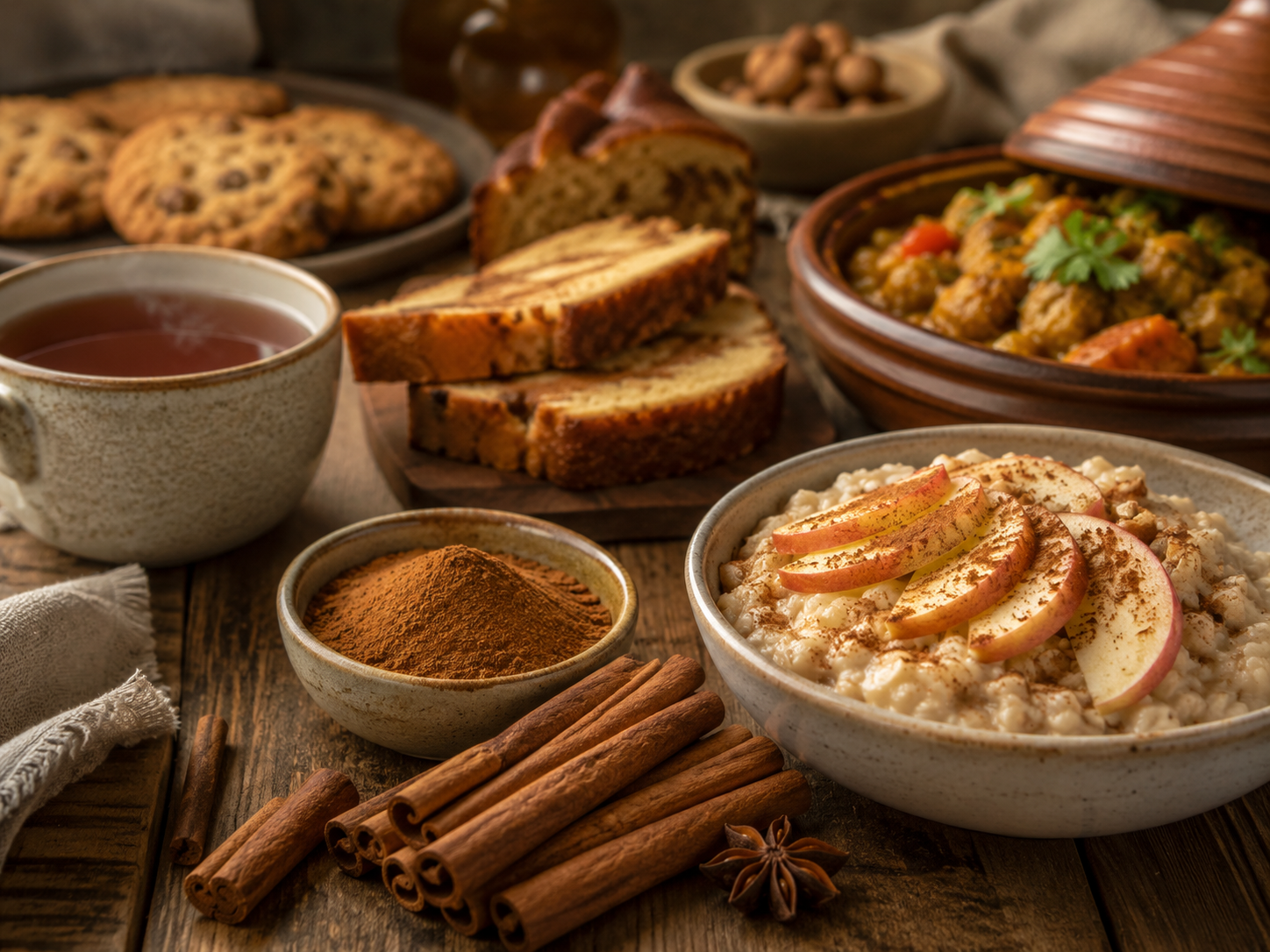
Cinnamon

Cinnamon

Cinnamon is a sweet, warm, aromatic spice that works in both sweet and savory cooking. It is often used in baking, desserts, breakfast dishes, hot drinks, and festive recipes.

However, cinnamon is not only for sweet food. In many cuisines, it is also used in stews, rice dishes, meat recipes, and spice blends.

Best uses for cinnamon

Use cinnamon in oatmeal, cakes, cookies, fruit desserts, tea, coffee, mulled drinks, rice pudding, curries, tagines, and slow-cooked dishes.

Why you need it

Cinnamon adds warmth and natural sweetness. It is one of the most comforting spices for home cooking.

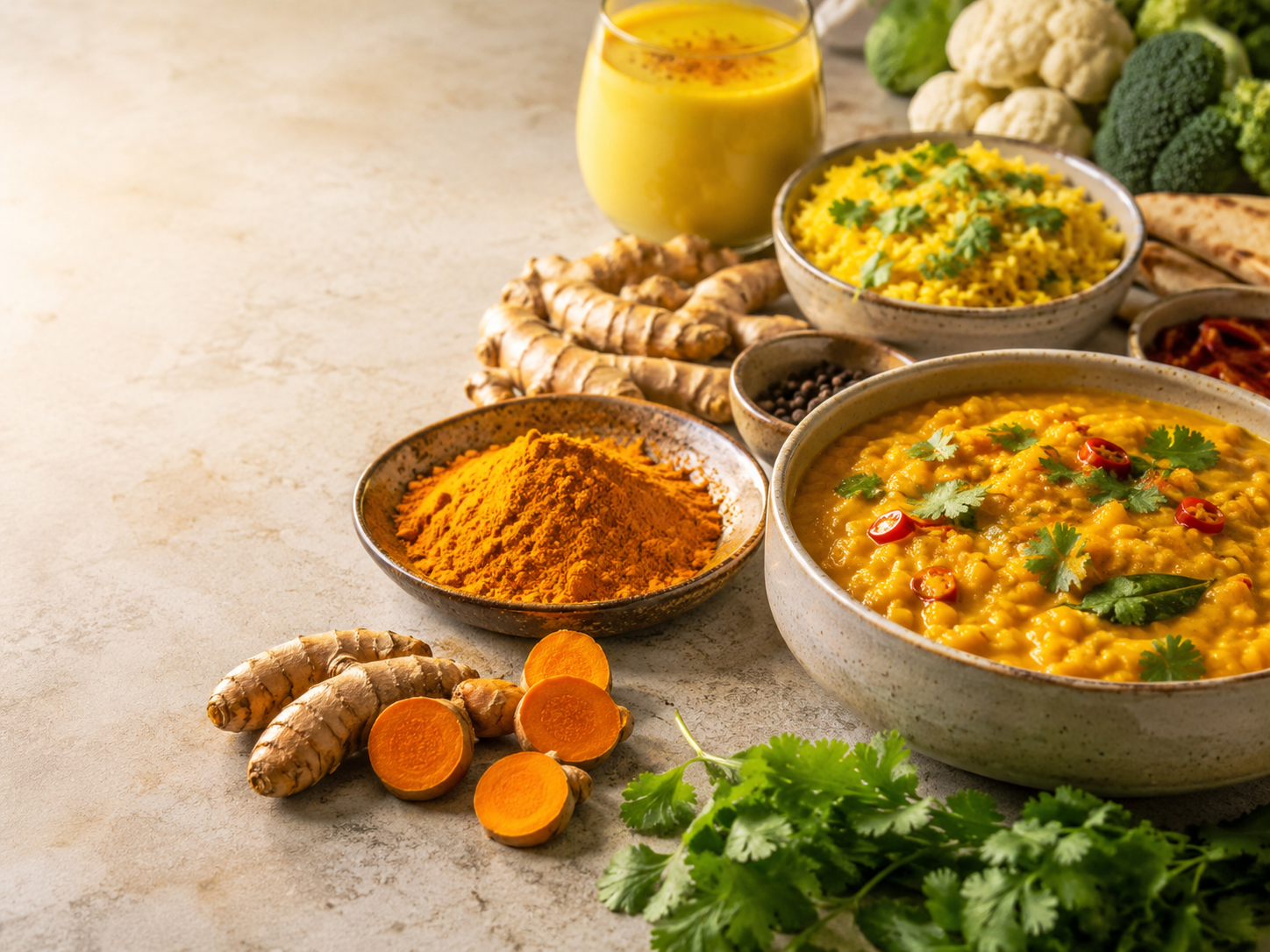
Turmeric

Turmeric

Turmeric is known for its bright golden color and earthy, slightly bitter flavor. It is widely used in Indian, Middle Eastern, and Southeast Asian cooking.

It is often used in curries, rice dishes, soups, lentils, sauces, and golden milk. Because turmeric has a strong color, a small amount is usually enough.

Best uses for turmeric

Use turmeric in curries, rice, lentil soup, vegetable dishes, stews, scrambled eggs, marinades, and warm drinks.

Why you need it

Turmeric adds color, earthiness, and warmth. It is especially useful in vegetarian, vegan, and plant-based cooking.

Chili Flakes

Chili Flakes

Chili flakes are perfect for adding controlled heat to food. They are made from dried crushed chili peppers and can range from mild to very spicy.

They are easy to sprinkle over finished dishes or add during cooking. A small pinch can brighten pasta, pizza, soups, roasted vegetables, and sauces.

Best uses for chili flakes

Use chili flakes in pasta sauces, pizza, stir-fries, soups, marinades, eggs, grilled vegetables, seafood, and spicy oils.

Why you need it

Chili flakes give you an easy way to add heat without changing the whole dish.

Cayenne Pepper

Cayenne Pepper

Cayenne pepper is hotter and more direct than chili flakes. It is usually used in small amounts to add strong heat.

Because cayenne is finely ground, it blends well into sauces, soups, marinades, and spice mixes. It is excellent when you want heat without visible chili pieces.

Best uses for cayenne pepper

Use cayenne in hot sauces, chili, curries, spicy soups, marinades, roasted nuts, grilled meat, and seasoning blends.

Why you need it

Cayenne is ideal when you want powerful heat in a small amount.

Oregano

Oregano

Oregano is a dried herb rather than a spice, but it is essential for most kitchens. It has a bold, earthy, slightly bitter flavor that works especially well with tomato, olive oil, garlic, and lemon.

Oregano is strongly associated with Mediterranean cooking, especially Italian and Greek dishes.

Best uses for oregano

Use oregano in tomato sauces, pizza, pasta, roasted vegetables, grilled chicken, Greek salads, marinades, soups, and bread.

Why you need it

Oregano instantly gives dishes a Mediterranean flavor. It is one of the most useful dried herbs for everyday cooking.

Black Pepper

Basil

Dried basil has a sweet, herbal flavor and is a useful pantry staple. While fresh basil has a brighter taste, dried basil is convenient for sauces, soups, and slow-cooked dishes.

It pairs especially well with tomatoes, garlic, olive oil, cheese, chicken, and vegetables.

Best uses for basil

Use basil in pasta sauces, tomato soup, pizza, casseroles, roasted vegetables, chicken dishes, and Mediterranean-style recipes.

Why you need it

Basil adds gentle herbal sweetness and works perfectly in many family-friendly meals.

Thyme

Thyme

Thyme has a delicate earthy, floral, slightly minty flavor. It is a classic herb in European and Mediterranean cooking.

It works beautifully in slow-cooked dishes because its flavor becomes deeper over time. Thyme is especially good with potatoes, mushrooms, chicken, beans, and roasted vegetables.

Best uses for thyme

Use thyme in soups, stews, roasted potatoes, chicken, mushrooms, carrots, beans, casseroles, and sauces.

Why you need it

Thyme adds subtle depth and elegance. It is perfect for comforting home-cooked meals.

Rosemary

Rosemary

Rosemary has a strong pine-like, woody aroma. It is powerful, so it should be used carefully. A small amount can add a beautiful Mediterranean flavor.

Rosemary pairs especially well with potatoes, lamb, chicken, bread, olive oil, garlic, and roasted vegetables.

Best uses for rosemary

Use rosemary in roasted potatoes, focaccia, grilled meat, chicken, lamb, vegetable trays, marinades, and olive oil infusions.

Why you need it

Rosemary gives dishes a bold, rustic, aromatic flavor. It is perfect for roasted and baked recipes.

Bay Leaves

Bay Leaves

Bay leaves are used to add subtle depth to slow-cooked dishes. They are usually added whole during cooking and removed before serving.

Their flavor is not strong or obvious, but they help make soups, stews, sauces, beans, and broths taste more complete.

Best uses for bay leaves

Use bay leaves in soups, stocks, stews, tomato sauces, rice dishes, beans, lentils, and braised meat.

Why you need it

Bay leaves add background flavor and complexity, especially in long-cooked recipes.

Ginger Powder

Ginger Powder

Ground ginger has a warm, spicy, slightly sweet flavor. It is useful in both sweet and savory dishes.

It is common in baking, spice blends, Asian-inspired dishes, curries, marinades, tea, and winter drinks.

Best uses for ginger powder

Use ginger powder in cookies, cakes, tea, curries, stir-fries, marinades, soups, pumpkin dishes, and spice blends.

Why you need it

Ginger adds warmth and brightness. It is especially useful in baking and aromatic cooking.

Nutmeg

Nutmeg

Nutmeg is a warm, sweet, slightly nutty spice. It is powerful, so a small pinch is usually enough.

It is commonly used in creamy sauces, mashed potatoes, baked goods, winter drinks, and desserts. It also works well with spinach, cheese, and pumpkin.

Best uses for nutmeg

Use nutmeg in béchamel sauce, mashed potatoes, spinach dishes, cakes, cookies, custards, hot chocolate, and festive drinks.

Why you need it

Nutmeg adds warmth and depth to creamy, sweet, and comforting dishes.

Curry Powder

Curry Powder

Curry powder is a spice blend rather than a single spice. It usually contains turmeric, coriander, cumin, fenugreek, chili, and other spices.

It is not the same as traditional curry pastes or freshly blended Indian spice mixes, but it is very useful for quick home cooking.

Best uses for curry powder

Use curry powder in chicken curry, vegetable curry, lentils, rice, soups, roasted cauliflower, chickpeas, and sauces.

Why you need it

Curry powder is convenient and flavorful. It helps you create quick, aromatic meals with minimal effort.

Coriander

Coriander

Ground coriander comes from the seeds of the coriander plant. It has a citrusy, slightly sweet, warm flavor.

It pairs well with cumin, turmeric, chili, garlic, ginger, and cinnamon. Coriander is common in Indian, Middle Eastern, Latin American, and Asian-inspired dishes.

Best uses for coriander

Use coriander in curries, soups, stews, marinades, roasted vegetables, lentils, chickpeas, and spice blends.

Why you need it

Coriander adds freshness and balance to warm spice blends. It is especially useful when cooking with cumin and turmeric.

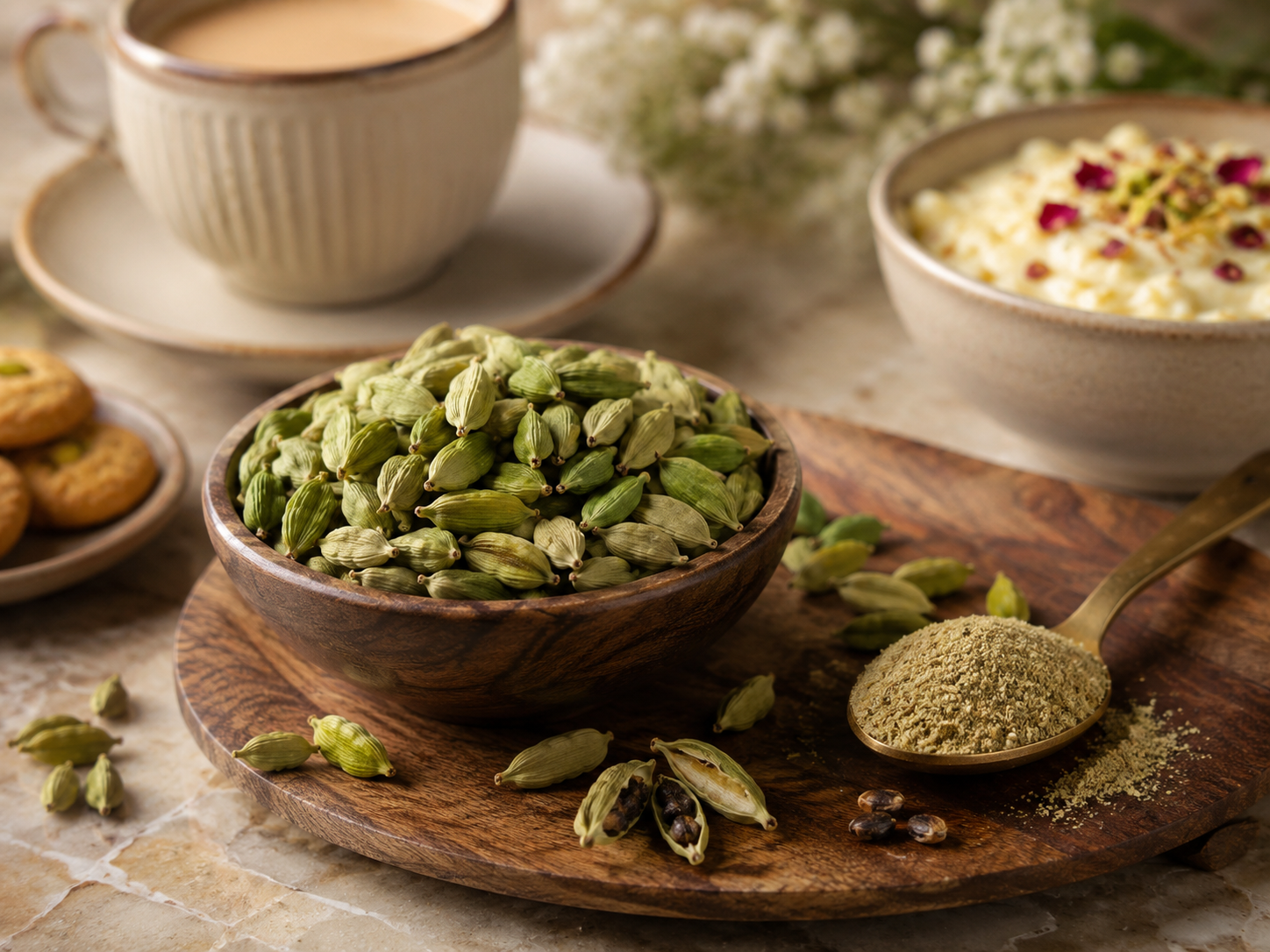
Cardamom

Cardamom

Cardamom is aromatic, sweet, floral, and slightly citrusy. It is one of the most distinctive spices and is often used in desserts, tea, coffee, rice dishes, and spice blends.

It is more special than some everyday spices, but it is worth having if you enjoy baking, chai, or Middle Eastern and Indian-inspired cooking.

Best uses for cardamom

Use cardamom in chai, coffee, rice pudding, cakes, cookies, curries, rice dishes, and warm desserts.

Why you need it

Cardamom adds a premium aromatic flavor that makes simple recipes feel more refined.

Cloves

Cloves

Cloves have a strong, warm, sweet, slightly spicy flavor. They are very powerful, so they should be used in small amounts.

Whole cloves are often used in mulled drinks, stews, rice, and festive recipes. Ground cloves are common in baking and spice blends.

Best uses for cloves

Use cloves in mulled wine, chai, gingerbread, spice cakes, stews, rice dishes, marinades, and winter desserts.

Why you need it

Cloves add intense warmth and festive aroma. They are especially useful during autumn and winter cooking.

Mustard Seeds

Mustard Seeds

Mustard seeds add mild heat, nuttiness, and texture. They are often used in Indian cooking, pickling, dressings, and spice blends.

When heated in oil, mustard seeds release a deeper, nuttier flavor. They are excellent for adding character to vegetables, potatoes, sauces, and legumes.

Best uses for mustard seeds

Use mustard seeds in pickles, curries, potato dishes, cabbage, lentils, salad dressings, marinades, and spice oils.

Why you need it

Mustard seeds add texture and sharpness. They are a great choice for cooks who want to expand beyond basic spices.

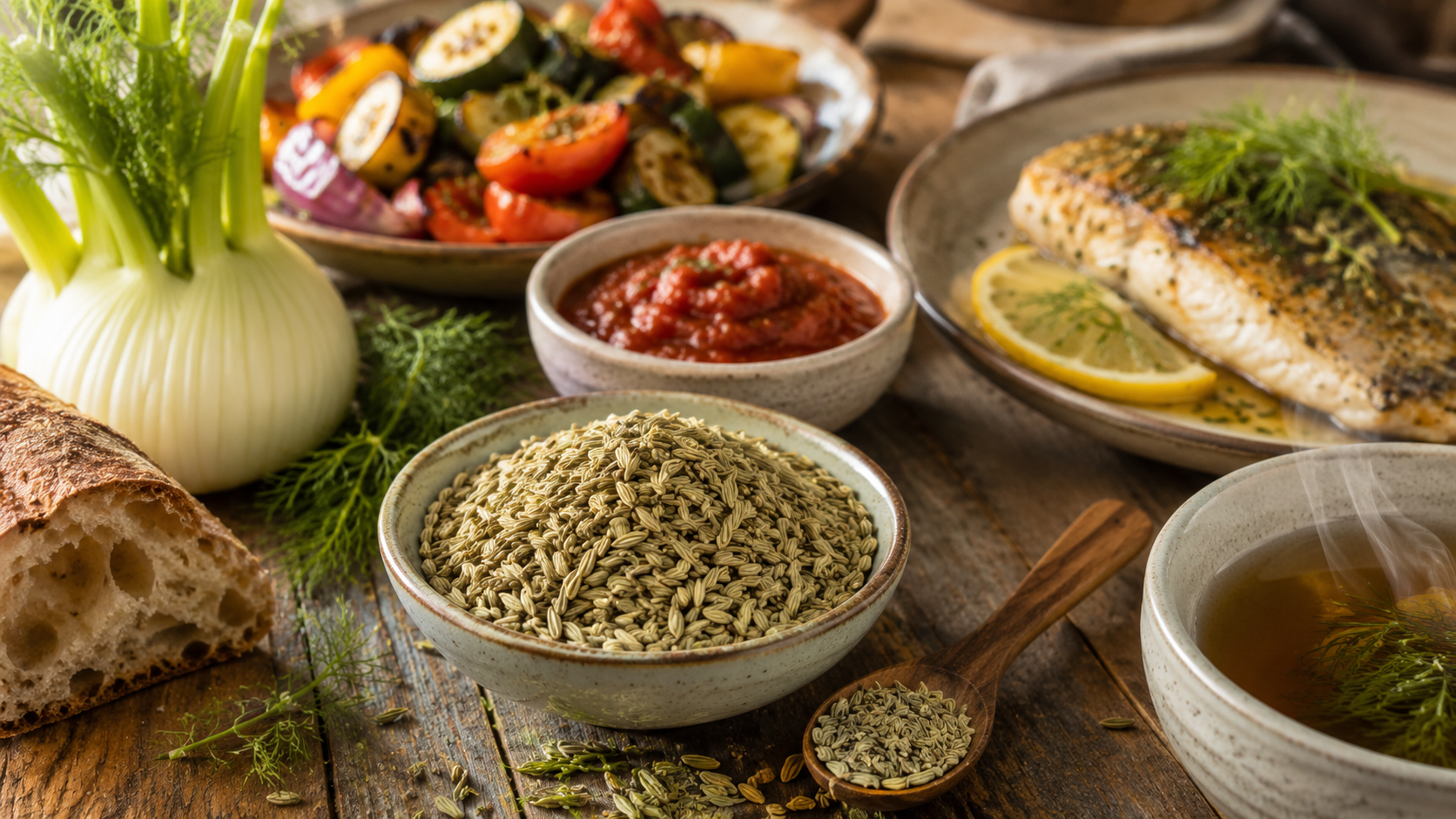
Fennel Seeds

Fennel Seeds

Fennel seeds have a sweet, anise-like flavor. They are common in Mediterranean, Indian, and Middle Eastern cooking.

They pair well with pork, fish, bread, tomato sauces, roasted vegetables, and spice blends. They can be used whole, crushed, or toasted.

Best uses for fennel seeds

Use fennel seeds in sausages, tomato sauces, roasted vegetables, bread, fish dishes, curries, and herbal teas.

Why you need it

Fennel seeds add sweetness and aroma. They are especially good for rich or savory dishes that need balance.

Allspice

Allspice

Allspice tastes like a combination of cinnamon, cloves, nutmeg, and pepper. Despite its name, it is a single spice.

It is common in Caribbean, Middle Eastern, and European cooking. It works in both sweet and savory recipes.

Best uses for allspice

Use allspice in stews, marinades, meat dishes, cakes, cookies, fruit desserts, pickles, and festive recipes.

Why you need it

Allspice is versatile and aromatic. It gives dishes warm complexity with just one ingredient.

Best Starter Spice Rack for Beginners

Best Starter Spice Rack for Beginners

If you are building your spice collection from zero, start with the most versatile basics first. You can add more specialized spices later.

A good beginner spice rack should include:

  • Black pepper
  • Paprika
  • Smoked paprika
  • Garlic powder
  • Onion powder
  • Cumin
  • Cinnamon
  • Turmeric
  • Chili flakes
  • Oregano
  • Basil
  • Thyme
  • Rosemary
  • Bay leaves
  • Curry powder

These spices cover a wide range of everyday meals, including pasta, soups, stews, roasted vegetables, meat dishes, rice dishes, sauces, curries, and marinades.

Best Spices for Mediterranean Cooking

Best Spices for Mediterranean Cooking

Mediterranean cooking is fresh, aromatic, and full of simple ingredients. The most useful spices and herbs for Mediterranean recipes include oregano, basil, thyme, rosemary, paprika, garlic powder, black pepper, bay leaves, and fennel seeds.

These ingredients work beautifully with olive oil, tomatoes, lemon, fish, chicken, potatoes, beans, cheese, and grilled vegetables.

Use them for Greek salads, Italian tomato sauce, roasted vegetables, grilled meats, focaccia, pasta, soups, and seafood dishes.

Best Starter Spice Rack for Beginners

Best Spices for Indian-Inspired Cooking

Indian-inspired cooking uses warm, layered, aromatic spices. The most useful options include cumin, coriander, turmeric, curry powder, chili powder, ginger, cinnamon, cardamom, cloves, mustard seeds, and black pepper.

These spices work especially well with lentils, chickpeas, rice, vegetables, chicken, yogurt sauces, and coconut milk.

For beginners, cumin, turmeric, coriander, and curry powder are the best starting point.

Best Spices for Mediterranean Cooking

Best Spices for Mexican-Inspired Cooking

Mexican-inspired meals often use bold, earthy, smoky, and spicy flavors. Useful spices include cumin, smoked paprika, chili flakes, cayenne pepper, garlic powder, onion powder, oregano, black pepper, and coriander.

These spices are perfect for tacos, chili, beans, rice, roasted corn, grilled meat, chicken, sauces, and marinades.

Smoked paprika and cumin are especially important for creating deep, satisfying flavor.

Best Starter Spice Rack for Beginners

Best Spices for Baking

Baking spices add warmth, sweetness, and aroma. The most important baking spices include cinnamon, ginger, nutmeg, cloves, cardamom, and allspice.

These spices work well in cakes, cookies, pies, muffins, pancakes, fruit desserts, porridge, hot drinks, and festive recipes.

Cinnamon is the best everyday baking spice, while nutmeg, cloves, and cardamom add more complexity.

Best Spices for Mediterranean Cooking

Best Spices for Roasted Vegetables

Roasted vegetables become much more flavorful with the right spices. The best options include paprika, smoked paprika, garlic powder, onion powder, cumin, thyme, rosemary, chili flakes, turmeric, and black pepper.

For potatoes, use rosemary, garlic powder, paprika, and black pepper. For carrots, try cumin, thyme, and a touch of cinnamon. For cauliflower, use turmeric, curry powder, cumin, or smoked paprika.

Best Spices for Soups and Stews

Best Spices for Soups and Stews

Soups and stews need depth and balance. The best spices and herbs for slow-cooked dishes include bay leaves, thyme, black pepper, paprika, smoked paprika, cumin, coriander, garlic powder, onion powder, and rosemary.

Bay leaves and thyme are especially useful because they add subtle background flavor. Paprika and smoked paprika add color and warmth, while cumin and coriander add earthy complexity.

How to Store Spices Properly

Spices should be stored in a cool, dry, dark place. Heat, light, air, and moisture make spices lose their flavor faster.

Avoid storing spices next to the stove, above the oven, or near a sunny window. These places may look convenient, but they can reduce the quality of your spices over time.

Use airtight jars or containers and keep the lids closed tightly. If possible, label each jar with the purchase date so you know when it is time to replace older spices.

How Long Do Spices Last?

Spices do not usually spoil in the same way as fresh food, but they lose flavor over time. Ground spices usually have the best flavor within one to two years. Whole spices can last longer because they keep their essential oils better.

Dried herbs often lose aroma faster than whole spices. If a spice smells weak or dusty, it is probably time to replace it.

The easiest test is simple: smell the spice. If the aroma is still strong, it is still useful. If it has almost no smell, it will not add much flavor to your food.

How Long Do Spices Last?

Spices do not usually spoil in the same way as fresh food, but they lose flavor over time. Ground spices usually have the best flavor within one to two years. Whole spices can last longer because they keep their essential oils better.

Dried herbs often lose aroma faster than whole spices. If a spice smells weak or dusty, it is probably time to replace it.

The easiest test is simple: smell the spice. If the aroma is still strong, it is still useful. If it has almost no smell, it will not add much flavor to your food.

Whole Spices vs Ground Spices

Ground spices are convenient and easy to use. They are best for quick cooking, sauces, rubs, and everyday meals.

Whole spices usually have a stronger and fresher flavor because they keep their aroma longer. They can be toasted and ground before cooking for better taste.

For most home kitchens, a mix of both is ideal. Keep everyday spices like paprika, cumin, turmeric, cinnamon, and garlic powder in ground form. Choose whole spices for black pepper, cloves, cardamom, mustard seeds, fennel seeds, and bay leaves.

How to Use Spices Without Overpowering Food

The best way to use spices is to start small. You can always add more, but you cannot easily remove too much spice once it is in the dish.

For most recipes, begin with half a teaspoon of a strong spice and adjust from there. Powerful spices like cayenne, cloves, nutmeg, and cardamom should be used carefully.

It also helps to balance spices with salt, acid, fat, and sweetness. Lemon juice, vinegar, olive oil, butter, yogurt, honey, or tomatoes can soften strong flavors and make the dish taste more balanced.

How to Use Spices Without Overpowering Food

The best way to use spices is to start small. You can always add more, but you cannot easily remove too much spice once it is in the dish.

For most recipes, begin with half a teaspoon of a strong spice and adjust from there. Powerful spices like cayenne, cloves, nutmeg, and cardamom should be used carefully.

It also helps to balance spices with salt, acid, fat, and sweetness. Lemon juice, vinegar, olive oil, butter, yogurt, honey, or tomatoes can soften strong flavors and make the dish taste more balanced.

Simple Spice Combinations for Everyday Cooking

Once you understand basic spices, you can combine them to create quick homemade blends.

Mediterranean blend

Mix oregano, basil, thyme, rosemary, garlic powder, onion powder, and black pepper. Use it for pasta, chicken, vegetables, potatoes, and salads.

Smoky barbecue-style blend

Mix smoked paprika, garlic powder, onion powder, black pepper, chili flakes, and a little brown sugar. Use it for grilled meat, roasted vegetables, burgers, and marinades.

Curry-style blend

Mix turmeric, cumin, coriander, ginger, chili, and black pepper. Use it for lentils, chickpeas, rice, vegetables, and chicken.

Taco-style blend

Mix cumin, smoked paprika, chili flakes, garlic powder, onion powder, oregano, and black pepper. Use it for tacos, beans, rice, minced meat, and roasted vegetables.

Warm baking blend

Mix cinnamon, ginger, nutmeg, cloves, and cardamom. Use it for cookies, cakes, oatmeal, pancakes, and hot drinks.

Common Mistakes When Buying Spices

One common mistake is buying too many spices at once. It is better to start with a smaller selection of useful spices and use them regularly.

Another mistake is buying large packages that sit unused for years. Unless you cook with a spice often, smaller jars are usually better.

Many people also keep old spices for too long. While old spices may not be dangerous, they can make food taste dull. Fresh, aromatic spices make a noticeable difference.

Finally, avoid choosing spices only by price. Quality matters. Better spices usually have stronger aroma, better color, and more flavor, so you need less of them in your cooking.

Final Thoughts: Build a Spice Rack That Matches How You Cook

The best spice rack is not the biggest one. It is the one you actually use. Start with essential spices like black pepper, paprika, cumin, cinnamon, turmeric, garlic powder, onion powder, oregano, thyme, rosemary, chili flakes, and bay leaves. These spices will help you cook a wide range of meals with more flavor and confidence.

As you cook more, add spices that match your favorite cuisines. If you love Mediterranean food, focus on oregano, basil, thyme, rosemary, paprika, and fennel seeds. If you enjoy Indian-inspired dishes, add coriander, cardamom, cloves, mustard seeds, and ginger. If you like spicy food, keep chili flakes, cayenne, smoked paprika, and cumin close by.

A well-stocked spice collection makes cooking easier, more creative, and more enjoyable. With just a few essential spices, you can turn simple ingredients into flavorful meals every day.

Continue reading

Benefits of Green Tea

Benefits of Green Tea

Benefits of Green Tea

Benefits of Green Tea: Why This Ancient Drink Is Still One of the World’s Healthiest Teas

Green tea has been enjoyed for centuries, but today it is more popular than ever among people looking for a natural, refreshing and wellness-focused drink. Light, clean and gently energising, green tea is made from the leaves of the Camellia sinensis plant and is especially valued for its delicate taste, natural antioxidants and everyday health benefits.

Unlike black tea, green tea is not heavily oxidised. This helps preserve many of its natural plant compounds, including catechins, polyphenols and amino acids. These compounds are the reason green tea is often associated with antioxidant support, better focus, heart health, metabolism and overall wellbeing.

Green tea is not a miracle cure, and it should not replace a healthy diet, medical care or an active lifestyle. However, drinking high-quality green tea regularly can be a simple and enjoyable way to support your daily wellness routine.

What Is Green Tea?

Green tea is a type of tea made from young tea leaves that are quickly heated after harvesting. This heating process stops oxidation and helps the leaves keep their green colour, fresh flavour and natural compounds.

Depending on the origin, harvest time and production method, green tea can taste grassy, floral, nutty, sweet, vegetal or slightly oceanic. Some green teas are light and refreshing, while others are rich, deep and full-bodied.

Popular types of green tea include:

Each type has its own flavour profile, caffeine level and ideal brewing method. This makes green tea one of the most versatile teas for everyday drinking.

Why Is Green Tea Considered Healthy?

Green tea is considered healthy because it contains natural plant compounds called polyphenols. The most important group of polyphenols in green tea are catechins. One of the best-known catechins is EGCG, which is often studied for its antioxidant and anti-inflammatory properties.

Green tea also contains a small amount of caffeine and an amino acid called L-theanine. Together, these compounds can support calm alertness, making green tea a popular alternative to coffee for people who want gentle energy without feeling overstimulated.

The main benefits of green tea are linked to:

  • Antioxidant support
  • Heart health
  • Metabolism
  • Focus and mental clarity
  • Hydration
  • Digestive comfort
  • Skin health
  • Relaxation and daily ritual

Green Tea Is Rich in Antioxidants

One of the biggest benefits of green tea is its high antioxidant content. Antioxidants help protect the body from oxidative stress, which is linked to ageing, inflammation and general cellular damage.

Green tea contains catechins, which are powerful plant-based antioxidants. These compounds help neutralise free radicals and support the body’s natural defence systems.

This is one reason green tea is often included in wellness routines, skincare-inspired diets and healthy lifestyle plans. A daily cup of green tea is a simple way to add more antioxidant-rich drinks to your diet without sugar, artificial flavours or unnecessary calories.

Green Tea May Support Heart Health

Green tea is often associated with heart health because of its natural polyphenols. These plant compounds may help support healthy blood vessels, cholesterol balance and normal circulation when combined with a balanced diet and active lifestyle.

For people who want to replace sugary drinks with a healthier alternative, green tea is also a smart choice. Unsweetened green tea contains very few calories and no added sugar, making it suitable for people who want to reduce their intake of soft drinks, sweetened iced teas or high-calorie coffee drinks.

A daily green tea habit can support a heart-friendly lifestyle when paired with:

  • A balanced diet
  • Regular movement
  • Good sleep
  • Stress management
  • Reduced sugar intake
  • Healthy hydration

Green tea should not be seen as a treatment for heart conditions, but it can be a valuable part of an overall wellness routine.

Green Tea Can Help Improve Focus and Calm Energy

Green tea contains caffeine, but usually less than coffee. This makes it a good option for people who want a gentle energy boost without the strong stimulation that coffee can sometimes cause.

Green tea also contains L-theanine, an amino acid that is often linked with calm focus. The combination of caffeine and L-theanine is one of the reasons many people describe green tea as giving a smoother, more balanced type of energy.

Instead of a sudden spike and crash, green tea can offer steady alertness. This makes it ideal for:

  • Morning work sessions
  • Studying
  • Reading
  • Creative tasks
  • Afternoon focus
  • A calm start to the day

If you are sensitive to caffeine, it is best to drink green tea earlier in the day or choose a lower-caffeine variety.

Green Tea May Support Metabolism

Green tea is often included in weight management and fitness routines because its catechins and caffeine may have a modest effect on metabolism. Some studies suggest that green tea compounds can slightly support energy expenditure, especially when combined with a healthy diet and regular physical activity.

However, green tea is not a magic weight-loss drink. It will not replace balanced meals, calorie control or exercise. The real benefit is that green tea can support healthier daily habits.

For example, green tea can help if you use it to replace:

  • Sugary soft drinks
  • Sweetened iced tea
  • High-calorie coffee drinks
  • Energy drinks
  • Dessert-style beverages

A cup of unsweetened green tea is naturally low in calories and can be enjoyed hot or cold throughout the day.

Green Tea Supports Hydration

Many people forget that tea also contributes to daily fluid intake. Green tea is mostly water, so it can help support hydration while also offering flavour and beneficial plant compounds.

Because green tea has a clean and refreshing taste, it is a good choice for people who struggle to drink enough plain water. It can be enjoyed warm in winter, iced in summer or infused with lemon, mint, ginger or fruit for a naturally flavoured drink.

Good hydration supports:

  • Energy levels
  • Digestion
  • Skin appearance
  • Concentration
  • Physical performance
  • General wellbeing

For best results, drink green tea without added sugar.

Green Tea May Support Digestive Comfort

Green tea is a light and refreshing drink that many people enjoy after meals. Its natural compounds may support digestive comfort and help create a pleasant after-meal ritual.

Some people find green tea easier to drink than coffee, especially in the afternoon. It is less heavy, less acidic in taste and can feel cleaner on the palate.

Green tea can be especially enjoyable after:

  • Breakfast
  • A light lunch
  • Rice dishes
  • Fish dishes
  • Salads
  • Asian-inspired meals
  • Sweet desserts

If you have a sensitive stomach, avoid drinking strong green tea on an empty stomach. Brew it lightly and enjoy it with food.

Green Tea May Support Healthy Skin

Green tea is often connected with skin health because of its antioxidant content. Oxidative stress can affect the appearance of the skin, and antioxidant-rich foods and drinks are often part of a healthy skin-supporting lifestyle.

Green tea is not a skincare product by itself, but drinking it regularly can support a balanced, beauty-focused routine from within.

A skin-friendly lifestyle should include:

  • Enough water
  • Nutrient-rich food
  • Good sleep
  • Sun protection
  • Reduced sugar intake
  • Regular movement
  • Antioxidant-rich drinks like green tea

This makes green tea a popular choice for people interested in natural beauty, healthy ageing and everyday wellness.

Green Tea Is a Good Alternative to Coffee

Coffee is popular, but not everyone enjoys its strong effect. Some people feel anxious, jittery or experience energy crashes after drinking too much coffee. Green tea can be a gentler alternative.

Green tea usually contains less caffeine than coffee, but still enough to help you feel more awake and focused. It also has a lighter taste and can be enjoyed several ways.

You can drink green tea:

  • Hot in the morning
  • Iced in the afternoon
  • With lemon
  • With mint
  • With ginger
  • As matcha latte
  • As cold brew tea
  • With jasmine flowers

For people who want to reduce coffee intake, replacing one daily coffee with green tea can be a simple first step.

Green Tea Can Be Part of a Relaxing Daily Ritual

One of the most underrated benefits of green tea is the ritual itself. Preparing tea encourages you to slow down, pause and take a mindful moment during the day.

The act of boiling water, measuring tea leaves, waiting for the infusion and enjoying the aroma can become a calming routine. This is especially valuable in busy modern lifestyles where many people move quickly from one task to another.

A daily green tea ritual can help create:

  • A peaceful morning routine
  • A focused work break
  • A calming afternoon pause
  • A healthier evening habit
  • A mindful alternative to snacking

Sometimes the benefit is not only in the tea itself, but also in the moment you create around it.

Green Tea Is Naturally Low in Calories

Unsweetened green tea is naturally very low in calories. This makes it a great drink for people who want flavour without added sugar, milk, syrups or artificial ingredients.

If your goal is to build healthier habits, switching from sweetened beverages to green tea can make a meaningful difference over time.

Green tea is a good option for:

  • Weight-conscious drinkers
  • People reducing sugar
  • Fitness routines
  • Clean eating plans
  • Light hydration
  • Everyday wellness

For the healthiest option, choose loose-leaf green tea or high-quality tea bags and avoid bottled green teas with added sugar.

Green Tea May Support Immune Health

Green tea contains natural polyphenols that may support the body’s normal immune function. Its antioxidant properties help protect cells from oxidative stress, which is important for general health.

A healthy immune system depends on many lifestyle factors, including sleep, nutrition, hydration, movement and stress management. Green tea can support this bigger picture by offering a nutrient-rich, hydrating and low-calorie drink.

For extra comfort, green tea pairs well with:

  • Lemon
  • Ginger
  • Mint
  • Honey
  • Lemongrass
  • Jasmine
  • Turmeric

Green tea is not a cure for colds or illness, but it can be part of a balanced wellness routine.

Green Tea Is Versatile and Easy to Enjoy

Another major benefit of green tea is its versatility. You can enjoy it in many different ways depending on the season, mood and occasion.

Popular ways to drink green tea include:

Hot Green Tea

This is the classic method. It is ideal for mornings, work breaks and relaxing moments.

Iced Green Tea

A refreshing option for warm days. Brew green tea, let it cool and serve it with ice, lemon or mint.

Cold Brew Green Tea

Cold brewing creates a smoother, less bitter flavour. Simply steep green tea leaves in cold water for several hours.

Matcha

Matcha is powdered green tea. Because you consume the whole tea leaf in powdered form, matcha has a stronger flavour and higher concentration of tea compounds.

Green Tea Blends

Green tea blends may include jasmine, mint, citrus, berries, spices or herbs. These blends are perfect for people who prefer a softer or more aromatic taste.

How Much Green Tea Should You Drink per Day?

For most healthy adults, 2 to 3 cups of green tea per day is a common and moderate amount. Some people drink more, but the right amount depends on your caffeine sensitivity, lifestyle and health needs.

You may want to limit green tea if you:

  • Are sensitive to caffeine
  • Are pregnant or breastfeeding
  • Have trouble sleeping
  • Have iron deficiency
  • Take certain medications
  • Have liver problems
  • Experience stomach discomfort from tea

Green tea extracts and supplements are much more concentrated than brewed tea and should be used with caution. Drinking brewed green tea is generally the safer and more traditional way to enjoy its benefits.

Does Green Tea Contain Caffeine?

Yes, green tea contains caffeine. The amount depends on the tea type, leaf quality, water temperature and steeping time. In general, green tea contains less caffeine than coffee but enough to provide a gentle energy boost.

If you want less caffeine, try:

  • Shorter steeping time
  • Lower water temperature
  • Bancha
  • Hojicha
  • Decaffeinated green tea
  • Drinking green tea earlier in the day

If you want more energy, matcha or gyokuro may be stronger options.

Best Time to Drink Green Tea

The best time to drink green tea depends on your routine and caffeine tolerance.

Good times to drink green tea include:

  • In the morning instead of coffee
  • Between breakfast and lunch
  • After lunch
  • Before a focused work session
  • As an afternoon refreshment

Avoid drinking strong green tea late in the evening if caffeine affects your sleep.

How to Brew Green Tea Properly

Green tea can become bitter if the water is too hot or if the leaves are steeped for too long. For the best taste, use water that is hot but not boiling.

A simple brewing method:

  1. Heat water to around 70–80°C.
  2. Add one teaspoon of green tea per cup.
  3. Steep for 2–3 minutes.
  4. Strain the leaves.
  5. Enjoy without sugar for the cleanest flavour.

For lighter green teas, use cooler water and a shorter steeping time. For stronger green teas, use slightly warmer water or more leaves, but avoid overbrewing.

Green Tea vs Black Tea: What Is the Difference?

Green tea and black tea come from the same plant, but they are processed differently. Green tea is heated soon after harvesting to prevent oxidation, while black tea is fully oxidised.

This gives them different flavours and characteristics.

Green tea usually tastes:

  • Fresh
  • Light
  • Grassy
  • Vegetal
  • Floral
  • Clean

Black tea usually tastes:

  • Stronger
  • Malty
  • Rich
  • Bold
  • Deeper
  • More robust

Green tea is often preferred by people who want a lighter drink with a fresh taste and higher catechin content.

Green Tea vs Matcha: Which Is Better?

Matcha is a special type of green tea made from finely ground tea leaves. With regular green tea, you steep the leaves and remove them. With matcha, you drink the powdered leaf mixed into water.

This means matcha is usually stronger in flavour, colour, caffeine and tea compounds.

Choose regular green tea if you want:

  • A lighter taste
  • A simple daily drink
  • Less caffeine than matcha
  • A refreshing tea experience

Choose matcha if you want:

  • A stronger green tea flavour
  • More intense colour
  • Higher caffeine
  • A creamy latte option
  • A more concentrated tea experience

Both can be excellent choices depending on your taste and lifestyle.

Possible Side Effects of Green Tea

Green tea is safe for most people when consumed in moderate amounts, but it may cause side effects in some cases.

Possible side effects include:

  • Sleep problems if consumed late
  • Nervousness in caffeine-sensitive people
  • Upset stomach when brewed too strong
  • Reduced iron absorption when consumed with meals
  • Interaction with certain medications
  • Problems from high-dose green tea supplements

To enjoy green tea safely, drink it in moderation and avoid very concentrated extracts unless advised by a healthcare professional.

Tips for Choosing High-Quality Green Tea

The quality of green tea makes a big difference in flavour and enjoyment. Low-quality green tea can taste bitter, dusty or flat, while high-quality green tea tastes fresh, smooth and aromatic.

Look for green tea that has:

  • Fresh aroma
  • Vibrant green colour
  • Whole or well-preserved leaves
  • Clear origin information
  • Natural ingredients
  • No unnecessary artificial flavouring
  • Proper packaging to protect freshness

Loose-leaf green tea often provides better flavour than standard tea bags, but both can be good if the quality is high.

How to Make Green Tea Taste Better

If green tea tastes bitter, it is usually because it was brewed with water that was too hot or steeped for too long.

To improve the taste:

  • Use cooler water
  • Steep for less time
  • Use better-quality tea
  • Avoid squeezing tea bags
  • Try cold brew
  • Add lemon or mint
  • Choose jasmine green tea for a floral taste
  • Try genmaicha for a nutty flavour
  • Try matcha latte for a creamy version

Green tea should taste refreshing, not harsh.

Who Should Drink Green Tea?

Green tea is a great choice for many people, especially those who want a natural, low-calorie and antioxidant-rich drink.

Green tea may be ideal for:

  • Tea lovers
  • Coffee drinkers looking for a lighter option
  • People reducing sugar
  • Wellness-focused shoppers
  • Fitness enthusiasts
  • Busy professionals
  • Students
  • Anyone looking for a calming daily ritual

Because it contains caffeine, people who are sensitive to stimulants should choose their timing and tea type carefully.

Frequently Asked Questions About Green Tea

  • Is it okay to drink green tea every day?

    Yes, for most healthy adults, drinking green tea daily is considered safe when consumed in moderation. Many people enjoy 2 to 3 cups per day as part of a balanced lifestyle.

  • Does green tea help with weight loss?

    Green tea may provide modest support for metabolism and healthy weight management when combined with a nutritious diet and regular exercise. However, it is not a quick-fix weight-loss solution.

  • Which green tea has the most antioxidants?

    Matcha is often considered one of the richest sources of antioxidants because the entire tea leaf is consumed in powdered form. However, many high-quality green teas also contain significant amounts of beneficial catechins.

  • Can I drink green tea on an empty stomach?

    Some people can tolerate green tea on an empty stomach, while others may experience mild stomach discomfort. If you have a sensitive stomach, it is usually best to drink green tea with or after food.

  • Is green tea healthier than coffee?

    Both drinks have benefits. Green tea generally contains less caffeine and includes L-theanine, which may promote calm focus. Coffee typically contains more caffeine and may provide a stronger energy boost.

  • What is the best green tea for beginners?

    Jasmine green tea, sencha and genmaicha are often recommended for beginners because they tend to have smooth, approachable flavours that are easy to enjoy.

  • Can green tea affect sleep?

    Yes. Because green tea contains caffeine, drinking it late in the evening may interfere with sleep in sensitive individuals. Consider enjoying it earlier in the day if caffeine affects your rest.

  • Should I choose loose-leaf green tea or tea bags?

    Loose-leaf green tea often offers better flavour and aroma because the leaves are less processed. However, high-quality tea bags can also provide an excellent and convenient tea-drinking experience.

Final Thoughts: Is Green Tea Good for You?

Green tea is one of the most popular wellness drinks in the world for good reason. It is refreshing, naturally low in calories and rich in beneficial plant compounds. Its antioxidants, catechins, gentle caffeine and calming tea ritual make it a smart choice for daily wellbeing.

The benefits of green tea may include antioxidant support, better focus, heart-friendly habits, metabolism support, hydration and a more mindful daily routine. While it is not a cure-all, green tea can be a simple and enjoyable part of a healthy lifestyle.

For the best experience, choose high-quality green tea, brew it correctly and enjoy it without too much sugar. Whether you

Continue reading

0