Free EU shipping over €59 · Carefully packed orders · Premium tea & spices
Do Spices Expire

Do Spices Expire? Shelf Life, Freshness Tests and Storage Tips

You open a jar of paprika, notice that the best-before date passed several months ago and immediately wonder: do spices expire, or are they still safe to use?

The answer is slightly more complicated than a simple yes or no.

Dried spices and herbs do not normally spoil as quickly as fresh food. When they are kept dry and stored correctly, they usually lose their aroma, colour and flavour gradually rather than becoming unusable on a particular date.

A jar of old cumin may not make a meal unsafe, but it might contribute almost no flavour. A faded oregano may still look recognisable while adding little of the fresh, herbaceous aroma you expect. Moisture, mould, insects or an unusual smell, however, are different matters and mean the product should be discarded.

As a general quality guide, whole spices usually remain aromatic longer than ground spices. Ground spices often retain good quality for around two to three years, while dried herbs and mixed seasonings may begin losing their character sooner. These are general guidelines rather than guaranteed deadlines because storage conditions, packaging and the individual ingredient all make a difference.

This guide explains how long spices last, how to recognise old spices and the best way to store spices so that they stay fragrant for as long as possible.

Do Spices Actually Expire?

Spices expire in the sense that they eventually stop delivering the colour, aroma and flavour they were intended to provide.

However, there is an important difference between:

  • a spice that has lost its flavour;
  • a spice that has passed its best-before date;
  • and a spice that has become contaminated or unsafe.

Most commercially dried spices contain very little moisture. This makes it difficult for the microorganisms associated with rapidly perishable foods to grow under normal storage conditions.

Over time, exposure to oxygen, heat, light and humidity breaks down the volatile oils and aromatic compounds responsible for a spice’s flavour. The spice becomes weaker, flatter and less distinctive.

This means that a spice can be past its best without being visibly spoiled. You may need to add more of it to a recipe, but doing so rarely restores the brighter and more complex flavour of a fresh product.

Best-Before Date Versus Food Safety

Best-Before Date Versus Food Safety

The date printed on most dried spice packaging is generally a best-before date, not a use-by date.

A best-before date primarily concerns quality. After this date, a correctly stored product may still be suitable to use, although its taste, fragrance, colour or texture may have deteriorated. A use-by date, in contrast, is associated with food safety and should be followed more strictly.

When checking an older spice, look at more than the printed date. Consider:

  • Whether the container has remained tightly sealed
  • Whether moisture could have entered
  • Whether the colour still looks natural
  • Whether the spice produces a strong aroma
  • Whether there are insects, webbing or unusual particles
  • Whether the product smells musty, sour or otherwise abnormal
  • Whether the packaging provides special instructions

The best-before date is a useful starting point, but your senses can tell you more about the spice’s present condition.

Spice Shelf Life at a Glance

The following spice shelf-life table provides practical quality guidelines for home kitchens.

Product typeTypical quality periodWhat usually changes first
Whole spices
Approximately 3–4 years

Aroma becomes weaker when crushed

Ground spices
Approximately 2–3 years

Fragrance, colour and intensity fade

Dried herbs
Approximately 1–3 years
Leaves become dull and less aromatic
Spice blends and BBQ rubs
Approximately 1–2 years
Overall flavour becomes flat or unbalanced
Pure salt
Very long-lasting when kept dry
Clumping or quality changes caused by moisture
Seasoned or flavoured salt
Check the individual product
Added herbs, spices or flavourings lose freshness
Seeds used as spices
Approximately 3–4 years when whole
Oils gradually oxidise and aroma weakens
Chilli powders
Approximately 1–3 years
Colour, fruitiness and heat become less vivid

These periods should not be treated as strict disposal dates. A frequently opened jar stored beside a cooker may fade considerably faster than a tightly sealed product kept in a dark, cool cupboard. Extension guidance similarly places whole spices at around three to four years, ground spices at roughly two to four years and herbs or many seasoning blends at approximately one to three years.

How Long Do Whole Spices Last

How Long Do Whole Spices Last?

Whole spices usually have the longest flavour life.

Examples include:

  • Whole peppercorns
  • Cinnamon sticks
  • Cloves
  • Cardamom pods
  • Star anise
  • Coriander seeds
  • Cumin seeds
  • Mustard seeds
  • Nutmeg
  • Fennel seeds
  • Allspice berries

A whole spice has less exposed surface area than a ground spice. Its aromatic oils remain protected inside the seed, bark, berry or pod until it is crushed or ground.

Under suitable conditions, whole spices can often retain good quality for approximately three to four years. Some particularly robust spices may remain aromatic for longer, while delicate or oily seeds may lose freshness sooner.

To test a whole spice, break, crush or grate a small amount. A jar of peppercorns may smell weak while closed but release a strong fragrance when one peppercorn is crushed.

Fresh whole spices should produce a clear, recognisable aroma. If crushing them produces almost no scent, they are unlikely to contribute much to your cooking.

Buying whole spices and grinding small amounts as needed can provide better flavour while also extending the useful life of your spice collection.

Loose leaf tea

How Long Do Ground Spices Last?

Ground spices generally maintain their best quality for approximately two to three years, although the exact period depends on the ingredient and storage conditions.

Common ground spices include:

  • Paprika
  • Turmeric
  • Ground cumin
  • Ground coriander
  • Ground ginger
  • Ground cinnamon
  • Garlic powder
  • Onion powder
  • Chilli powder
  • Cayenne pepper
  • Ground nutmeg

Grinding dramatically increases the amount of the spice exposed to air. This accelerates the loss of volatile oils and other flavour compounds.

Highly aromatic ground spices often reveal their age quickly. Fresh cumin should smell earthy and warm. Fresh paprika should have a noticeable sweet, peppery or smoky aroma. Fresh cinnamon should smell immediately sweet and woody.

If you need several spoonfuls of an old spice to achieve the effect that one teaspoon once provided, replacing it will usually produce better results than continuing to increase the quantity.

Explore Everyday Spices for versatile seasonings used in everyday cooking, or browse the wider spice collection when replacing several older ingredients.

Do Dried Herbs Expire

Do Dried Herbs Expire?

Dried herbs lose their quality in much the same way as spices.

Because dried herbs are usually made from leaves, they are often more delicate than whole seeds, bark or roots. Their colour and volatile aromatic compounds can fade relatively quickly.

Popular dried herbs include:

Dried herbs generally remain useful for around one to three years. However, herbs that are opened frequently or stored in transparent jars near strong light may become dull much sooner.

To test a dried herb, place a small pinch in your palm and gently rub it between your fingers. This releases some of its remaining aromatic oils.

Fresh dried oregano should smell immediately herbaceous and slightly peppery. Rosemary should produce a pine-like, resinous aroma. Thyme should smell earthy, green and gently floral.

A herb that smells mostly like dry grass or paper is unlikely to improve a sauce, soup or marinade.

Browse Leaf & Spice dried herbs when replacing Mediterranean kitchen essentials such as oregano, rosemary and thyme.

How Long Do Spice Blends and BBQ Rubs Last

How Long Do Spice Blends and BBQ Rubs Last?

Spice blends and BBQ rubs generally provide their most expressive flavour for approximately one to two years.

A blend can contain numerous ingredients with different shelf lives, including:

  • Ground spices
  • Dried herbs
  • Salt
  • Sugar
  • Garlic
  • Onion
  • Citrus peel
  • Dried vegetables
  • Mustard
  • Pepper
  • Chilli
  • Smoke flavouring

The finished blend does not necessarily last as long as its most stable ingredient. Its quality depends heavily on the more delicate herbs, aromatic powders and flavouring ingredients.

A pure salt-based seasoning may remain technically usable for a long time, but its garlic, paprika, herbs or citrus could become weak much sooner.

Old blends can also become unbalanced. Pepper, chilli and salt may still be detectable after the fresher herb, citrus or garlic notes have faded. The seasoning then tastes harsher, saltier or flatter than it originally did.

For the most aromatic results, replace BBQ rubs when:

  • The blend no longer smells strongly after shaking the container
  • Paprika-based rubs have lost their vivid colour
  • Herbs have turned dull brown
  • The flavour is dominated only by salt
  • The rub has formed hard, moisture-related lumps
  • You cannot remember when the package was opened

Fresh rubs make a noticeable difference when seasoning meat because they create the aromatic outer layer that meets the heat of the grill. Our guide to how to season meat for BBQ explains which spices and rubs work best with chicken, beef, pork, fish and vegetables.

You can also explore the complete BBQ and Grill Spices collection for smoky, spicy, savoury and herbaceous seasoning options.

Do Spice Blends Expire Faster After Opening

Do Spice Blends Expire Faster After Opening?

Opening a spice blend exposes it to fresh air and, potentially, humidity. How quickly it loses flavour depends on how often it is opened and how carefully it is handled.

A blend used several times each week may remain fresher than a neglected blend even though it is opened more often. Frequent use means it is consumed quickly, while an occasional-use blend may remain in the cupboard for several years.

The greater risk comes from introducing moisture.

Never shake a spice jar directly over:

  • A steaming pan
  • A boiling pot
  • A hot grill
  • A bowl producing heavy steam

Steam can enter the holes or opening and condense inside the container. Instead, shake the spice into your palm, a spoon or a small dry bowl before adding it to the food.

Does Salt Expire

Does Salt Expire?

Pure salt is extremely stable and can last for a very long time when kept dry.

Salt is a mineral rather than a dried plant product. It does not lose volatile aromatic oils because it does not contain them.

However, salt can still experience quality problems. Moisture may cause it to clump, while contamination from dirty or wet utensils can make the product unsuitable to use.

Not every salt product is pure salt. Seasoned salts may contain:

  • Dried herbs
  • Chilli
  • Garlic
  • Citrus
  • Smoke flavouring
  • Dried mushrooms
  • Truffle flavour
  • Other spices

In these products, the salt may remain stable while the added ingredients gradually lose their aroma.

For flavoured salt, follow the storage instructions and best-before date provided on the packaging. Use the smell and appearance tests that you would apply to any other seasoning blend.

Explore Gourmet Salt for finishing salts, smoked salts and distinctive varieties designed to add texture and character at the table.

Three Ways to Tell Whether a Spice Is Still Fresh

You do not need specialist equipment to decide whether an older spice is worth keeping. Three simple tests reveal most freshness problems.

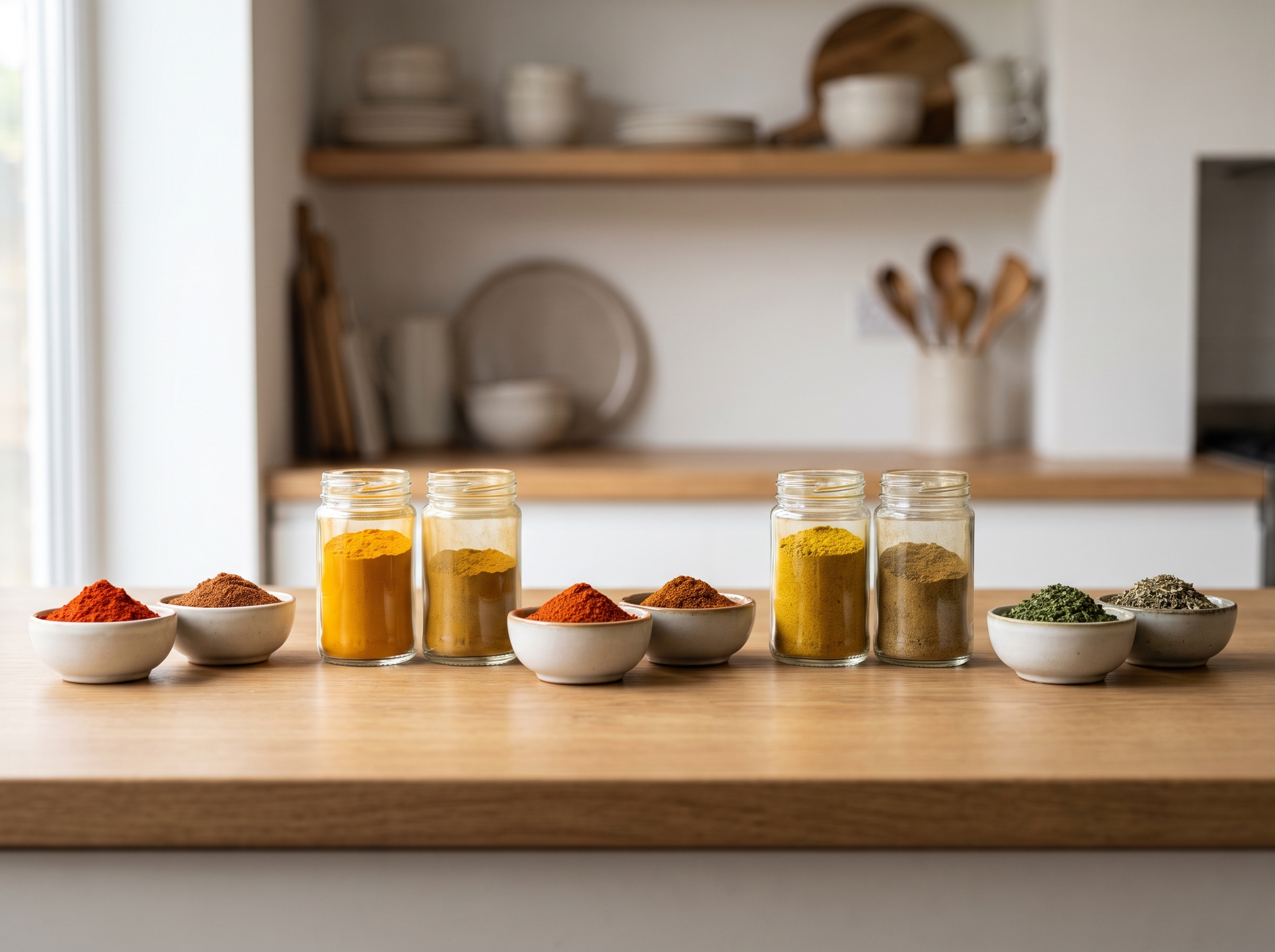
The Aroma Test

1. The Aroma Test

Smell is the most useful freshness test.

Open the container and smell the spice. If the aroma is not obvious, place a small amount in your palm and gently rub it with a finger.

For whole spices, crush one piece before smelling it.

A fresh spice should smell clearly like itself. The fragrance does not need to fill the room, but it should be easily recognisable.

Replace the spice when:

  • There is almost no aroma
  • It smells dusty or stale
  • The normal fragrance has been replaced by a musty smell
  • The aroma appears strange, sour or rancid
The Colour Test

2. The Colour Test

Colour is particularly helpful for spices such as:

Faded colour often indicates that light, heat or oxygen has affected the product.

Old paprika can change from a vivid red to a dull brick or brown colour. Green herbs may become grey-green or brown. Turmeric can lose some of its intense golden appearance.

Colour alone is not always enough to make a final decision. Natural spices can vary between harvests, and some ingredients are naturally muted. Compare the appearance with what you remember and combine the colour test with the aroma test.

The Taste Test

3. The Taste Test

When a spice looks and smells normal but you are still uncertain about its potency, taste a tiny amount.

Do not taste a product showing signs of mould, pest contamination, unusual moisture or a suspicious smell.

The taste should be recognisable and relatively immediate. Pepper should have heat, cinnamon should feel warm and sweet, and oregano should have a herbaceous bitterness.

A flat or dusty taste indicates that the spice is past its flavour peak.

Professional storage guidance also recommends using aroma, potency and vibrant colour as the main indicators of whether dried herbs and spices are still making a meaningful contribution to food.

Signs That Spices Should Be Discarded

Loss of aroma is mainly a quality problem. The following signs are more serious and mean the spice should normally be thrown away.

Visible mould

Visible mould

Mould may appear as fuzzy growth, unusual coloured patches or a coating that was not present when the product was purchased.

Do not remove only the visible part and use the rest. Discard the entire package.

Moisture inside the container

Moisture inside the container

Droplets, damp patches or a wet texture indicate that moisture has entered the packaging. This creates conditions in which deterioration and microbial growth become more likely.

Insects or webbing

Insects or webbing

Pantry pests can enter dried food products. Discard spices containing insects, larvae, eggs, web-like material or unexplained debris.

Check nearby flour, rice, pasta, nuts, tea and other dry ingredients because the problem may have spread.

An unusual or unpleasant odour

An unusual or unpleasant odour

A musty, rancid, sour or otherwise abnormal smell is different from simply having a weak aroma. Do not use the spice.

Damaged packaging

Damaged packaging

Discard a product when the container has cracked, the seal has failed or the contents may have been contaminated.

Contact with dirty or wet utensils

Contact with dirty or wet utensils

Avoid placing a wet spoon into a spice jar. If significant moisture or food residue has entered, it is safer to replace the product.

The Best Way to Store Spices

The best way to store spices is in tightly closed containers in a cool, dark and dry location.

A kitchen cupboard, pantry or drawer away from major appliances is usually ideal.

Good spice storage protects products from four main enemies:

  1. Air
  2. Heat
  3. Light
  4. Moisture

Agricultural extension guidance recommends tightly covered containers, dark storage away from sunlight and locations protected from heat and humidity.

Use airtight containers

Keep the original container closed properly after every use. When transferring spices into decorative jars, choose containers with secure lids.

A beautiful jar is not useful if it allows air and moisture to enter continuously.

Keep spices away from direct sunlight

A sunny windowsill is one of the worst places for colourful spices and dried herbs.

Light accelerates fading and can damage the aromatic compounds that give spices their flavour.

A drawer or closed cupboard provides better protection than an open shelf.

Keep them away from heat

Avoid storing spices:

  • Directly above the cooker
  • Beside the oven
  • Above a microwave
  • Near a heating vent
  • Next to a dishwasher
  • In a cupboard that becomes hot during cooking

The convenient shelf directly above the hob may be the easiest to reach, but it is rarely the best location for maintaining freshness.

Protect them from steam

Do not shake spices over steaming food. The steam can enter the container and cause clumping or moisture damage.

Measure the required amount away from the cooking area.

Use clean, dry utensils

Always use a clean, completely dry spoon when measuring spices from a jar.

Do not use the same spoon after it has touched raw meat, a wet sauce or another ingredient.

Storage Mistakes That Make Spices Lose Flavour

Even high-quality spices can become disappointing when stored incorrectly.

Keeping them beside the cooker

Heat from cooking repeatedly warms the jars, accelerating flavour loss.

Displaying clear jars in bright light

Transparent containers look attractive but expose the contents to light. Store them inside a cupboard or use opaque containers.

Leaving lids loose

An imperfect seal allows aromatic compounds to escape and humidity to enter.

Buying containers that are too large

Bulk purchasing only saves money when the spice will be used before its quality declines.

Buying a smaller amount more frequently is often better for delicate herbs, speciality blends and spices used only occasionally.

Topping up old jars

Do not pour a new spice on top of the remains of an older batch.

Empty and clean the container first. Make sure it is completely dry before refilling it, and label it with the new opening date.

Keeping duplicates in different cupboards

Duplicate jars make it difficult to rotate stock. You may continue opening a new jar while an older one remains forgotten at the back of a shelf.

Should Spices Be Kept in the Refrigerator?

Most dried herbs and spices do not need to be refrigerated.

A cool, dry cupboard is generally more practical because repeatedly moving a container between cold refrigeration and a warm kitchen can encourage condensation when the jar is opened.

Moisture is one of the main threats to dry spice quality. For everyday use, refrigeration may therefore create more problems than it solves.

Keep spices in the refrigerator only when:

  • The manufacturer specifically recommends it
  • You live in an extremely hot, humid environment
  • The product contains ingredients that require refrigeration
  • The container is genuinely airtight
  • You can prevent condensation from entering when it is opened

Ordinary ground spices, whole spices and dried herbs are usually better stored in a dark pantry or cupboard. Culinary storage guidance similarly recommends cool, dark and dry storage and generally discourages refrigerators where moisture may become a problem.

How to Organise and Rotate a Spice Collection

A well-organised collection makes it easier to use spices while they are still fresh.

Add the opening date

Write the month and year on the bottom of each jar when you open it.

The printed best-before date tells you about the unopened product, while your own label helps you remember how long the spice has been exposed to air.

Put older spices at the front

Use the same rotation system followed in professional food storage:

First in, first out.

Move older jars to the front and place new purchases behind them.

Group spices by how you cook

There is no single correct organisation method. Useful systems include:

  • Alphabetical order
  • Everyday spices
  • Herbs
  • Baking spices
  • Curry and international blends
  • BBQ and grill seasonings
  • Chilli and hot spices
  • Whole spices
  • Gourmet salts

Grouping products by cooking purpose can be more intuitive than alphabetical order, particularly when you frequently prepare the same type of food.

Keep everyday essentials within reach

Place frequently used products in the most accessible position. Less frequently used speciality spices can go on a separate shelf.

Review the collection twice a year

A practical time to check spices is:

  • At the beginning of the year
  • Before summer grilling season
  • Before autumn and winter cooking
  • Before festive baking

Smell each spice, clean the shelf and note which essentials should be replaced.

When Should Frequently Used Spices Be Replaced?

The printed date and general shelf-life table provide useful guidance, but frequency of use matters.

Replace a frequently used spice when it no longer delivers the expected result, even when it remains within its stated quality period.

For the best flavour, consider reviewing:

  • Open ground spices after approximately 12–18 months
  • Delicate dried herbs after approximately one year
  • BBQ rubs before each grilling season
  • Baking spices before autumn or festive baking
  • Curry blends when the aroma becomes noticeably flat
  • Whole spices after approximately three years

This does not mean that every product must automatically be discarded at these points. It means that they deserve a quick aroma, colour and taste check.

Five Spices Worth Replacing First

When you do not want to replace an entire spice collection at once, begin with the ingredients where freshness is most noticeable.

Paprika

1. Paprika

Paprika is often used for colour as well as flavour. An old paprika may look brown and add little beyond dry powder.

Fresh paprika should have a noticeable pepper aroma and a vivid colour. Smoked paprika should also retain a clear smoky character.

Ground Black Pepper

2. Ground Black Pepper

Pre-ground black pepper loses its fragrant citrus, pine and floral notes faster than whole peppercorns.

Replacing an old ground pepper—or switching to whole peppercorns and a mill—can improve almost every savoury meal.

Garlic Seasoning

3. Garlic Seasoning

Old garlic powder or granulated garlic can become flat, dusty or unpleasantly harsh.

Fresh garlic seasoning should smell immediately savoury and work across vegetables, meat, pasta, sauces, soups and marinades.

Curry Blends

4. Curry Blends

Curry powders and blends often contain numerous aromatic ingredients, such as cumin, coriander, turmeric, ginger, cardamom, chilli and fenugreek.

When their delicate notes fade, the blend can taste dominated by turmeric or bitterness rather than producing a balanced aroma.

Browse Spice Blends when replacing versatile curry, Mediterranean and international seasoning mixes.

Dried Oregano

5. Dried Oregano

Oregano is inexpensive, frequently used and noticeably better when fresh.

Old oregano often smells like dry leaves. Fresh dried oregano should have a strong Mediterranean fragrance when rubbed between your fingers.

Other Priorities: Cinnamon and BBQ Rubs

Cinnamon deserves early replacement when it is used regularly for baking, porridge, hot drinks or desserts. Ground cinnamon should smell sweet and warm as soon as the jar is opened.

BBQ rubs are also worth checking before grilling season. Their more complex flavour depends on numerous ground spices and herbs remaining balanced.

For additional ideas on building a useful core collection, read Essential Spices Every Kitchen Needs.

Refresh Your Spice Rack

Has your collection lost its aroma? Begin with a small group of versatile spices that can be used across numerous meals.

For less familiar flavours, browse Exotic Spices and discover peppers, chillies and aromatic blends inspired by cuisines from around the world.

Frequently Asked Questions

Can you use spices after their best-before date?

Spices can often be used after their best-before date when they have been stored correctly and show no signs of moisture, mould, pests, contamination or unusual odours.

The main question is whether they still provide enough flavour. Test the aroma, colour and taste before adding them to a recipe.

Can expired spices make you ill?

A dry spice that has simply lost its potency is different from a contaminated spice.

Discard any product showing mould, moisture, insects, damaged packaging or an abnormal smell. Always follow specific safety and storage instructions printed by the producer.

How can you tell if spices are too old?

Rub a small pinch between your fingers and smell it. If the aroma is weak, dusty or almost absent, the spice is past its flavour peak.

Also look for faded colour and test a very small amount when there are no signs of spoilage.

Do unopened spices expire?

Unopened spices still lose flavour eventually, but intact packaging slows exposure to air and moisture.

Check the best-before date, packaging condition and aroma after opening.

Do dried herbs expire?

Dried herbs gradually lose their colour and fragrance. They generally provide their best quality for approximately one to three years, although delicate herbs may fade sooner.

Do whole peppercorns expire?

Whole peppercorns can remain aromatic for several years when stored correctly. Crush one peppercorn to test it. A fresh peppercorn should release a strong peppery aroma.

Does cinnamon expire?

Ground cinnamon gradually loses its sweet, woody fragrance. Cinnamon sticks generally retain their aroma longer because they remain whole.

Replace cinnamon when it smells dusty, weak or only faintly sweet.

Does paprika expire?

Paprika loses both colour and flavour with age. Old paprika often looks dull or brown and produces little aroma when rubbed.

Do BBQ rubs expire?

BBQ rubs gradually become weaker and may lose their original balance. Salt can remain noticeable after paprika, garlic, herbs and other aromatic ingredients have faded.

Check opened rubs before every grilling season.

Can you make old spices stronger by adding more?

Adding more may increase basic intensity, but it cannot fully recreate the balanced aroma of a fresh spice.

Using a large quantity of stale seasoning can also introduce unwanted bitterness or a dusty texture.

Is it better to buy spices whole or ground?

Whole spices usually retain their flavour longer. Ground spices are more convenient and distribute easily through food.

A practical approach is to buy frequently used spices in ground form and less frequently used aromatic spices whole.

How often should you clean out a spice rack?

Review your spice collection approximately every six months. You do not need to discard everything, but you should check aroma, colour, packaging and opening dates.

Final Thoughts: Do Spices Expire?

So, do spices expire?

They do not usually change from fresh to unusable on one specific day. Instead, they gradually lose the aromatic oils, colour and flavour that make them valuable in cooking.

Whole spices generally stay fragrant longest. Ground spices fade faster, while dried herbs and complex seasoning blends may need more regular replacement.

Keep your spices:

  • Tightly sealed
  • Away from sunlight
  • Away from heat
  • Protected from moisture
  • Labelled with the opening date
  • Organised so older products are used first

Most importantly, trust your senses. A spice should smell, look and taste like the ingredient named on the jar.

If your spice rack no longer releases an inviting aroma when you open the cupboard, it may be time to replace the essentials.

Has your spice rack lost its aroma? Refresh the essentials with fragrant spices and ready-to-use blends from Leaf & Spice.

0